Tag: Germany
-
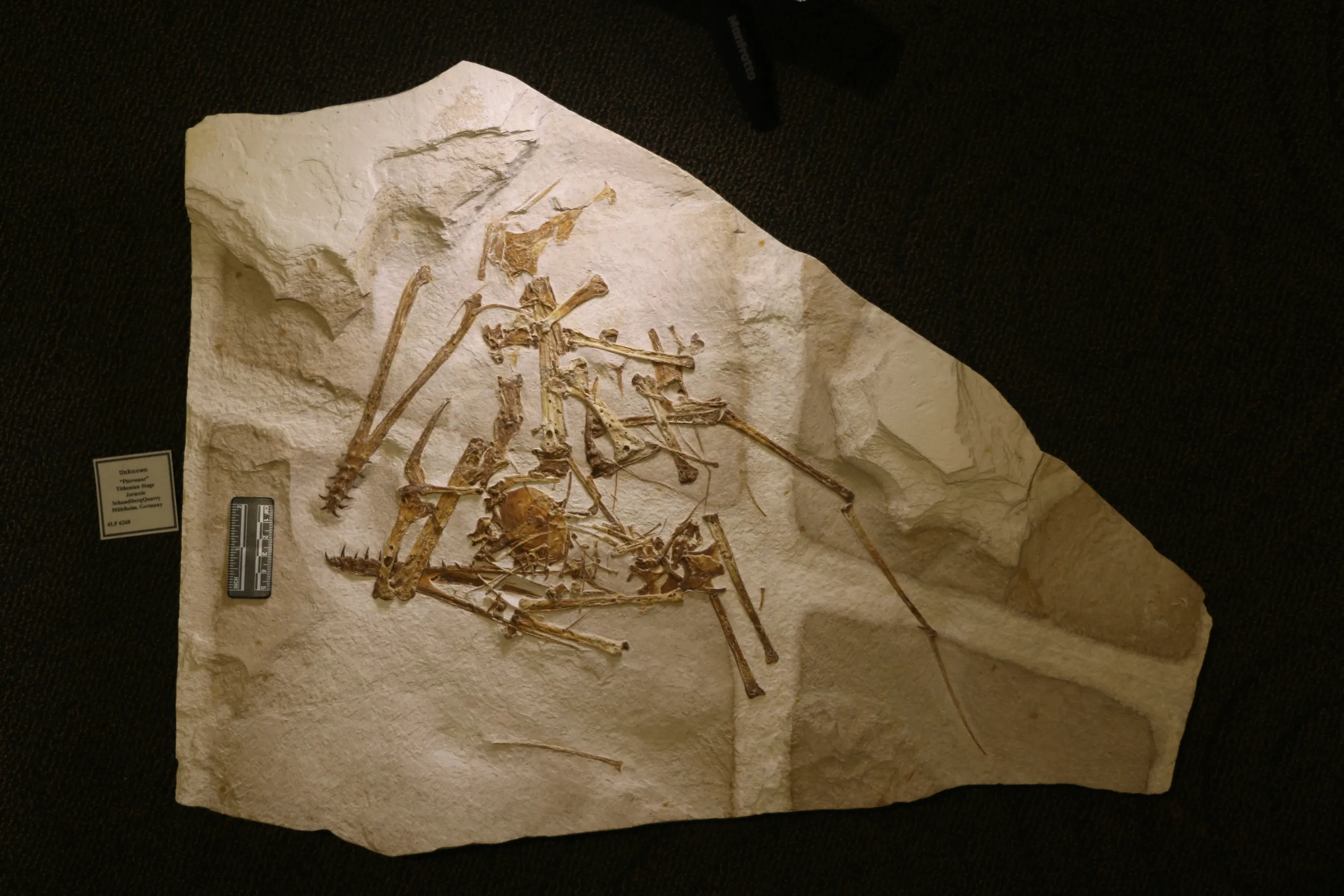
Introducing Laueropterus!
On his blog “Archosaur Musings”, David Hone has an excellent post about the newly described pterosaur Laueropterus, which was named for the Bruce and Rene’ Lauer of the Lauer Foundation. Bruce and Rene’ are long time ESCONI members. They do extraordinary work in Paleontology, Science, and Education. Their work and accomplishments have been featured many…
-
PBS Eons: Did Ancient Storms Kill These Pterosaurs?
PBS Eons has a new episode. This one is about the pterosaur diversity of the Solnhofen formation in Germany.
-

ScienceNews: The first cicada concert was 47 million years ago
ScienceNews has a story about the first cicada concert. Fossil cicadas from Messel Pit in Germany suggests the first singing cicadas date to the Eocene some 47 million years ago. The fossil of Eoplatypleura messelensis, was collected around 1986 and identified as a cicada in 1988. Unfortunately, the researchers didn’t realize it was the oldest singing…
-

This Dinosaur Had Feathers and Probably Flew Like a Chicken
The New York Times has an article about the Chicago Archaeopteryx. The Field Museum unveiled the its Archaeopteryx in the Spring of 2024. Since then, the fossil has been revealing its secrets… some of them were published recently in the journal Nature. Archaeopteryx specimens have, “maybe more than any other fossil, changed the way that…
-

Jurassic Sea Monster Resurfaces: Rare Fossil Unveils Secrets of Plesiosaur Evolution
SciTechDaily has a story about the discovery of a new plesiosaur in Gernany. The fossil specimen is a remarkably preserved Plesiopterys wildi from Holzmaden’s Posidonienschiefer Formation. It sheds light on the diversity of plesiosaurs during the early Jurassic Period about 180 million years ago. The research was published in the journal PeerJ Life and Environment.…
-
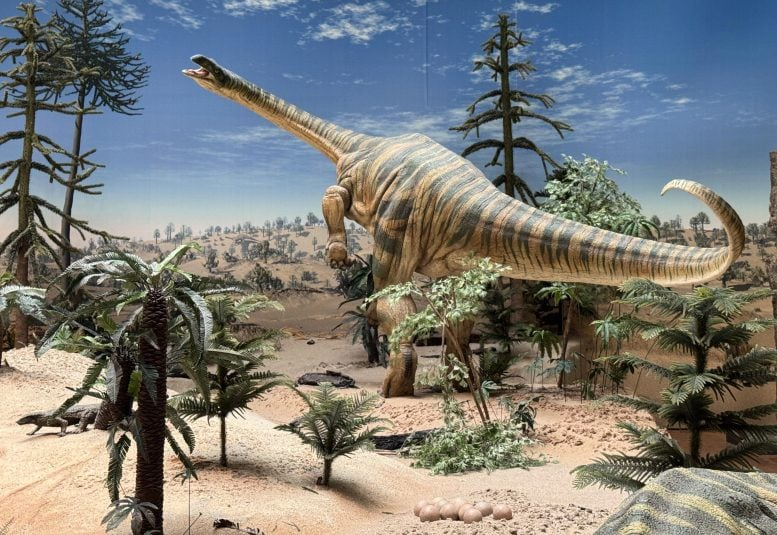
252-Million-Year-Old Fossils Reveal Secrets of Triassic Life
SciTechDaily has an article about a new survey of the Triassic fossils from Germany. Researchers found interesting correlations between fossil animals and their associated palaeoenvironments with implications for modern day consequences of climate change and biodiversity loss. The study “Triassic terrestrial tetrapod faunas of the Central European Basin, their stratigraphical distribution, and their palaeoenvironments” was…
-
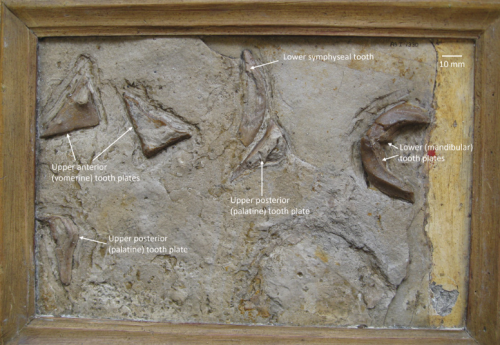
Chimaeropsis paradoxa Zittel, 1887 (Myriacanthoidei, Holocephali) from the Late Jurassic of Solnhofen
Bruce and Rene’ Lauer of the Lauer Foundation have co-authored another research paper, with lead author Christopher J. Duffin from the Natural History Museum in London – Department of Earth Sciences as the lead author. The study looked at Chimaeropsis paradoxa which is a holocephalian, a lesser-known group of ancient sharks. The paper was recently…
-

Fossils Preserve Both Skin and Scales from an Ancient Sea Monster
The New York Times’ Trilobites column has news of a breathtaking plesiosaur specimen. The animal lived about 183 million years ago during the Jurassic Period. The fossils were found in the legendary Posidonia Shale of southern Germany and excavated in from a quarry near Holzmaden in 1940. The specimen was prepared in 2020. At that…
-

Paleontologists Discover a New Pterosaur, Filling a Key Gap on the Evolutionary Timeline for These Flying Reptiles
Smithsonian Magazine has highlighted the recent discovery of Skiphosoura bavarica, a Jurassic pterosaur from Germany. This research was led by David Hone a paleontologist at Queen Mary University of London. Long-time ESCONI members Bruce and Rene’ Lauer were co-authors on the study. The paper was published in the journal Current Biology. The paper introduces a…
-

A new and large monofenestratan reveals the evolutionary transition to the pterodactyloid pterosaurs
Bruce and Rene Lauer have done it again… groundbreaking paleontological research. This time it’s a new pterosaur, Skiphosoura bavarica, from the Jurassic of Germany. The lead author is David Hone with Adam Fitch, Stefan Selzer, and the Lauers. The paper is Open Access and was published in the journal Current Biology.
-

Paleontologists find omnivorous ancestor of the giant panda, revealing it was not always just a bamboo eater
Phys.org has a nice summary of a new paper in the journal Papers in Palaeontology and Geobios, which sheds light on the ancestry of the giant panda. The fossils were found at the Hammerschmiede clay pit, a fossil site in southern Germany that dates to about 11.5 million years ago. Fossil teeth of Kretzoiarctos beatrix, which is…
-
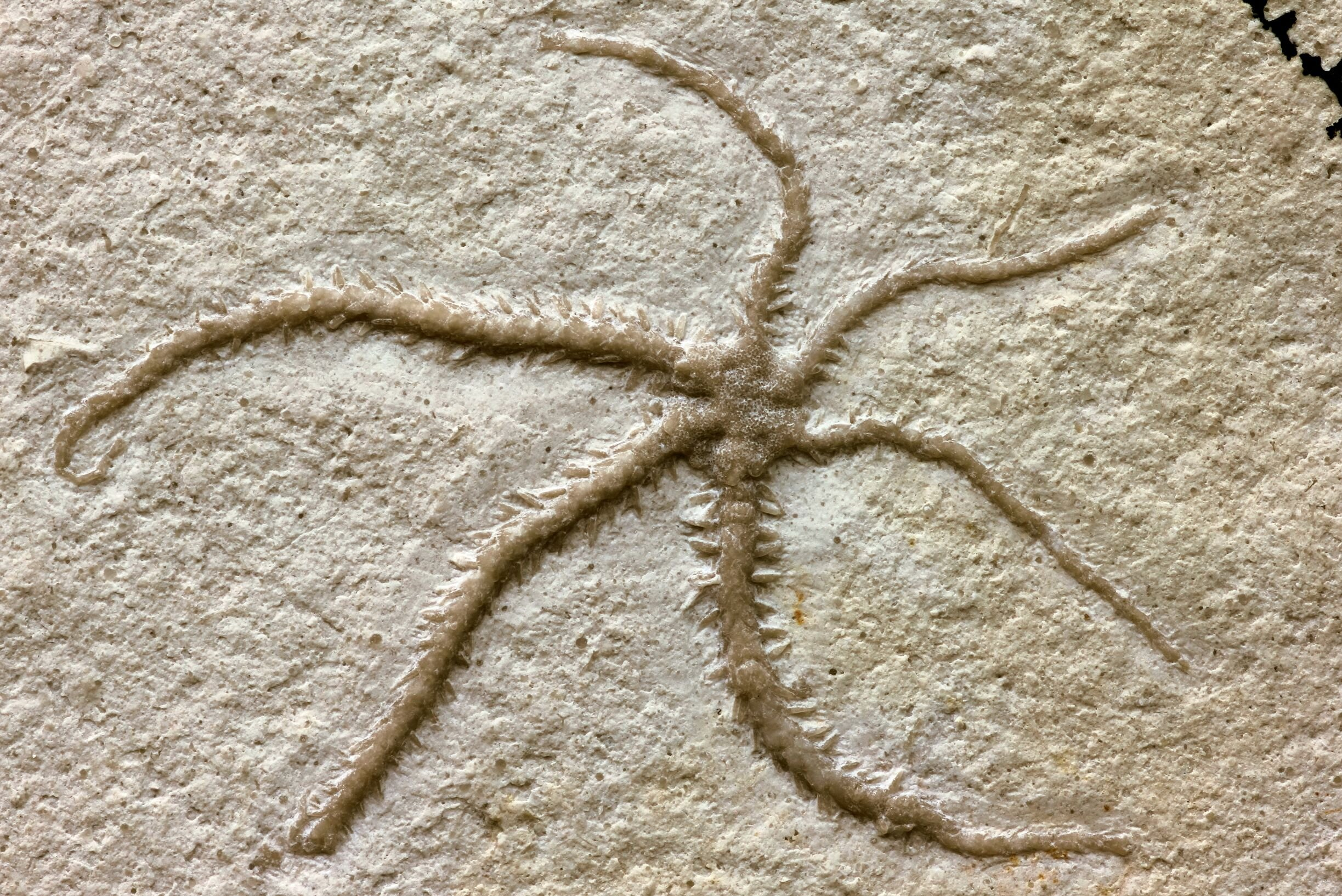
Fossil found in Germany shows starfish relative engaged in clonal fragmentation 150 million years ago
Phys.org has an article about starfish. In 2018, workers with the State Museum of Natural History Stuttgart discovered a brittle star fossil in a 150 million year old Jurassic limestone from a German deposit. The animal was named Ophiactis hex. It was preserved while in the process of regenerating three of its arms. Many species…
-
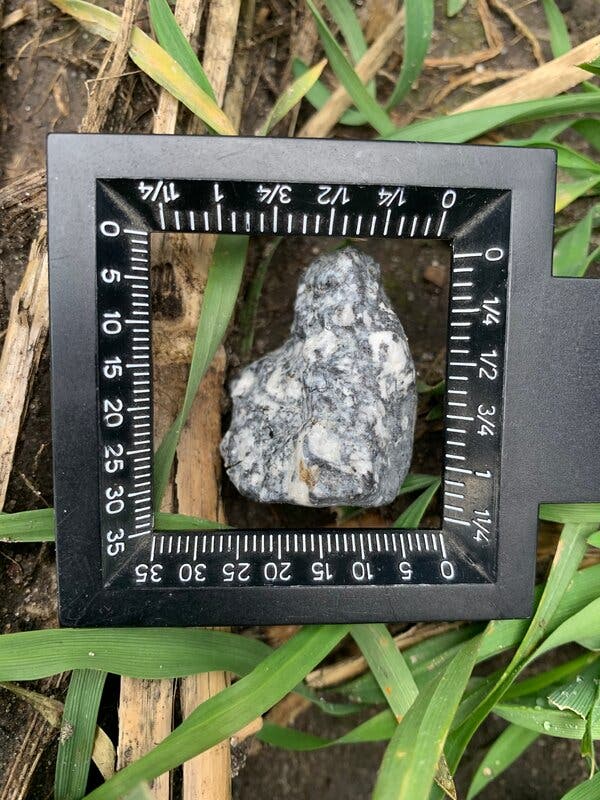
Fragments of Asteroid With Mystery Origin Are Found Outside Berlin
The New York Times has a story about a meteorite with mysterious origins. A little after midnight on January 21st, 2024, a small meteor struck the Earth at Ribbeck, a village just outside Berlin, Germany. There was no damage. The meteor, probably less than three feet in diameter, was first spotted by Krisztián Sárneczky, a…
-

Video for ESCONI Paleontology Meeting November 2023 – A Snapshot in Time: The Jurassic Lagerstätte of the Solnhofen Archipelago, Germany”
The presentation at the November 2023 Paleontology Meeting was given by Bruce and Rene Lauer. The title of the talk was “A Snapshot in Time: The Jurassic Lagerstätte of the Solnhofen Archipelago, Germany”. Bruce and Rene Lauer are founders and administrators of the Lauer Foundation for Paleontology, Science, and Education. The Lauer Foundation for Paleontology,…
-
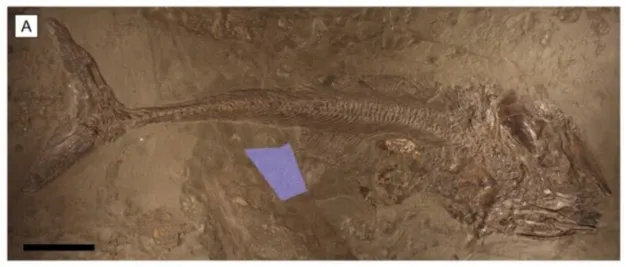
Fish’s big mistake preserved an unusual fossil for us
Ars Technica has a story about an interesting fish fossil. A fossil fish, Pachycormus macropterus, from Germany shows that even fish sometimes bite off more than they can eat… This particular fish fossil has a fossilized ammonite in its belly. The fossil was found in the Fischer Quarry in Zell unter Aichelberg, Germany and dates…
-
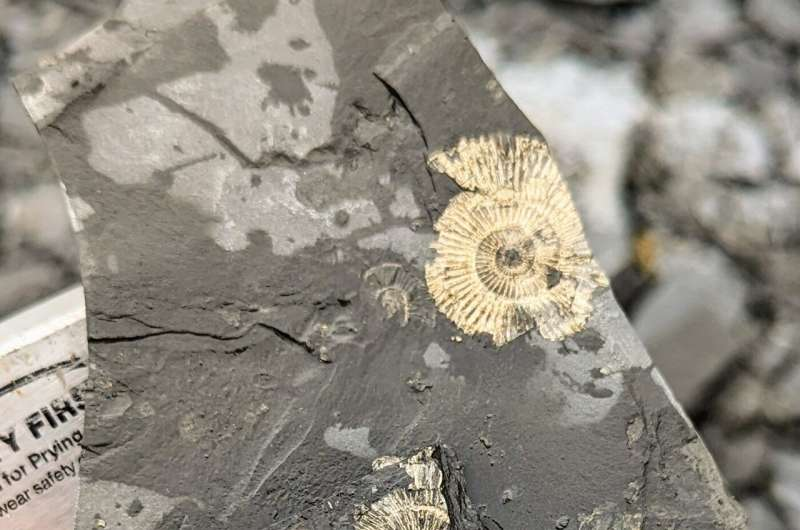
‘Golden’ fossils reveal origins of exceptional preservation
Phys.org has an article about “golden” fossils. Germany’s Posidonia shale, which dates to the early Jurassic, was thought to contain pyritized fossils of sea life. New research by a team at the University of Texas at Austin have found that the golden shine actually comes from phosphate minerals with yellow calcite. Additionally, the chemical composition…
-
2023 ESCONI Gem, Mineral, and Fossil Show – Preview #16!
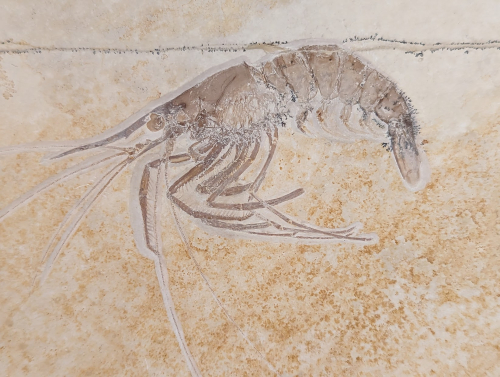
This is the preview post #16 for the 2023 ESCONI Gem, Mineral, and Fossil Show Live Auction. The ESCONI Gem, Mineral, and Fossil Show for 2023 will be held on March 18th and 19th at the DuPage Fairgrounds in Wheaton, IL, which is the same location as last year. All details can be found here.…
-
The Oldest Airborne Vertebrate Animal Was a Reptile With ‘Weird’ Wings
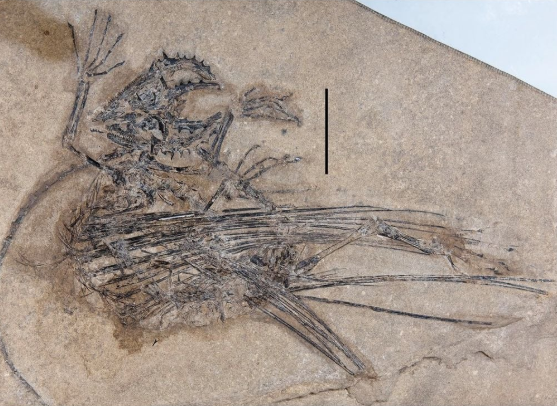
Smithsonian Magazine has a story about the first flying vertebrate. The fossil of Weigeltisaurus jaekeli was found in 1992 in Germany. It lived during the Permian Period over 250 million years ago. A new full analysis of the specimen was recently published in the journal PeerJ. Where the researchers theorize that the bony rods supported…
-
Phys.org: Fossil of ancient squid eating a crustacean while being eaten by an ancient shark
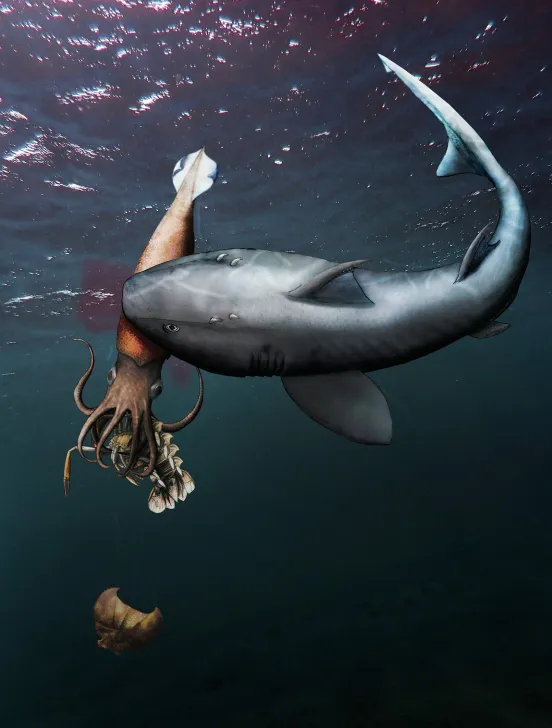
Phys.org has a story about a very strange and rare fossil. It’s sort of the turducken of the fossil world. In this case, researchers described a fossil, which dates to the Jurassic Period about 180 million years ago, of a belemnite eating a crustacean, which was in turn being eaten by a shark. The description…
-

NatGeo: This small dinosaur had a marvelous sense of touch, detailed fossils reveal
National Geographic has a story about Juravenator starki. This animal lived about 150 million years ago, during the Jurassic Period, in what is now Germany. A new paper, in the journal Current Biology, proposes that it might have used sensory scales on its tail to sense fish when it foraged at night. A CHICKEN-SIZE DINOSAUR that lived in what is now…
-
Smithsonian: Pterosaur Tooth Found in Rare Ancient Squid Fossil
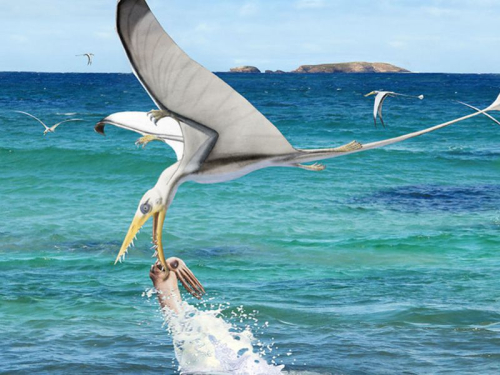
Smithsonian.com has a story about a unique fossil find. About 150 million years ago, there was a hungry pterosaur looking for a meal. It saw an appetizing cephalopod and went for it. Unfortunately, we don’t know if it ate that day, but we do know that this particular bit of calamari got away. The fossil…
-

Did a million years of rain jump-start dinosaur evolution?
Nature has an interesting post about a spell of wet weather in the middle Triassic that may have spurred the evolution of the dinosaurs. This wet spell occurred for about a million years about 232 million years ago. The evidence for the very wet period (pluvial episode) is contained in Triassic rocks from the Carnian…
-

Happy Birthday, John Ostrom – The man who saved the dinosaurs!
For 30 years, Ostrom steadily and meticulously refuted critics of his theories. He is shown here in the Yale Peabody Museum, near a Deinonychus in mid-leap. Deinonychus in full sprint, as drawn by Robert Bakker ’67—a student of Ostrom’s and a crusader for the view that dinosaurs were active, dynamic animals. The drawing appeared in Ostrom’s 1969 paper…
-
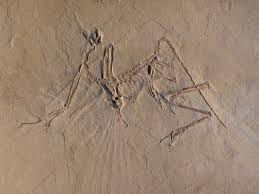
Intriguing German Fossil Could Be an Entirely New Species of Archaeopteryx
Gizmodo has a story about a new study which proposes a new species of Archaeopteryx. The 8th specimen, discovered in 2009, is described as Archaeopterxy albersdoerferi, separate from the other two Archaeopteryx species – Archaeopteryx lithographica or Archaeopteryx siemensii. The study was published in Historical Biology. Archaeopteryx is one of the most intriguing dinosaurs in…
-
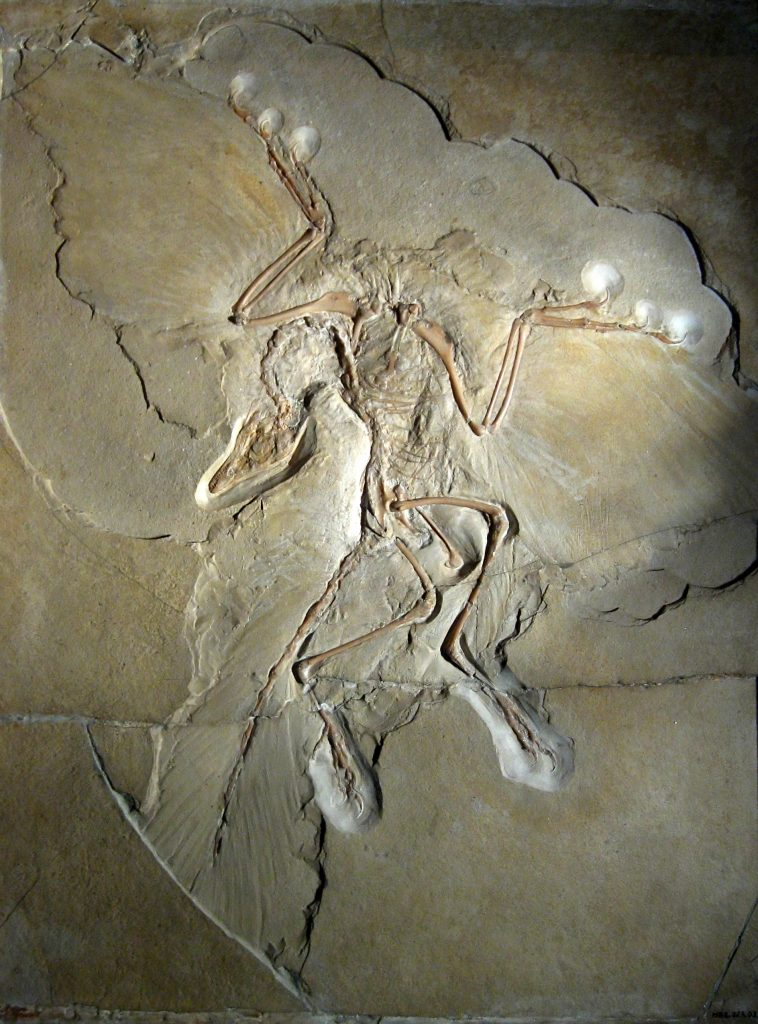
Palaeocast Episode 87: Archaeopteryx
Palaeocast episode 87 is about Archaeopteryx. Archaeopteryx lived about 150 million years ago, during the Jurassic Period, in what is now southern Germany. Including the first feather, discovered in 1860 or 1861, there are now twelve specimens. All have been found in the limestone deposits near Solnhofen, Germany. The iconic “Berlin” specimen shown above was…
-

Boy Hit By Meteorite
German boy sees light, feels burn as pea sized meteorite bounces off his hand, gets knocked down, stands up and sees foot wide crater next to him… he couldn’t hear so well for awhile but lives to tell about it…. Update: It may be a hoax… the Bad Astronomy blog argues both ways and some…

