Tag: Europe
-

A Day at the Beach Hunting Mammoths
The New York Times has an interesting story about “citizen paleontologists” in the Netherlands. The beaches around Rotterdam’s port, the largest harbor in Europe, are loaded in Pleistocene fossils from the dredging of the North Sea floor. The beach where van den Berg was hunting, called Maasvlakte 2, is a particularly popular destination for fossil…
-
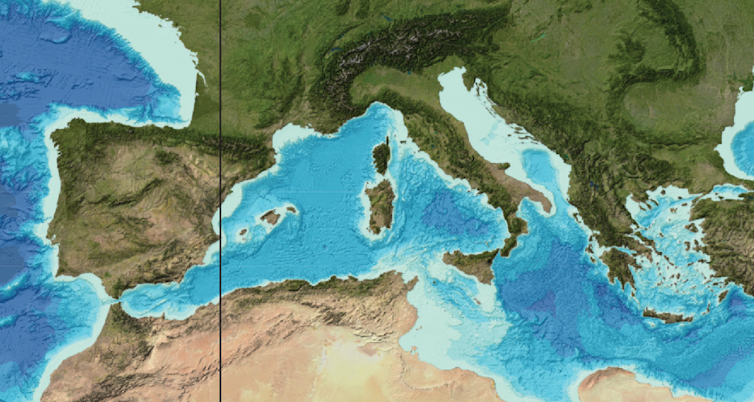
The largest flood in Earth’s history burst through Gibraltar and Sicily and refilled the entire Mediterranean in just a few years
The Conversation has an article about the mother of all floods… the flooding of the Mediterranean about 5 million years ago. The Atlantic Ocean seeped it’s way through Strait of Gibraltar, which was blocked by the movement of tectonic plates. This caused the Mediterranean Sea to dry up and led to the formation of large…
-

PBS Eons: Life and Death on Tiny-Dino Island
PBS Eons has another episode of their long form video series "Surviving Deep Time" This time they go to Hațeg island during the late Cretaceous. The domain of Hatzegopteryx thambema, the huge azhdarchid pterosaur. Could you survive? There was an island in the Late Cretaceous Period in the fragmented European archipelago that turned out to be…
-
Oldest Human Genomes Reveal How a Small Group Burst Out of Africa
The New York Times’ Origins column has an article about a group of early humans. Around 45,000 years ago, a small group of people, likely fewer than 1,000, lived on the icy edges of Europe, hunting large game such as woolly rhinoceroses. This group is identified as the LRJ culture. They are believed to have…
-
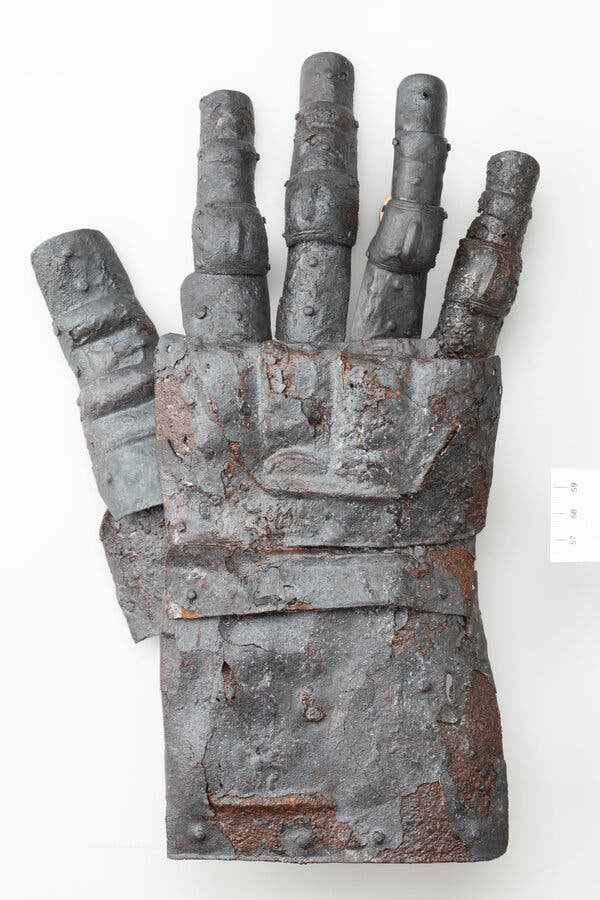
A Stunningly Well-Preserved 600-Year-Old Gauntlet Is Found in Switzerland
The New York Times has an article about the discovery of medieval armor in Switzerland. The stunningly preserved gauntlet dates to the 14th century. It was found near Kyburg Castle, northeast of Zurich. Excavators made the discovery in 2022 prior to construction work that would have destroyed any artifacts at the site, which was a…
-
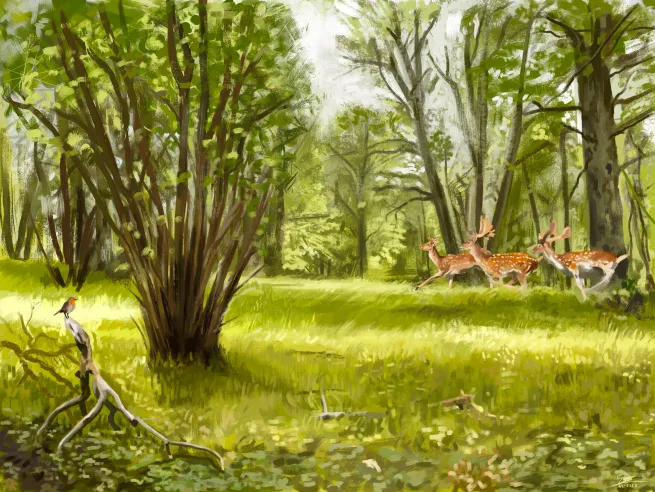
New study shows ancient Europe was not all forest, half was covered in grassland
Palaeoartistic reconstructions of Last Interglacial landscapes in the European temperate forest biome, consistent with our pollen-based estimates of vegetation structure. Credit: Brennan Stokkermans Phys.org has a story about ancient Europe. A recent paper in the journal Science Advances looked at pollen samples from various sites across Europe to determine the distribution of plants during the…
-
PBS Eons: Did a Tsunami Swallow Part of Europe?
PBS Eons has a new video on Youtube. This one is about the England…what happened to Doggerland? What was it and how did it disappear? What happened to the piece of prime prehistoric real estate known as Doggerland? While a massive megatsunami might have drowned it for good, the underlying reason that it now lies…
-
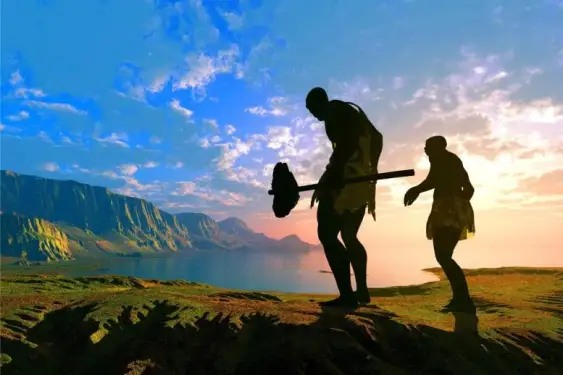
Prehistoric Surprise: Ancient Footprints Reveal the Presence of Man in Spain 200,000 Years Earlier Than Thought
SciTechDaily has a story about the discovery of some very old footprints. The footprints were found in Spain in 2020. They were thought to date to about 106,000 year old ago and to probably be of Neanderthal origin. Now, Jorge Rivera, a researcher and technician from the University of Seville’s GRS Radioisotopes department has found…
-
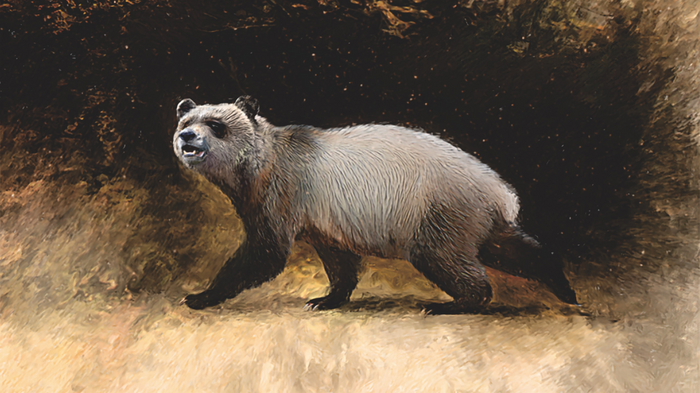
Europe’s last pandas were giant weaklings who couldn’t even eat bamboo
LiveScience has a story about European pandas. A new species of panda from Bulgaria called Agriarctos nikolovi lived about 10 million years ago. The fossil teeth show it had a vegetarian diet and would likely have struggled to eat bambo which is the main food of modern giant pandas, Ailuropoda melanoleuca. The research was published…
-
PBS Eons: Why Male Mammoths Lost the Game
There’s a new episode of PBS Eons. This one is about male mammoths and their dangerous and mostly solitary existence. Woolly mammoths, our favorite ice age proboscidean, disappeared from Europe and North America at the end of the last ice age, about 10,000 years ago. Today, we’ve teamed up with TierZoo to solve one…
-
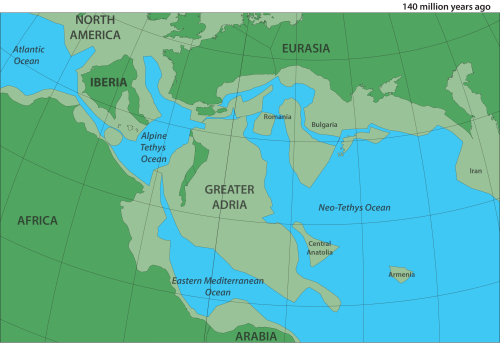
ScienceMag: Geologists uncover history of lost continent buried beneath Europe
Science Magazine has a piece about the discovery of a lost continent under Europe. Plate tectonics has done much to reshape the surface of our planet over the last 4+ billion of years. It has created and destroyed super continents multiple time. And, most likely, it has erased large landmasses in the process of remolding…
-
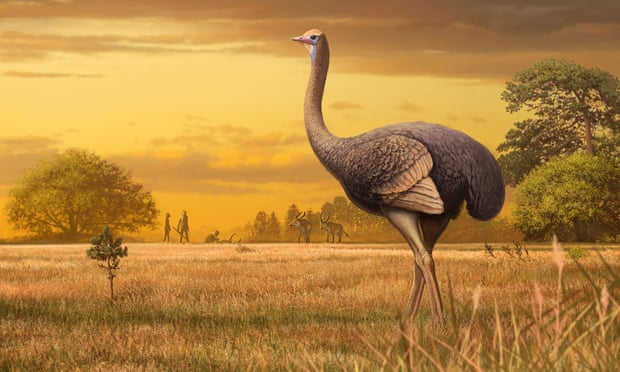
Half-tonne birds may have roamed Europe at same time as humans
The Guardian has a post about large flightless bird that might have roamed Europe at the same time. Researchers discovered the fossilized thigh bone of a giant bird in a cave on the Crimean peninsula. It belonged to an animal called Pachystruthio dmanisensis, which lived between 1.5 and 1.6 million years ago. This bone and…

