Tag: England
-

Archaeologists Find Oldest Evidence of Fire-Making
In his New York Times column, Carl Zimmer discusses evidence for the oldest usage of fire-making. A paper published in the journal Nature, reports that a group of Neanderthals used flint and pyrite to make fires about 400,000 years ago in what is now eastern England. This was something they did repeatedly over the course…
-
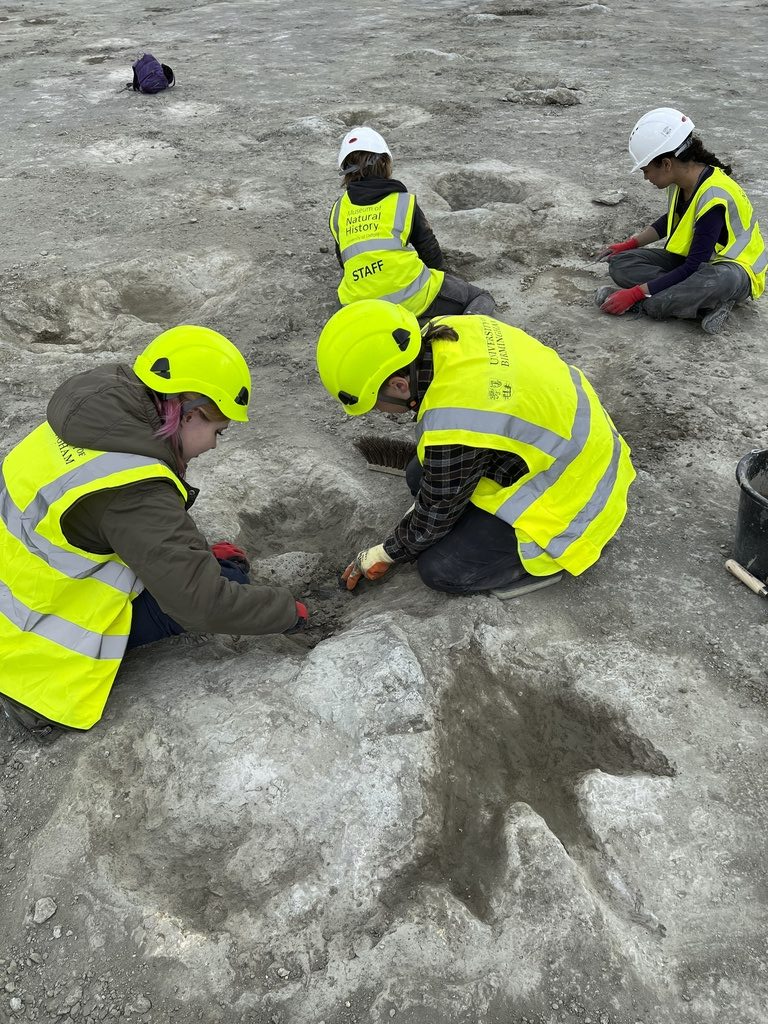
‘Dinosaur highway’ dating back 166 million years discovered in England
PBS News has a story about the discovery of a special dinosaur trackway in England. While digging up clay in a imestone quarry in southern England, a worker found nearly 200 dinosaur tracks that date to the Jurassic Period about 166 million years ago. There are four sets of sauropod tracks, thought to be Cetiosaurus…
-

Triassic Lizard-Like Parareptile Had Unusual Dental Apparatus
SciNews brings news of a new fossil parareptile from southwest England. Threordatoth chasmatos lived between 220 and 210 million years ago in the Triassic Period. It was discovered in Cromhall Quarry in south Gloucestershire, southwest England. The animal is a member of the Leptopleuroninae, a subfamily of extinct lizard-like parareptiles within the clade Procolophonidae. These animals…
-

BBC: Fossil festival returns to home of Mary Anning
The BBC has a story about the Fossil Festival in Lyme Regis. Lyme Regis has been hosting the event since 2005. The event features talks, shows, walks, exhibitions, interactive displays as well as a film about Mary Anning. Top fossil hunters and palaeontological experts are gathering for an annual fossil festival on the Dorset Coast. The…
-
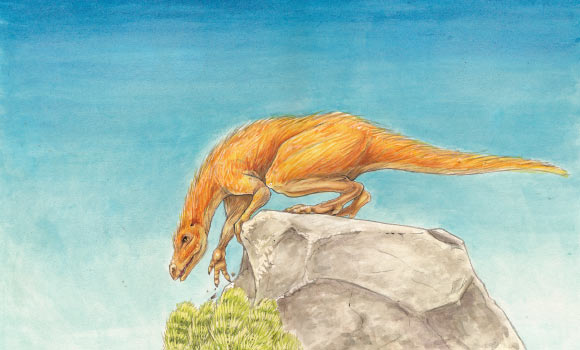
New Species of Jurassic Theropod Dinosaur Identified in England
SciNews brings word of a new dinosaur discovered in England. Dornraptor normani lived about 200 million years ago in the early Jurassic Period, near what is now Dorset, England. The animal belongs to a group called the averostrans, which includes most theropod dinosaurs. The discovery was published in the paper “A new name for old…
-

390 million-year-old fossilized forest is the oldest ever discovered
LiveScience has a story about the discovery of a very old fossil forest. Found in southwestern England, this ancient forest dates to around 390 million years ago, during the Devonian Period. That makes it the oldest known fossil forest, about 4 million years older than the Gilboa fossil forest in New York. A description of the…
-

PBS Eons: Did a Tsunami Swallow Part of Europe?
PBS Eons has a new video on Youtube. This one is about the England…what happened to Doggerland? What was it and how did it disappear? What happened to the piece of prime prehistoric real estate known as Doggerland? While a massive megatsunami might have drowned it for good, the underlying reason that it now lies…
-
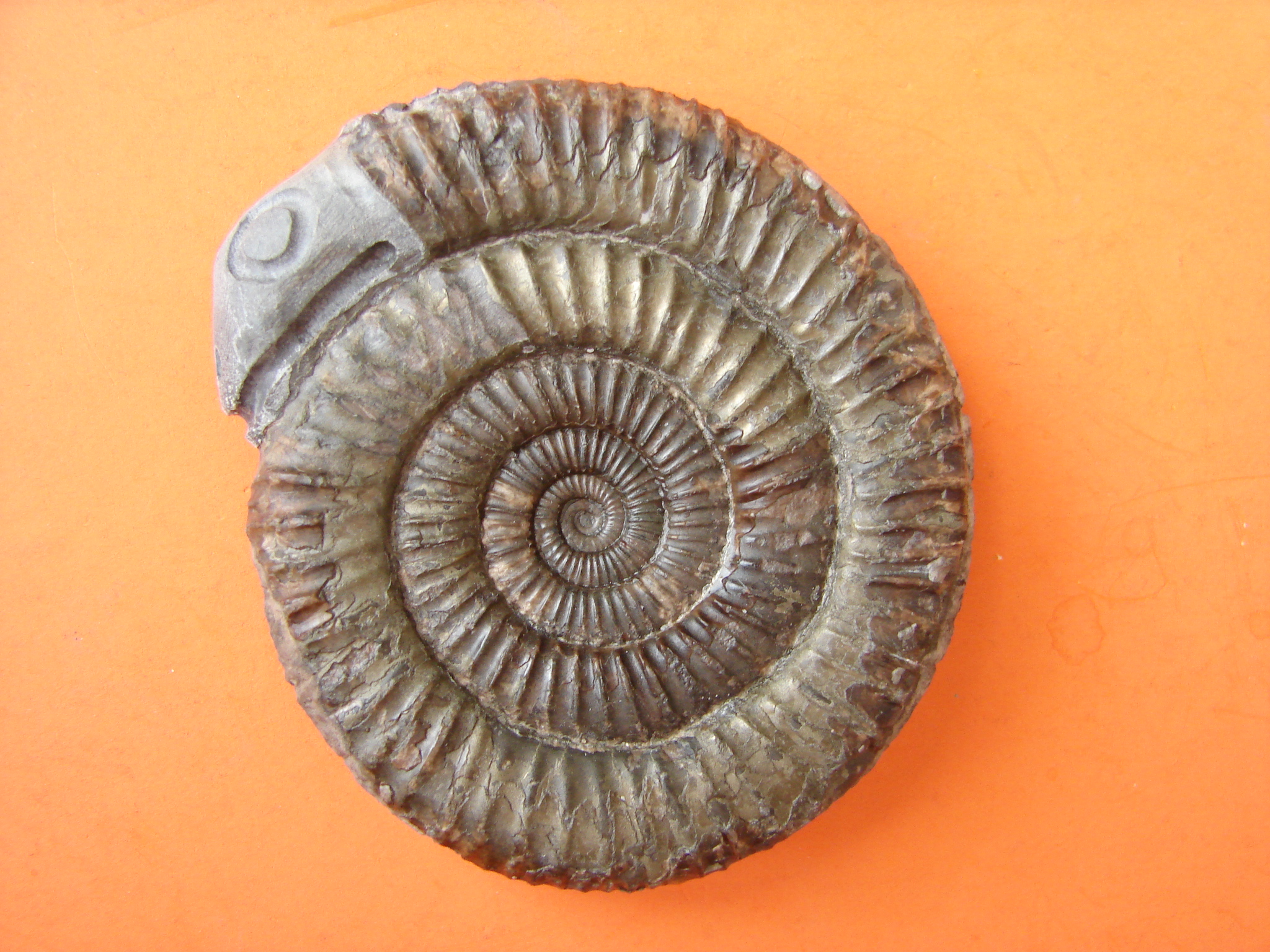
Fossil Friday #144: Snakestone from England
This is the “Fossil Friday” post #144. Expect this to be a somewhat regular feature of the website. We will post any fossil pictures you send in to esconi.info@gmail.com. Please include a short description or story. Check the #FossilFriday Twitter hash tag for contributions from around the world! Ammonites are extinct cephalopods molluscs, related to…
-
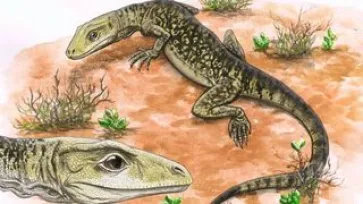
Ancient lizard with teeth like butcher knives ‘re-calibrates the whole shebang’ of reptile evolution
LiveScience has a story about a new lizard from the Triassic. Cryptovaranoides microlanius dates to about 202 million years, which makes it the oldest lizard fossil known by about 35 million years. It was discovered in 1950’s near Britol, England and had been incorrectly described as Clevosaurus. The animal was redescribed recently in the journal Science Advances. For the new study, researchers analyzed…
-
PBS Eons: When Giant Millipedes Reigned
PBS Eons has a new episode. This one is about the giant millipede Arthropleura, which lived during the Carboniferous Period. Arthropleura fossils are rare and this is one of the largest and the oldest. This giant millipede was the largest known invertebrate to ever live on land. So how did it get so big??
-
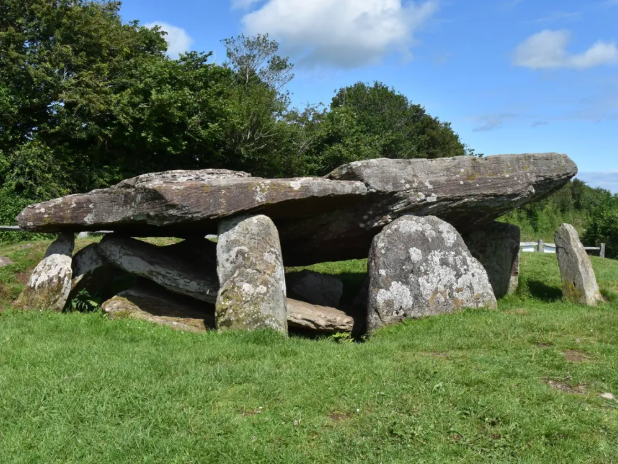
Archaeologists Begin First-Ever Excavation of Tomb Linked to King Arthur
Smithsonian Magazine has an interesting article about Arthur’s Stone. Researchers hope to find clues to who used the chambered tomb, was it the actual Neolithic Britons? According to popular lore, Arthur’s Stone, a roughly 5,000-year-old tomb in the West Midlands of England, boasts ties to King Arthur, the mythical leader of Camelot. One legend holds that Arthur found…
-

Between a Rock and a Hard Place
The Field Museum has an interesting post about Mary Anning. There’s a good summary about her life, her work, and her accomplishments and contributions to paleontology when women couldn’t really participate. Even today, she is inspiring to many of the many talented women in science. It’s quite a testament to her life and achievements that,…
-
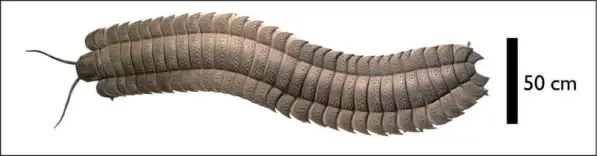
How we discovered a rare giant millipede fossil on a beach, and why it matters
This story on phys.org tell the story about the discovery of a giant millipede, Arthropleura in Engand in January 2018.. The original story describing the 326 million year old millipede fossil appeared back in December 2021. The animal was about 2.7 meters long (nearly 9 feet!). It lived during the Carboniferous Period in what is…
-
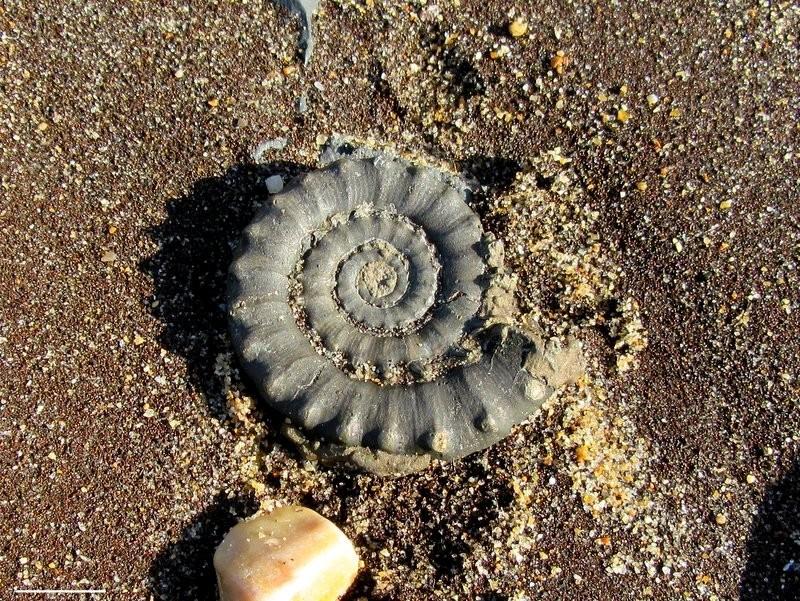
Fossil Friday #93: Pyritized ammonite fossils from the Jurassic Coast in England
This is the “Fossil Friday” post #93. Expect this to be a somewhat regular feature of the website. We will post any fossil pictures you send in to esconi.info@gmail.com. Please include a short description or story. Check the #FossilFriday Twitter hash tag for contributions from around the world! For this week, we have a tale…
-
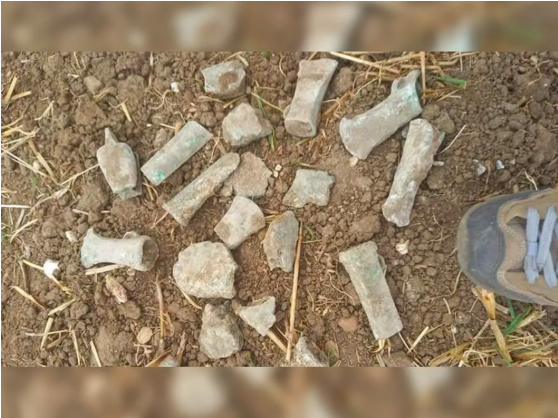
British Teenager Discovers Rare Bronze Age Ax Hoard
The Cool Finds column blog at Smithsonian Magazine has a story about the discovery of Bronze Age axes. Milly Hardwick, a 13-year-old from Suffolk, stumbled onto a cache of 65 artifacts dated to around 1300 B.C.E, while on a metal detecting outing. Milly Hardwick was searching for buried treasure in a field in Hertfordshire, England,…
-
Paleontologists Unearth New Species of Iguanodontian Dinosaur
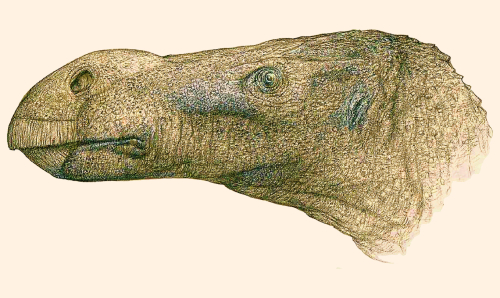
SciNews has a story about a newly-identified dinosaur. Named Brightstoneus simmondsi, the animal lived about 127 million years ago during the early Cretaceous Period in what is now the Isle of Wight. It weighted about 900 kg (1980 lbs) and measured about 8 meters (26 feet) long. The description was published in the journal Systematic…
-
Smithsonian: Amateur Fossil Hunter Discovers New ‘Sea Dragon’ Species on British Beach
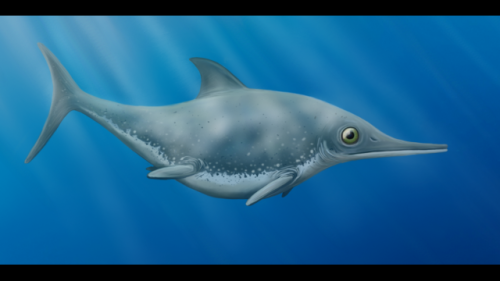
Smithsonian Magazine has a story about the discovery of a new Ichthyosaur in England. The animal, called Thalassodraco etchesi “Sea Dragon”, was discovered on the beach near Dorset, England. It lived about 150 million years ago during the late Jurassic Period. The species name etchesi is for the discoverer Steve Etches. A paper published in…
-

Mazon Monday #23: Interesting Pennsylvanian Fossil Sites: Crock Hey, Lancashire, UK
This is Mazon Monday post #23. What’s your favorite Mazon Creek fossil? Tell us at email:esconi.info@gmail.com. In Mazon Monday #10, we discussed localities where siderite preservation of Pennsylvanian fossils has been found. There were a few localities listed. Here is more information about the site called Crock Hey (also Crockhey). This site was located near Lancashire in…
-
Fossil Friday #2: Whitby Ammonites
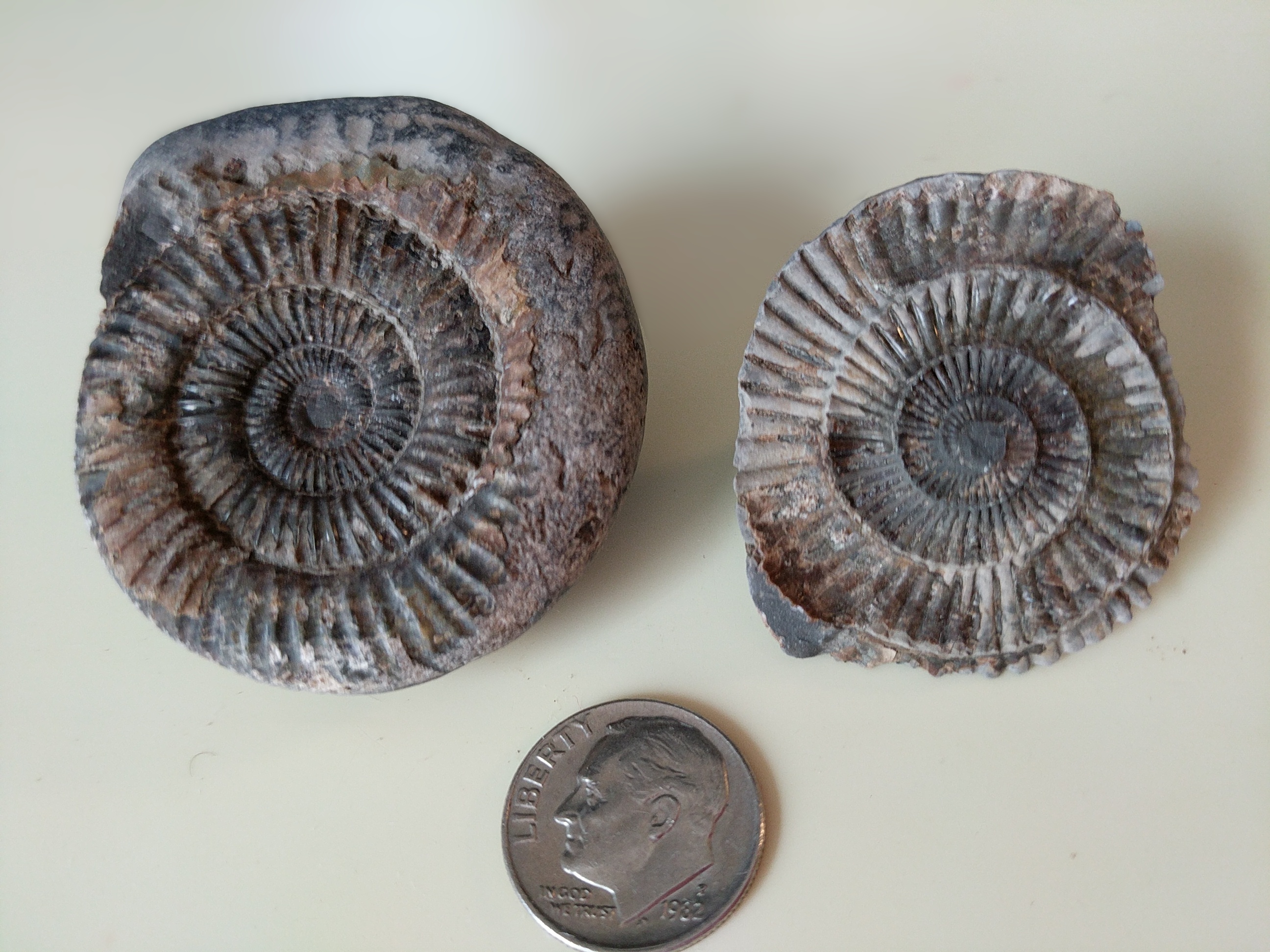
This is the “Fossil Friday” post #2. Expect this to be a somewhat regular feature of the website. We will post any fossil pictures you send in to esconi.info@gmail.com. Please include a short description or story. Check the #FossilFriday Twitter hash tag for contributions from around the world! The following pictures are from Whitby, which…
-
Mary Anning: A hunt without a kill
Cosmos Magazine has a post about Mary Anning. Mary died on March 9th, 1847 at the age of 47. She made important contributions to paleontology back in the early 1800s. She was a very interesting person who found some of the first Ichthyosaurs, Plesiosaurs, and pterosaurs. There are a few biographies of her life (The…
-
Reminder: ESCONI October Paleontology Study Group Meeting October 19th, 2019 – Waves, Winds, and Tides: Fossil Collecting on the West Dorset Coast of Southern England
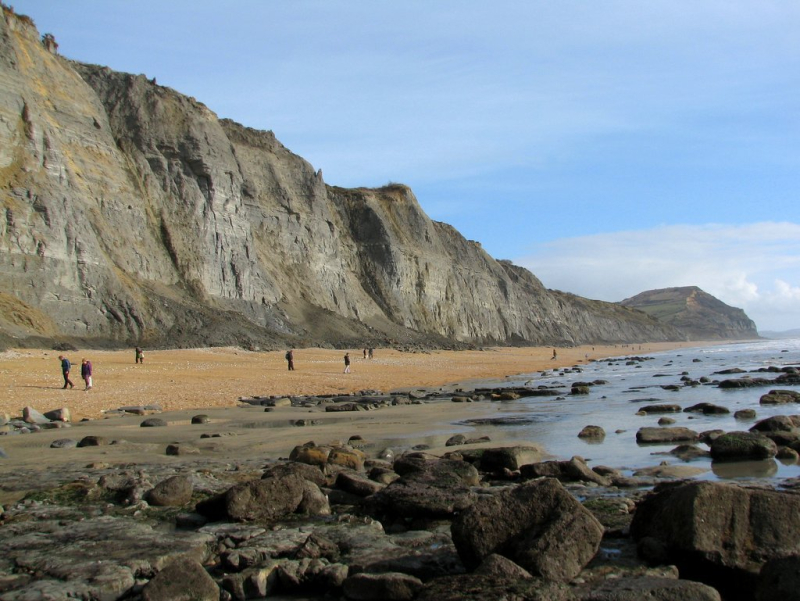
Waves, Winds, and Tides: Fossil Collecting on the West Dorset Coast of Southern England. Presentation by: Andrew Young, with Marie Angkuw, Jann Bergsten, Rhonda Gates, and Deborah Lovely. For the last several years, a group of ESCONI members have traveled to England in winter to collect fossils on its famous Jurassic Coast. Contrary to the…
-
ESCONI October Paleontology Study Group Meeting October 19th, 2019 – Waves, Winds, and Tides: Fossil Collecting on the West Dorset Coast of Southern England
Waves, Winds, and Tides: Fossil Collecting on the West Dorset Coast of Southern England. Presentation by: Andrew Young, with Marie Angkuw, Jann Bergsten, Rhonda Gates, and Deborah Lovely. For the last several years, a group of ESCONI members have traveled to England in winter to collect fossils on its famous Jurassic Coast. Contrary to the…
-

Reminder: ESCONI Paleontology Meeting: Saturday, June 16th, 2018 – Jurassic Treasures Revealed
Jurassic Treasures Revealed Collecting along the Black Ven of Lyme Regis and beneath the cliffs of neighboring Charmouth, England Enjoy a slide presentation as four ESCONI members share their recent fossil collecting experiences and discoveries along southern England’s Jurassic Coast. If a trip to this part of the world is on your bucket list, learn some tips on what…
-
Lyme Regis Presentation Announcement for Paleo Group meeting, April 15th, 2017
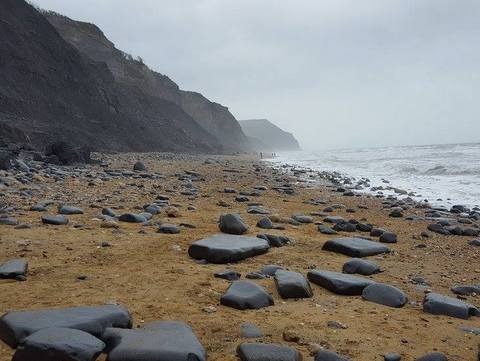
ESCONI Presentation – Saturday, April 15, 2017Paleontology Study Group Meeting – 7:30 PM College of Dupage – Tech Ed (TEC) Building, Room 1038B In the Footsteps of Mary Anning: Collecting England’s Jurassic Coast.This past February, five ESCONI Women took to the beaches of Lyme Regis and Charmouth of famed Dorset County where Mary Anning made…
-
English Fossil Auction Coming June 2
From Skinner Auctions: The Natural History collection featured in the June Science, Technology & Clocks auction comprises over 125 lots of ancient history, including complete dinosaur skeletons, eggs and other bone fragments, a wooly mammoth tusk, fossilized fish, shark’s teeth, a sea scorpion, ammonites, trilobites, crinoids and more. Many lots of classic Jurassic fossils from…

