Tag: DNA
-

PBS Eons: When a Tiny Land Bridge Triggered an Ice Age
There’s a new episode of PBS Eons. This one is about the origin of Panama and how it changed the world. On land, the Isthmus of Panama kicked off possibly the greatest natural experiment in the history of life on Earth. In the water, this narrow strip of land did something completely different: it divided.…
-
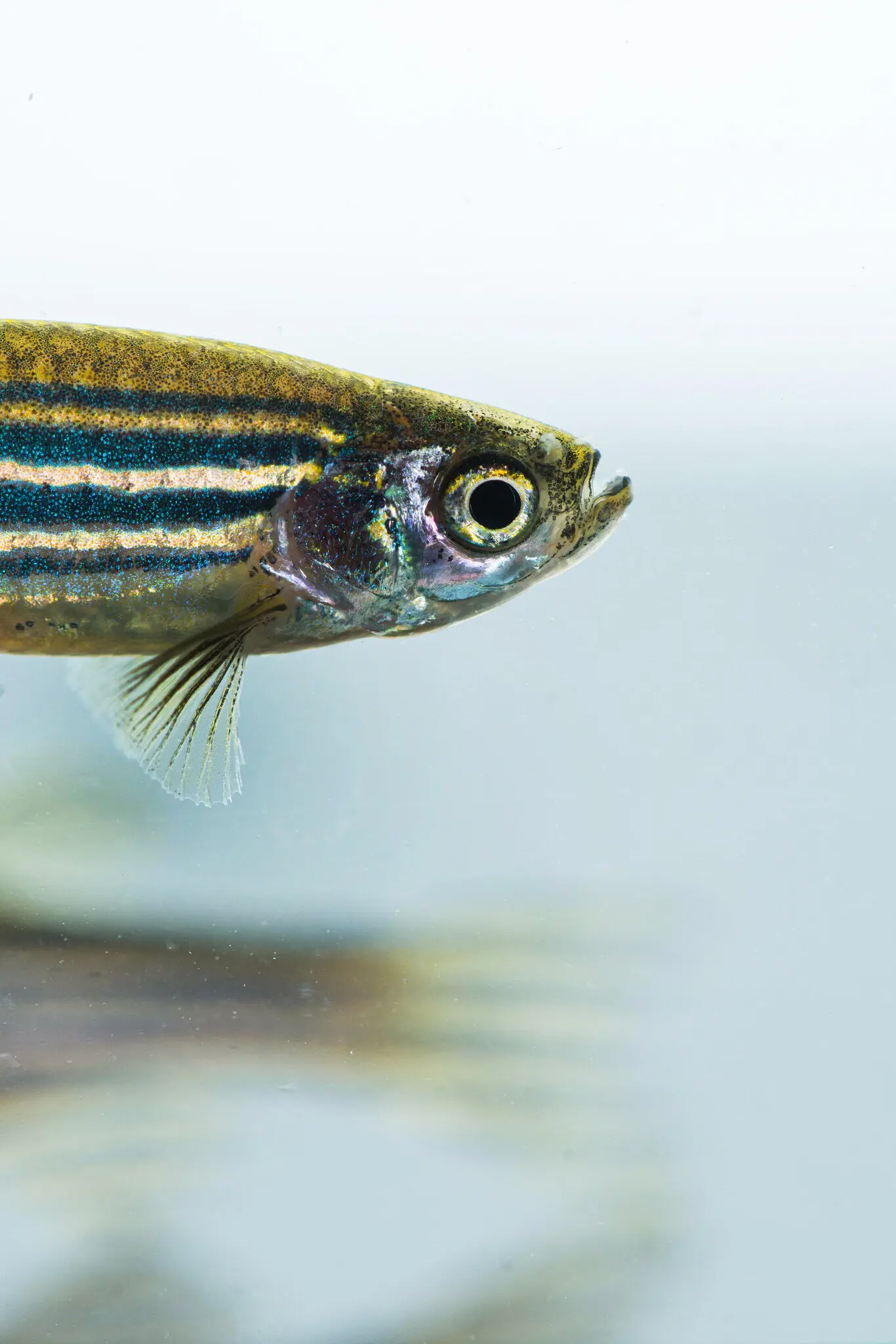
How Did Hands Evolve? The Answer Is Behind You.
Carl Zimmer has an interesting post about the evolution of hands. It appears it all started about 360 million years ago… Now the precise DNA-editing technology known as CRISPR is letting scientists reconstruct this ancient evolutionary change in molecular detail. It turns out that hands and feet were not the products of new genes doing new things.…
-
Oldest Human Genomes Reveal How a Small Group Burst Out of Africa
The New York Times’ Origins column has an article about a group of early humans. Around 45,000 years ago, a small group of people, likely fewer than 1,000, lived on the icy edges of Europe, hunting large game such as woolly rhinoceroses. This group is identified as the LRJ culture. They are believed to have…
-
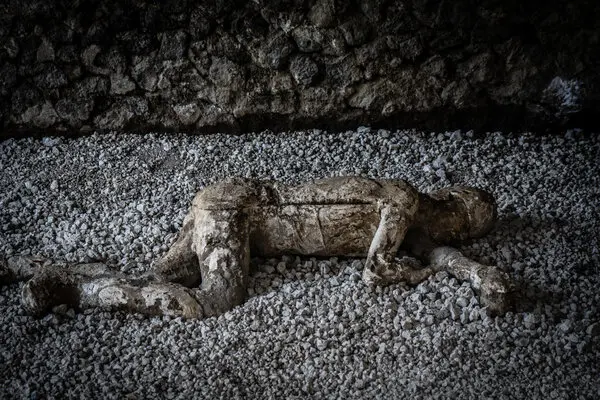
With DNA, Pompeii Narratives Take a Twist
The New York Times has a story about the residents of Pompeii when Vesuvius erupted in 79 C.E. Naratives were created when body cavities were first discovered at Pompeii in 1863. One group, a child and two adults were thought to be related, with a pair being a mother with a her child. DNA research…
-
Miners Unearth a Mummified Woolly Rhino in Siberia, With an Intact Horn and Soft Tissue
Smithsonian Magazine has an article about the discovery of a mummified woolly rhinoceros in Siberia. The animal was found by gold miners earlier this summer in a quarry in the rural Oymyakonsky District of Russia. It’s very well preserved with soft tissue and a complete horn. Some scientists have speculated that ancient DNA might even…
-
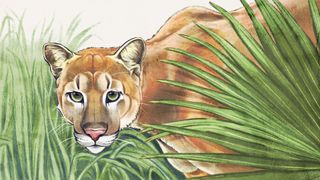
What defines a species? Inside the fierce debate that’s rocking biology to its core
Scientists have long debated whether the Florida panther is a North American cougar (Puma concolor couguar) or its own unique subspecies (P. c. coryi), ultimately settling on the former. The debate is part of a growing crisis in how scientists classify species. (Image credit: Maria Klos for Live Science) LiveScience has an interesting article about a…
-
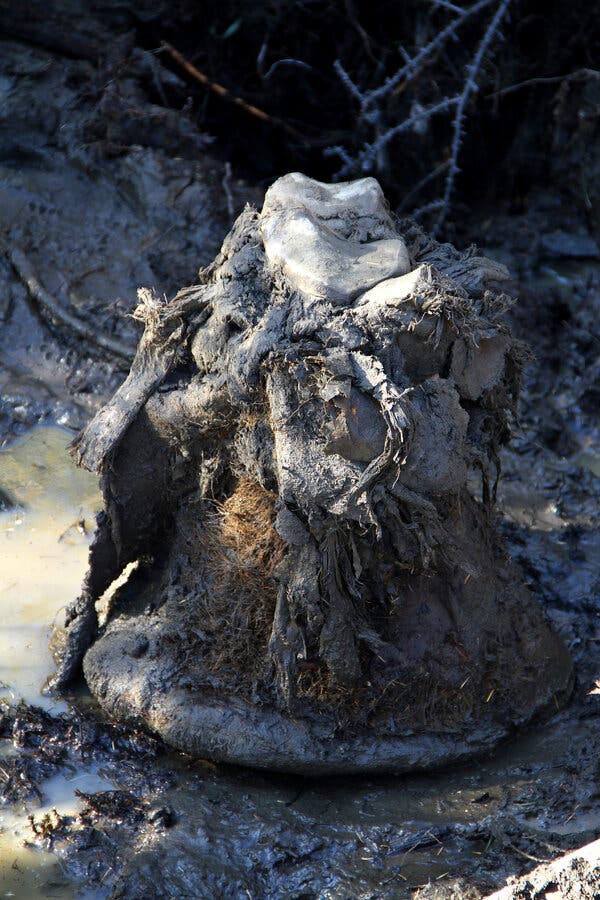
A Mammoth First: 52,000-Year-Old DNA, in 3-D
The New York Times has a fascinating article about woolly mammoth DNA. A 52,000 year old chunk of mammoth skin from the permafrost of Siberia as been used to generate a three-dimensional model of their genome. The research was published recently in the journal Cell. The experimental method used in this study could be used…
-
A New Tree of Flowering Plants? For Spring? Groundbreaking.
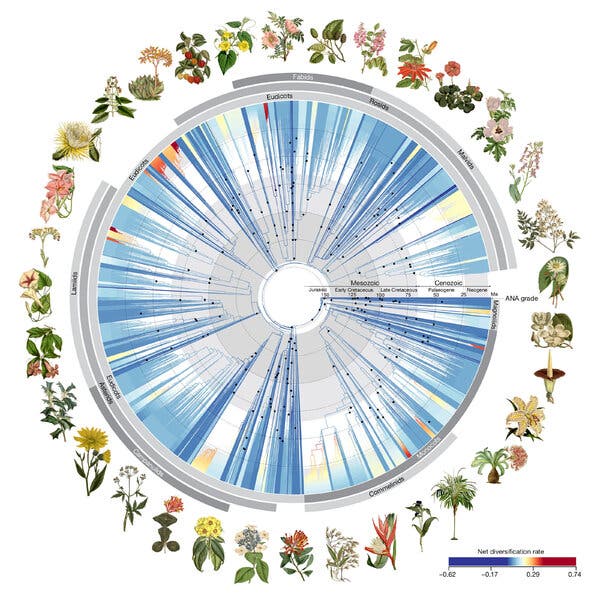
The New York Times’ Trilobites column has a story about work to understand how plants fit into the tree of life. New research detailed in the journal Nature suggests that more than 80% of major plant lineages evolved in a sudden burst during the Jurassic Period some 150 million years ago. This new study used…
-
Morning Person? You Might Have Neanderthal Genes to Thank
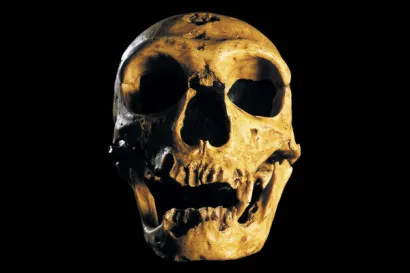
Javier Trueba/MSF, via Science Source Carl Zimmer has an interesting article about genetics over on his Origins column at the New York Times. A recent paper in the journal Genome Biology and Evolution derails generic research that suggests some of our circadian traits might come from Neanderthal genes. Modern humans and the ancient humans that…
-
Bees likely evolved from ancient supercontinent, earlier than suspected
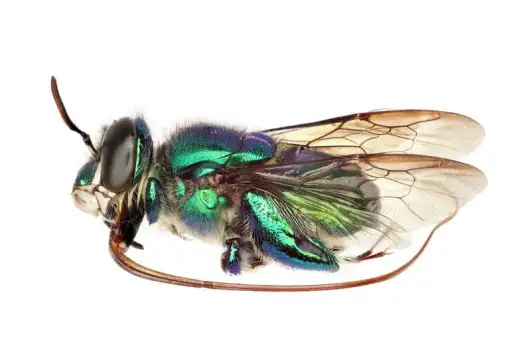
Phys.org has a story about the evolution of bees. A study in the journal Current Biology shows that bees are tens of years older than previously thought. The researchers looked at DNA from more than 200 species combined that with traits from 185 different bee fossils to develop an evolutionary history and genealogical models for…
-

PBS Eons: How (Some) Plants Survived The K-Pg Extinction
PBS Eons has a new video over on Youtube. This one is about Angiosperm plants and how many of them survived the K-Pg mass extinction. Perhaps for plants in times of great stress and ecological upheaval, the more DNA the better. Thanks to Franz Anthony (https://franzanth.com) for the incredible reconstruction of plants in the aftermath…
-
New DNA Analysis Reveals an Untold Story of Horses in America
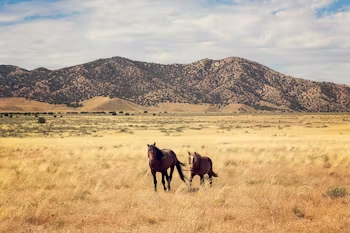
Inverse has an article about the history of horses in America. It’s not commonly known, but horses evolved in North America about 4 million years ago. They went extinct around 10,000 years ago with many other species of North American mega fauna. The causes of the extinction are still being studied. Horses were reintroduced by…
-
PBS Eons: Does Our “Junk” DNA Make Us Human?
PBS Eons has a new episode on Youtube. This one is about us and what is it that makes us, us. In the search for the genes that make us human, some of the most important answers were hiding not in the genes themselves, but in what was once considered genomic junk.
-
PBS Eons: When Our Culture Changed Our DNA
PBS Eons has a new episode on Youtube. This one is about the complex mix of culture, biology, and evolution. Thanks to our ability to develop and share complex learned behaviors across generations – a thing we sometimes call culture – we have become the ultimate niche builders.
-
PBS Eons: We Met Neandertals Way Earlier Than We Thought
PBS Eons has a new episode. This one is about the missing Neandertal Y chromosome. My cousin did a DNA test the other month and was embarrassed about having a much higher amount of Neandertal DNA than the average European, but I told them about all the cool things I learned about them on this…
-
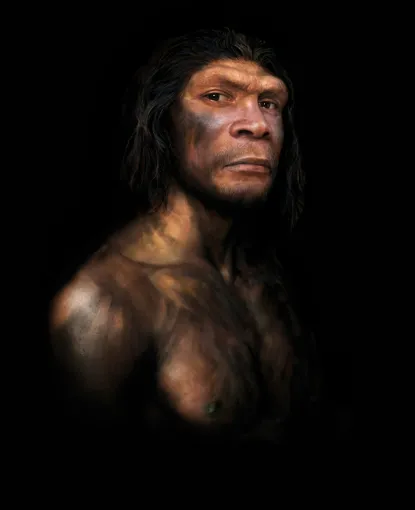
Neanderthals died out 40,000 years ago, but there has never been more of their DNA on Earth
The Conversation has an interesting article about the Neanderthals. First discovered in 1856, Neanderthals are known to have been very similar to us. We knew them and even interbred. They were successful for many years even along side us, so why did they go extinct? Neanderthals have served as a reflection of our own humanity…
-

CBC Quirks & Quarks: Black Death origins, chicken domestication, the life of a mastodon…
CBC’s Quirks & Quarks podcast has some interesting stories this week. Origins of the Black Death… it didn’t come from where everyone expected A team of historians, archeologists and geneticists, including Philip Slavin from Stirling University in Scotland, has identified what they believe to be ground zero in the medieval bubonic plague pandemic known as the Black…
-
Ancient Tooth From Young Girl Discovered in Cave Unlocks Mystery of Denisovans, a Sister Species of Modern Humans
SciTechDaily has a story about the Denisovans. The Denisovans are a closely related species of humans who lived in southeastern Asia around 150,000 years ago. Their DNA had only known from the Denisova cave in the Altai Mountains of Siberia (Russia). Now, the discovery of Denisovan DNA in a tooth from Cobra Cave in…
-
PBS Eons: How Horses Went from Food to Friends
PBS Eons has a new episode. This one is about the domestication of horses. Do our modern horses descend from just one domesticated population, or did it happen many times, in many places? Answering these questions has been tricky, as we’ve needed to bring together evidence from art, archaeology, and ancient DNA…Because, as it…
-

Mammoth and Horse DNA Left in Freezer Rewrite Ice Age Extinctions
Smithsonian Magazine has a story about research that shows that woolly mammoths and other Ice Age animals survived up to about 5,000 years ago instead of the accepted 13,000 years. Frozen permafrost samples collected about 10 years ago were analyzed and they revealed DNA of wooly mammoths, wild horses, and steppe bison. The research was…
-
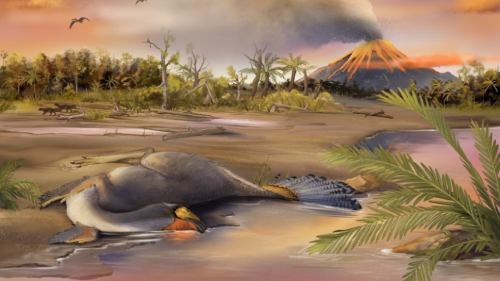
These 125 million-year-old fossils may hold dinosaur DNA
LiveScience has an article about the potential discovery of the remnants of dinosaur DNA. A study published in the journal Communications Biology looked at fossilized cartilage from a Caudipteryx, which was a feathered, peacock-like dinosaur that lived about 125 million years ago in what is now China. The study’s researchers found what appears to be…
-
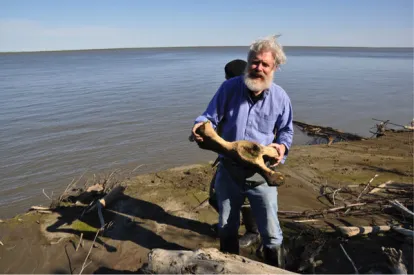
A New Company With a Wild Mission: Bring Back the Woolly Mammoth
The New York Times has a story about a company that wants to bring back the Woolly Mammoth. The resurrection of extinct species has been discussed for a while now. And now a company named Colossal has raised $15 million dollars in funding to bring the Woolly Mammoth back to Siberia. A team of scientists…
-
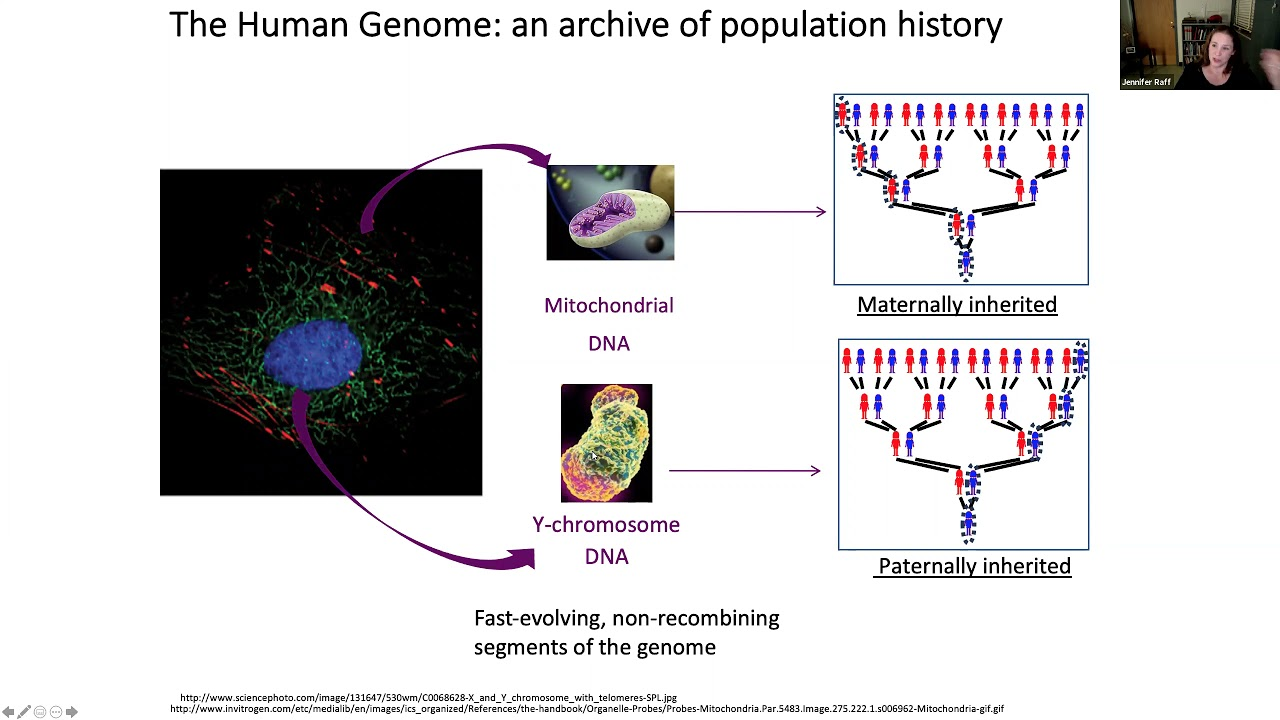
Video: ESCONI December 2020 General Meeting – “What Genetics Tells Us About the Peopling of the Americas”
The title for our Dec 4th program is “What Genetics Tells Us About the Peopling of the Americas” by Dr. Jennifer Raff, of the University of Kansas. Dr. Raff’s research includes ancient DNA, anthropological genetics, human evolution and population history, migration, bioarchaeology, and scientific literacy. You can find more about her on her page at…
-
PBS Eons: The Genes We Lost Along the Way
PBS Eons has a new episode. This one is about fossil genes. Our DNA holds thousands of dead genes and we’ve only just begun to unravel their stories. But one thing is already clear: we’re not just defined by the genes that we’ve gained over the course of our evolution, but also by the…
-
PBS Eons: The Pandemic That Lasted 15 Million Years
PBS Eons has a new episode. This one is very relevant as it’s about a fossil genes left from an ancient pandemic during the Eocene. Our DNA holds evidence of a huge, ancient pandemic, one that touched many different species, spanned the globe, and lasted for more than 15 million years. The paper we…
-

Palaeocast Episode 101: Organic Preservation of Dinosaur Bone
There’s a new episode of the Palaeocast podcast. It’s a discussion with Dr. Evan Saitta of the Field Museum of Natural History in Chicago, who recently published a paper that investigates the controversial discoveries. Fossilisation of organic material was long thought to result in the complete loss of original content. However in the last 20…
-
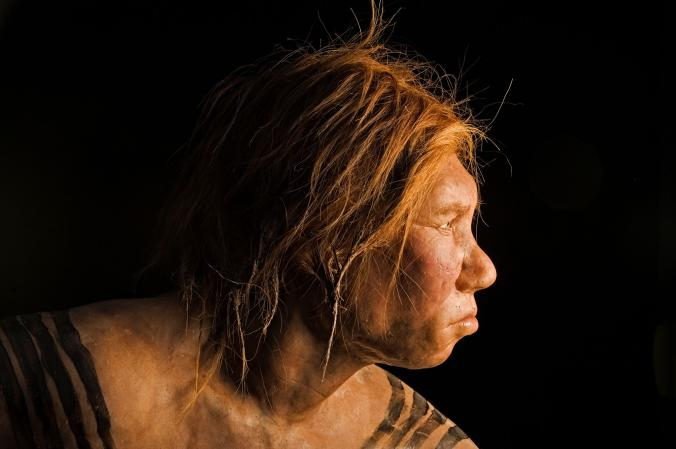
Ancient Girl’s Parents Were Two Different Human Species – Neanderthal and Denisovans
National Geographic has a story about the first direct evidence of interbreeding among Neanderthal and Denisovans. A paper in this week’s Nature has all the details. When the results first popped up, paleogeneticist Viviane Slon didn’t believe it. “What went wrong?” she recalls asking herself at the time. Her mind immediately turned to the analysis.…
-

Humans Today Have Even More Neanderthal DNA Than We Realised
George Dvorsky Oct 6, 2017, 6:00pm Before this new study, only four Neanderthal specimens have had their genomes sequenced. Of these, only one — an Altai Neanderthal found in Siberia — was of sufficient quality, where scientists were able to accurately flag variations in the genome. The new analysis, enabled by a remarkably well-preserved genome…
-
Bryan Syke’s New Book – DNA USA: Genetic Portrait of America
Interesting interview of Bryan Syke’s, including discussion of Clovis controversy, by Leonard Lopate of WNYC about Syke’s new book: DNA USA: A Genetic Portrait of America. Geneticist Bryan Sykes discusses examining America, one of the most genetically diverse countries in the world, through its DNA, and what it says about how we perceive race. His book…

