Tag: Cambrian explosion
-
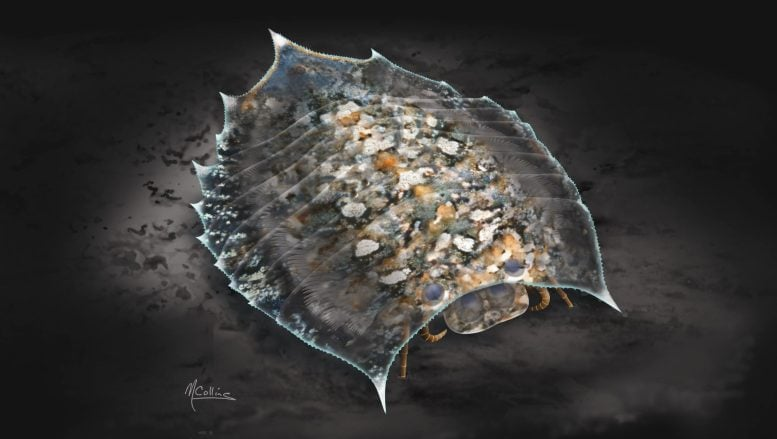
Harvard Scientists Solve 100-Year Mystery of Bizarre 508-Million-Year-Old Arthropod
SciTechDaily has an article about the strange arthropod Helmetia expansa. H. expansa was discovered by Charles Doolittle Walcott in 1918 in the Burgess Shale. It was initially identifed as a crustacean, however, it was never described. A new paper, in the Journal of Systematic Palaeontology, describes Helmetia expansa as a concilitergans, a group closely related…
-

PBS Eons: Could You Survive the Cambrian Explosion?
There's a new episode of PBS Eons. This one discusses whether you could survive in the Cambrian Period, some 500 million years ago. What would you eat? Could you breathe? In the ocean, the Cambrian Period was one of startling evolutionary innovations, but on land, it was barren, with no vegetation of any kind. In…
-
PBS Eons: Animals Might Be Much Older Than We Thought
PBS Eons has a new episode. This interesting video is about the origin of complex life. When did animals first show up? How long before the Cambian Explosion did complex life arrive on Earth. What are animal-like fossils doing in rocks a billion years old, and what does that mean for our understanding of their…
-
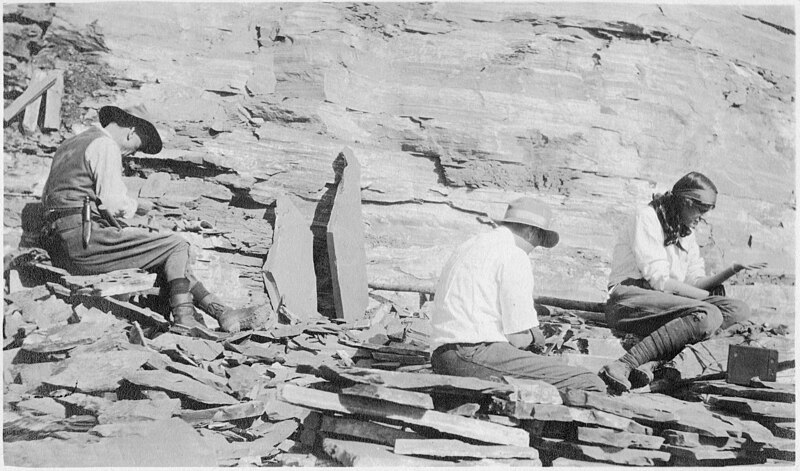
Happy Birthday, Burgess Shale – Discovered August 30th, 1909
The Burgess Shale was discovered 109 years ago today by Charles Doolittle Wolcott. The deposit dates to about 508 million years ago. Currently located high in the mountains of British Columbia, Canada, in life, it was located near the equator. It’s one of the most important fossil localities ever discovered, as it opened our eyes…
-
500 million years ago, this critter had a really bad day
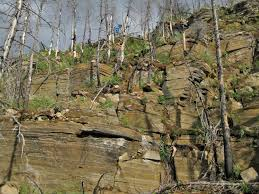
The Globe and Mail has a fantastic piece on the newest fossil discoveries of animals that lived during the “Cambian Explosion” in British Columbia. The new locality has been dubbed “Marble Canyon”. It features a slightly different assemblage of animals than what was found in the “Burgess Shale”. The exact location has been kept secret;…
