Tag: Australia
-
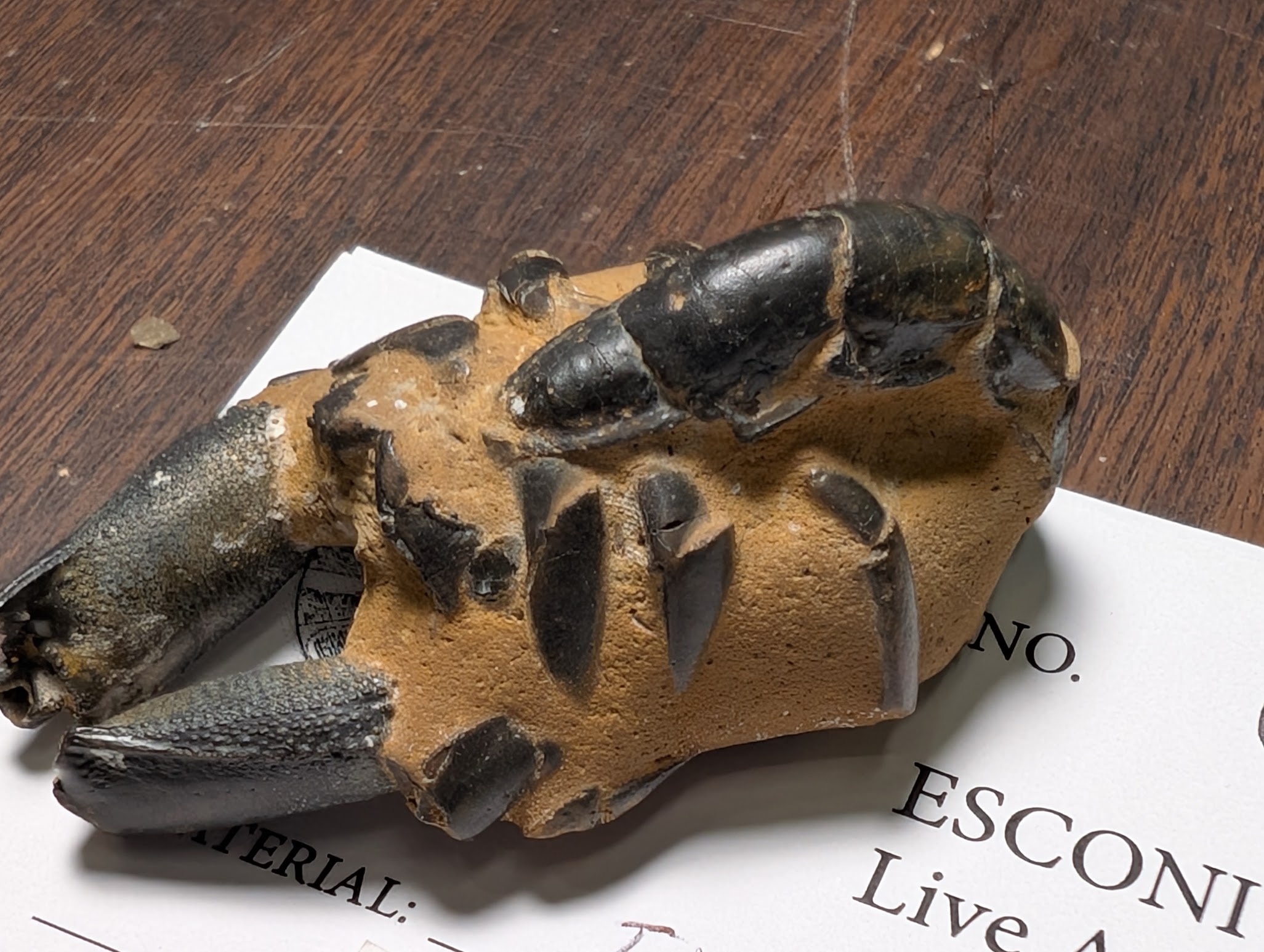
2026 ESCONI Gem, Mineral, and Fossil Show – Preview #21: Thalassina anomala from Gunn Point, N. T., Australia
The next preview is a fossil mangrove lobster, Thalassina anomala, from Gunn Point, N. T., Australia. This is a very detailed fossil with superb preparation. Come on out and check it out at the show… less than 2 days away!
-
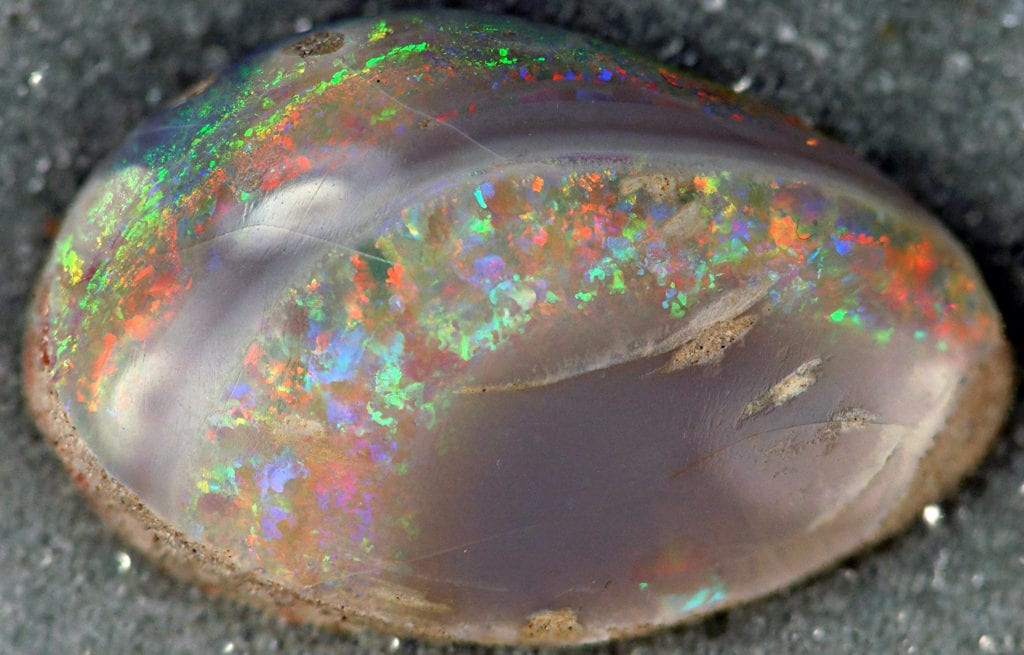
ABC’s The Science Show: Opals on Mars?
ABC’s “The Science Show” has a fascinating segment about the opals of Australia. 90% of the opals on Earth come from Australia. Many come from the cities of Lightning Ridge and Coober Pedy. They formed about 120 million years ago when the conditions were perfect for opal creation. There’s also a discussion about the process…
-
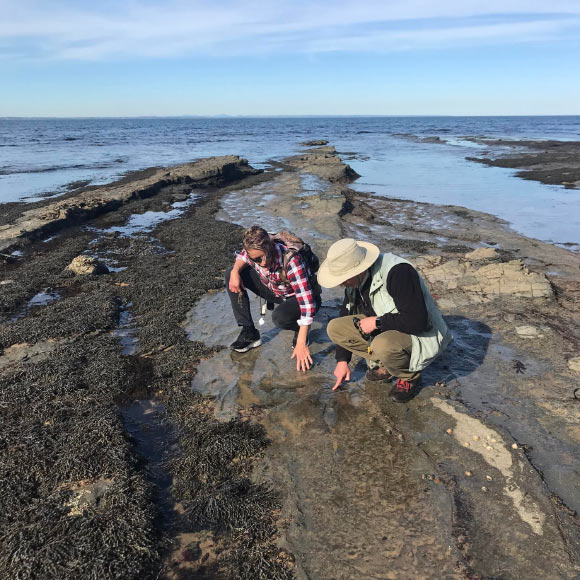
120-Million-Year-Old Footprints of Polar Dinosaurs Discovered in Australia
SciNews has a story about the discovery of dinosaur footprints in Australia. The footprints date back 120 million years, which corresponds with the early Cretaceous Period. At that time, Australia was still connected to Antarctica. The footprints were found in the Wonthaggi Formation south of Melbourne, Australia. They were made by a medium to large theropod…
-

Did Australia’s extinct giant kangaroos hop or stride? Fossils suggest they walked on two legs
Mainland Australia’s biggest kangaroos went extinct 40,000 years ago, but scientists are still figuring out how these big beasts moved.(ABC TV: Catalyst) ABC News in Australia has an article about extinct giant kangaroos. Giant kangaroos like Procoptodon goliah lived in Australia until about 40,000 years ago. It weighed about 240 kilograms (> 500 lbs). Did…
-
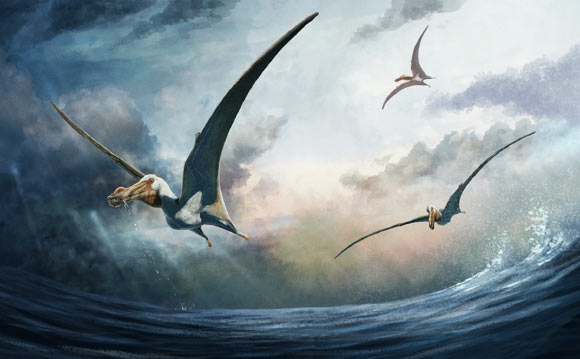
New Flying Reptile Fossils Found in Australia
Life reconstruction of Haliskia peterseni. Image credit: Gabriel N. Ugueto. SciNews has an article about the discovery of a large pterosaur in Australia. Haliskia peterseni had a wingspan of about 4.6 meters (15.1 feet). Thought to be a fearsome predator, it lived about 100 million years ago in central western Queensland. The specimen was described in…
-
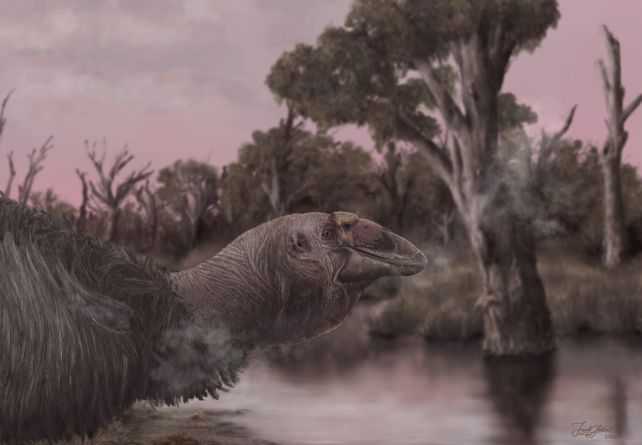
Giant ‘Giga-Goose’ Once Thundered Across Prehistoric Australia
Nature’s Science Alert has a story about a large flightless bird from Australia. Genyornis newtoni was first described in 1913. It lived around 45,000 years ago in what is now Australia. G. newtoni stood about 2.25 meters tall (7.4 feet) and weighed around 230 kilograms (510 pounds). New research published in the journal Historical Biology…
-

380-Million-Year-Old Fossils of Air-Breathing Tetrapod Fish Found in Australia
SciNews has a story about the discovery of a Devonian tetrapodomorph fish in Australia. Harajicadectes zhumini lived about 380 million years ago near what is now central Australia. The animal was described in the paper “A new stem-tetrapod fish from the Middle–Late Devonian of central Australia” in the journal Vertebrate Paleontology. “Tetrapodomorpha comprises the limbed tetrapods…
-
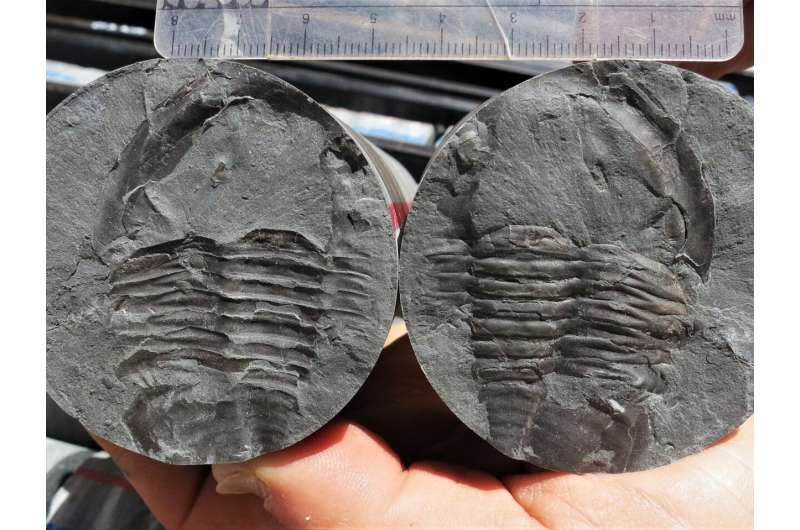
Trilobite Tuesday #47: Six new species of Western Australian trilobites discovered
Phys.org has a story about the discovery of six new species of Australian trilobites. The new animals hail from deep underground in Canning Basin of Western Australia. Their discovery was via a stratigraphic drilling program by the Geological Survey of Western Australia and Geoscience Australia. It sheds light on both ancient life and the geologic…
-
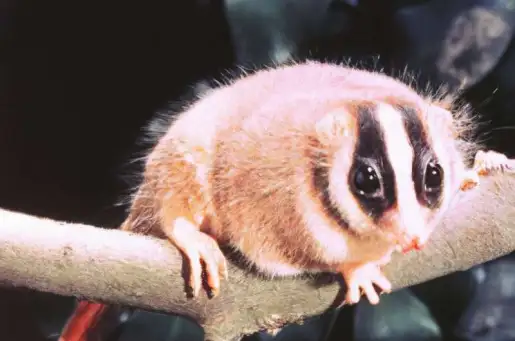
Feather-tailed possums in New Guinea were originally Aussies, according to fossil study
The New Guinean feather-tailed possum, Distoechurus pennatus, never developed gliding. Credit: UNSW Sydney Phys.org as a story about possums in New Guinea. A paper in Alcheringa : An Australasain Journal of Paleontology analyzed fossils from Riversleigh and found interesting facts about the ancestors of a tiny possum. Biologists have long known that miniature feather-tailed possums…
-
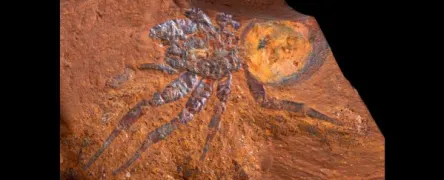
Fossil of a ‘Giant’ Trapdoor Spider Found in Australia, And Just Look at It!
Science Alert has a story about a spider fossil from Australia. This new species of spider, Megamonodontium mccluskyi, dates to the Miocene, which lasted from 11 to 16 million years ago. The fossil was found in a locality called McGraths Flat located in a grassland in New South Wales. McGraths Flat is classified as a…
-
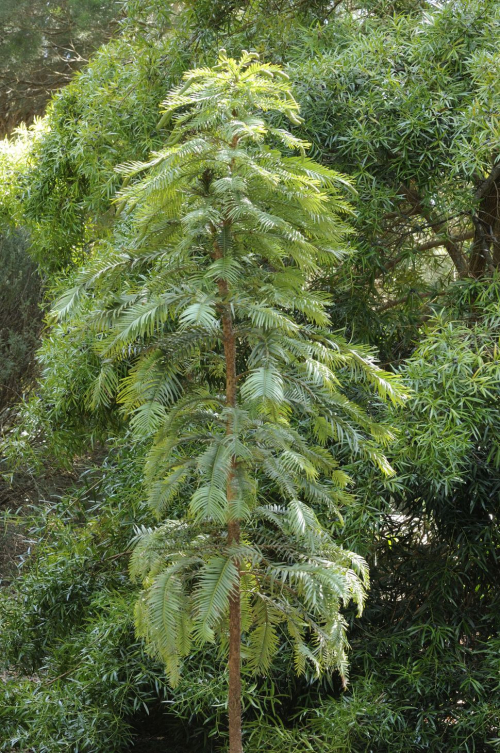
Mystery of ‘living fossil’ tree frozen in time for 66 million years finally solved
Live Science has a story about the Wollemi pine. Thought extinct, the Wollemi pine was “rediscovered” in 1994 by some hikers near Sydney, Australia. Wollemia nobilis is pretty much unchanged since the Cretaceous Peiod. A group of scientists from Australia, the US, and Italy have recently published the plant’s genome. The genome gives insight into…
-

Earth’s biggest cache of pink diamonds formed in the breakup of the 1st supercontinent ‘Nuna’
Live Science has a post about Australian diamonds. Western Australia is the source of 90% of the worlds pink diamonds. They are found in the Argyle formation, which formed about 1.3 billion (yes, billion) years ago. A paper in the journal Nature details the origin of these diamonds. While other diamonds derive their color from…
-
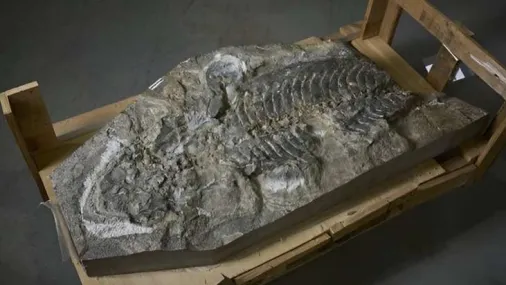
240 million-year-old fossil of salamander-like creature with ‘gnarly teeth’ unearthed in rocks for garden wall
LiveScience has an article about the discovery of a salamander-like animal in Australia. The animal, Arenaerpeton supinatus — meaning “supine sand creeper” — lived about 240 million years ago during the Triassic Period in what is now Australia. It was estimated to be 4 foot (1.2 meters) long and looked similar to the modern Chinese…
-

Aussie Farmers Unleash Dinosaur Rush as Fossil Findings Rewrite History
The New York Times has a story about dinosaurs in Australia. For a long time, dinosaur fossils were strangely rare in Australia. Now, with discoveries near Winston, Australia, dinosaur bone is seemingly everywhere! It took a moment to spot the fragment, initially: fist-size and unnaturally smooth, nestled between shrubs teeming with burrs in an endless expanse…
-
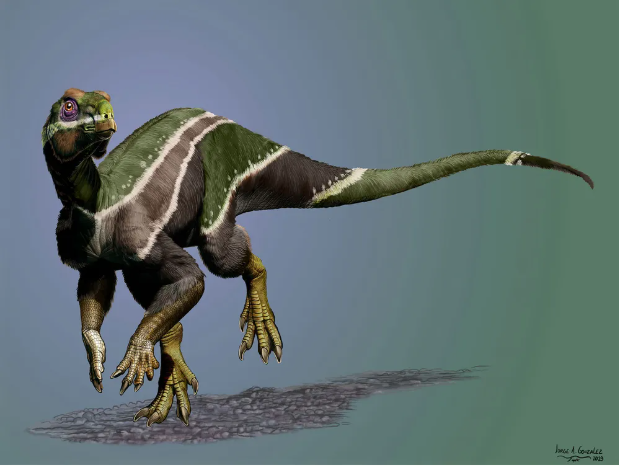
New Beaked Dinosaur Species Found in Utah
Smithsonian Magazine has a story about a newly discovered dinosaur. The beaked dinosaur is called Iani smithi after the Roman god Ianus and paleontologist Joshua Aaron Smith. It lived about 99 million years ago in Utah and adds detail to a fossil gap in the middle Cretaceous. The animal was described by North Carolina Museum of…
-

The World’s Newest National Park Protects 550-Million-Year-Old Fossils
Smithsonian Magazine has an article about the world’s newest national park in the world. Nilpena Ediacara National Park in South Australia opened to the public in on Thursday, April 27th, 2023. It’s a huge area, 148,000 acres. In 1946, Reg Sprigg found the fossil bed that housed fossils that would later be referred to as…
-

PBS Eons: The Invisible Barrier Keeping Two Worlds Apart
PBS Eons has a new episode on Youtube. This one is about the Wallace Line, named for its discoverer… Alfred Russel Wallace. In between two of the islands of Indonesia, there’s an ancient line that is both real and…not real.
-

A rare, 95-million-year-old titanosaur skull found in Australia
Popular Science has a story about the discovery of a sauropod skull. The animal, called Diamantinasaurus matildae, lived during the Cretaceous Period nearly 100 million years ago in what is now Australia. This skull represents the fourth specimen ever found. A paper in the journal Royal Society Open Science describes the 19.6 inch long skull. …
-
PBS Eons: Thylacoleo Is The Missing Australian Apex Predator
PBS Eons has a new episode. This one is about Thylacoleo, the so called marsupial lion, which was an extinct genus of carnivorous marsupials that lived in Australia from the late Pliocene to the late Pleistocene. In Australia, evolution built a family of deadly predators by taking a group of cute, harmless herbivores and turning…
-
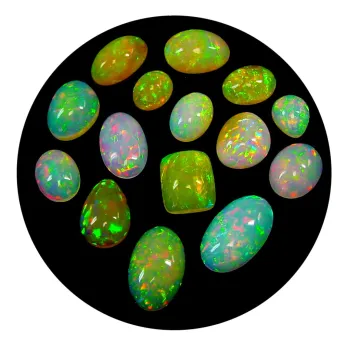
Opulent Opal
Jewellery World in Australia has a post about opals. Opals are beautiful precious stones found all over the world. Ethiopia along with Lightning Ridge in Australia are very famous for black opals. The Roman scholar Pliny observed in 79 AD, “Some opali carry such a play within them that they equal the deepest and richest…
-
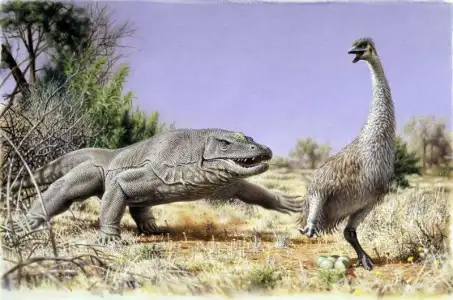
The first Australians ate giant eggs of huge flightless birds, ancient proteins confirm
Phys.org has a story about the extinction of the large flightless birds in Australia. An international team of scientists have found evidence that the earliest humans to arrive on Australia ate the eggs of the large flightless birds that lived in Australia 47,000 years ago. That evidence suggests humans had direct influence on the extinction. …
-
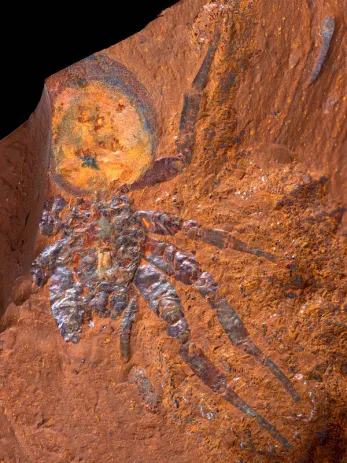
Fossils of a Prehistoric Rainforest Hide in Australia’s Rusted Rocks
The New York Times Trilobites column has a story about the discovery of a fossil rain forest in the outback of Australia. The deposit is located hundreds of miles northwest of Sydney in a place called McGraths Flat. The fossils date to the Miocene Epoch when Australia was much wetter. There’s flowers, insects, spiders, and…
-
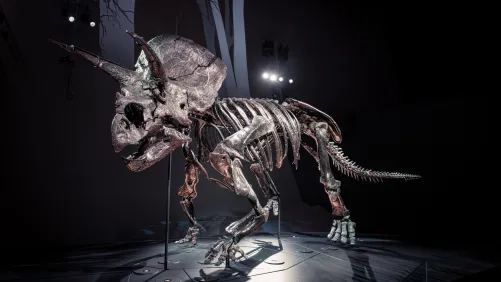
Meet ‘Horridus,’ one of the most complete Triceratops fossils ever found
LiveScience has the story of a very large and nearly complete Triceratops in the land down under. A Triceratops, nicknamed “Horridus” after its species name Triceratops horridus, is now on display in a new exhibit “Triceratops: Fate of the Dinosaurs,” at the Melbourne Museum in Australia. The specimen is about 85% complete and died about…
-

NYT: Fossils of a Prehistoric Rainforest Hide in Australia’s Rusted Rocks
The New York Times has a story about an amazing fossil rain forest. Dating to about 15 million years ago during the Miocene Epoch, this deposit hold exquisitely preserved insects, spiders, plans, even a feather. A description of the site was published recently in the journal Science Advances, Fifteen million years ago, a river carved…
-
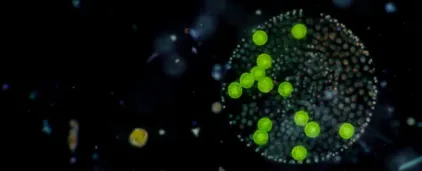
Oldest Fossilized Land Plant Spores Have Scientists Rethinking How Plants Evolved
Science Alert has a story about the oldest land plants. In rock samples from the Canning Basin in Western Australia, scientists have found clues to early land plant evolution. These samples come from deposits that date to the lower Ordovician about 480 million years ago when land plants were small and moss-like. The research can…
-
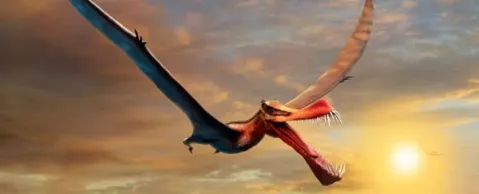
A Terrifying ‘Dragon’ Was The Largest Known Flying Reptile of Ancient Australia
Science Alert has a story about a terrifying new pterosaur recently described from Australia. It had a seven-meter wingspan, bristling teeth in its jaws, and it flew through the air! That’s how a new pterosaur from Australia has been described. Named Thapunngaka shawi, it lived about 110 million years ago during the Cretaceous Period. The…
-
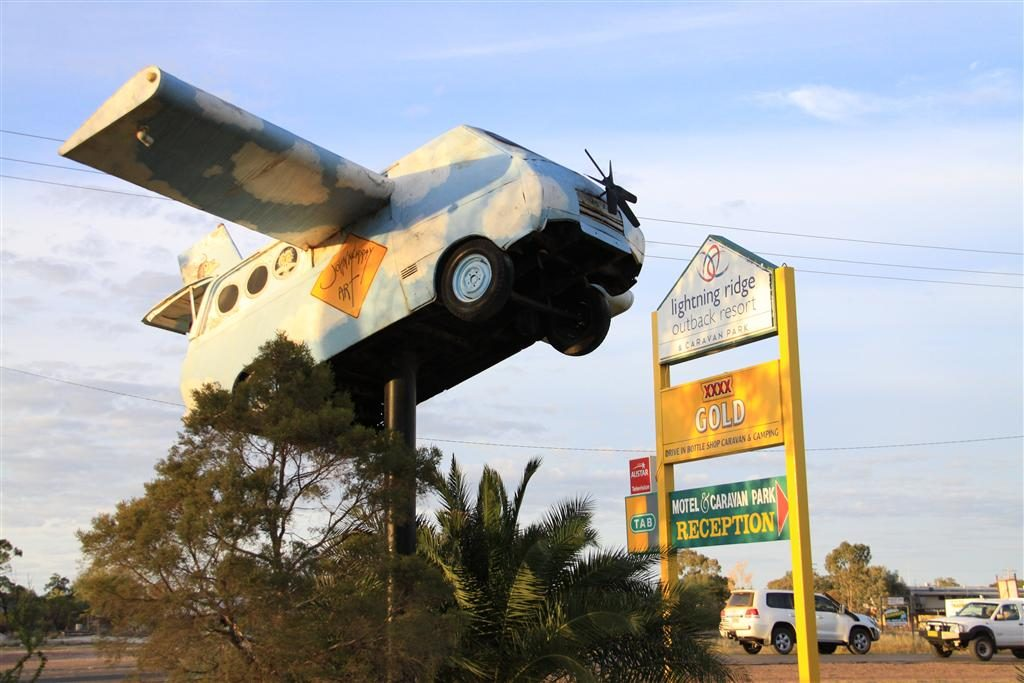
History of Lightning Ridge
Anyone who likes opals has surely heard of Lightning Ridge a mineral locality in Australia known for some of the best opals in the world, especially rare black opals. This page is all about the history of Lightning Ridge. Pretty colored stones were first collected in 1873, but it wasn’t until 1887 when the first…
-

NYT: New Dinosaur Species Is Australia’s Largest, Researchers Say
The New York Times has a story about a new dinosaur… from Australia. Australotitan cooperensis is a titanosaur, which is a type of sauropod. It weighted about 70 tons and lived about 90 million years ago during the Cretaceous Period. It’s the largest dinosaur known from Australia. The dinosaur was described in a paper in…
-

Phys.org: Giant fossil flightless bird had an enormous body but was still ‘bird-brained’
Phys.org has a story about a giant flghtless bird from Australia. The animal, Dromornis stirtoni, lived in Australia about 50,000 years ago. It stood about 3 meters high and had a weighed up to 600 kg. The description of this species was recently published in the journal Diversity. The largest flightless bird ever to live…
-
PBS Eons: How Ancient Art Captured Australian Megafauna
There’s a new episode of PBS Eons. This one connects archaeology, paleontology, and ancient art. Beneath layers of rock art are drawings of animals SO strange that, for a long time, some anthropologists thought they could only have been imagined. But what if these animals really had existed, after all?

