Tag: anthropology
-

PBS NOVA: Human Origins
PBS NOVA has a new 5 part series running on their website and Youtube. The first episode is called “Human Origins”. Check it out! Trace the remarkable origin story of Homo sapiens and the crucial moments that shaped our species. Official website: https://to.pbs.org/46djrws | #novapbs Where do we come from? To find out, journey back…
-
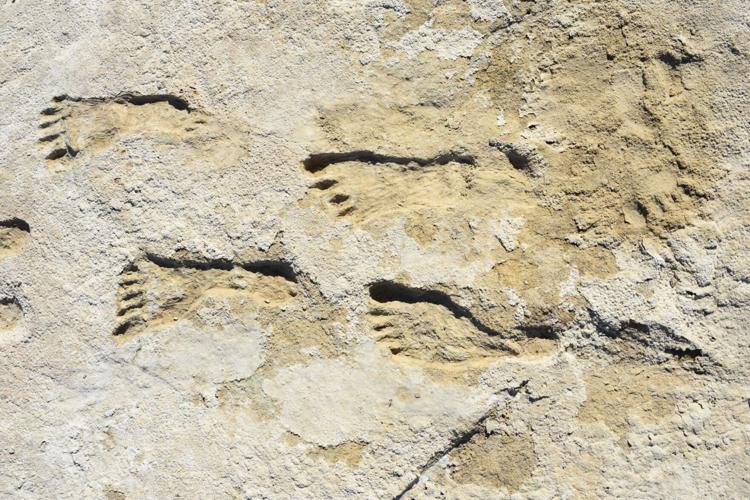
University of Arizona study confirms New Mexico fossils may be earliest evidence of humans in Americas
Tuscon.com has a story about the oldest evidence of human occupation in North America. A 2021 study from the University of Arizona revealed data that dated fossilized footprints from White Sands National Park to 23,000 year ago. This was controversial as the previously excepted oldest human evidence was 17,000 before present. Most of the criticism…
-
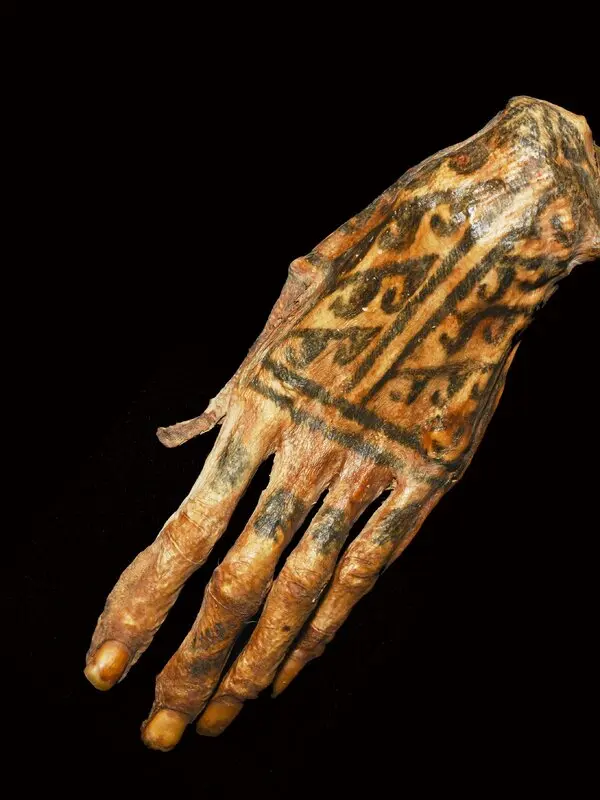
Mummies’ Ancient Tattoos Come Under Laser Focus
The New York Times has an article about ancient tattoos on mummies from Peru. Using a tool, laser-stimulated fluorescence, or L.S.F., usually used to study soft tissue in dinosaur fossils, scientists in Hong Kong have discovered intricate tattoos on mummified remains from the coast of Peru. The culture, referred to as the Chancay, left behind…
-

Giant Cave of Prehistoric Art Has Been Hidden Since The Stone Age
Science Alert has a story about the discovery of cave art in Spain. The art is dated to about 24,000 years old. It was found on the walls of a cave at the Cova Dones site near Spain’s Mediterranean coast. The cave has been known by locals for many years, but the art was somehow…
-

PBS Eons: The Extinct Human Species Found In Remote Cave Chambers
There's a new episode of PBS Eons over on Youtube. This one is about human evolution… the discovery of Homo naledi in a cave in Africa back in 2013. Deep in the Rising Star Cave system lies a mystery of paleoanthropology: a chamber filled with the bones of Homo naledi.
-
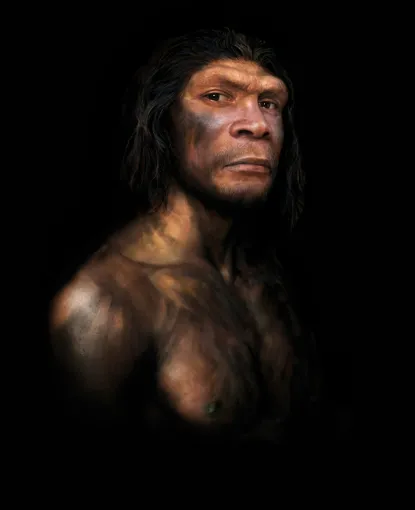
Neanderthals died out 40,000 years ago, but there has never been more of their DNA on Earth
The Conversation has an interesting article about the Neanderthals. First discovered in 1856, Neanderthals are known to have been very similar to us. We knew them and even interbred. They were successful for many years even along side us, so why did they go extinct? Neanderthals have served as a reflection of our own humanity…
-

Why did the Maya civilization collapse?
Live Science has a story about the Maya and what may have caused the collapse of their society about 1000 years ago. Usually a mix of environmental and political problems are sited as the reason for the collapse. There were severe droughts between 800 CE and 1000 CE. However, collapse may be a bad description…
-
PBS Eons: How Humans Became (Mostly) Right-Handed
PBS Eons has a new episode over on Youtube. Why are the majority of humans right-handed? What evolutionary pressures led to it? No other placental mammal that we know of prefers one side of the body so consistently, not even our closest primate relatives. But being right-handed may have deep evolutionary roots in our…
-
PBS Eons: When We First Talked
PBS Eons has a new episode which talks about talking. When did humans first speak? The evolution of our ability to speak is its own epic saga and it’s worth pausing to appreciate that. It’s taken several million years to get to this moment where we can tell you about how it took several…
-
PBS Eons: How Ancient Art Captured Australian Megafauna
There’s a new episode of PBS Eons. This one connects archaeology, paleontology, and ancient art. Beneath layers of rock art are drawings of animals SO strange that, for a long time, some anthropologists thought they could only have been imagined. But what if these animals really had existed, after all?
-
Reminder: March General Meeting is on Friday, March 9th, 2018 – Dr. Dan Gebo “Human Evolution – An Update”
The speaker will be Dr. Dan Gebo from the Department of Anthropology at NIU. The title of his talk is "Human Evolution – An Update". Come on out, we missed you in February!
-
The February General Meeting has been rescheduled for March 9th, 2018
The February General Meeting has been rescheduled for March 9th, 2018. The speaker will be Dr. Dan Gebo from the Department of Anthropology at NIU. The title of his talk is “Human Evolution – An Update”. Come on out, we missed you in February!
-
Reminder: General Meeting November 10th, 2017: What do we know about life on early Earth?
The title of Dr. D’Arcy Meyer-Dombard’s program at our November 2017 meeting is “What do we know about life on early Earth?” The speaker at our February 9, 2018 meeting will be Dr. Dan Gebo from the Department of Anthropology at NIU. His research focuses on understanding locomotor adaptation and evolution in living and…
-
General Meeting November 10th, 2017: What do we know about life on early Earth?
The title of Dr. D’Arcy Meyer-Dombard’s program at our November 2017 meeting is “What do we know about life on early Earth?” The speaker at our February 9, 2018 meeting will be Dr. Dan Gebo from the Department of Anthropology at NIU. His research focuses on understanding locomotor adaptation and evolution in living and…
-
Bryan Syke’s New Book – DNA USA: Genetic Portrait of America
Interesting interview of Bryan Syke’s, including discussion of Clovis controversy, by Leonard Lopate of WNYC about Syke’s new book: DNA USA: A Genetic Portrait of America. Geneticist Bryan Sykes discusses examining America, one of the most genetically diverse countries in the world, through its DNA, and what it says about how we perceive race. His book…
-
Dr. Robert Martin Lecture Tonight – Friday, May 13
If you are interested in learning more about Dr. Martin, the Field Museum offers information… In the tree of life, human evolution is a very unusual case in many ways. If the focus of study is too narrow, it is difficult to avoid special pleading. My long-term research strategy has hence been rooted in the…

