
-

Video for ESCONI Paleontology Meeting November 2023 – A Snapshot in Time: The Jurassic Lagerstätte of the Solnhofen Archipelago, Germany”
Read more: Video for ESCONI Paleontology Meeting November 2023 – A Snapshot in Time: The Jurassic Lagerstätte of the Solnhofen Archipelago, Germany”The presentation at the November 2023 Paleontology Meeting was given by Bruce and Rene Lauer. The title of the talk was “A Snapshot in Time: The Jurassic Lagerstätte of the Solnhofen Archipelago, Germany”. Bruce and Rene Lauer are founders and administrators of the Lauer Foundation for Paleontology, Science, and Education. The Lauer Foundation for Paleontology, Science and Education (PSE) is passionate about promoting the cooperation and collaboration between scientists, individuals and commercial fossil collectors for the advancement of science. The Lauer Foundation PSE is an active operating foundation and the Foundation’s collections are curated using museum standards including the Specify Software, collection management system, and…
-
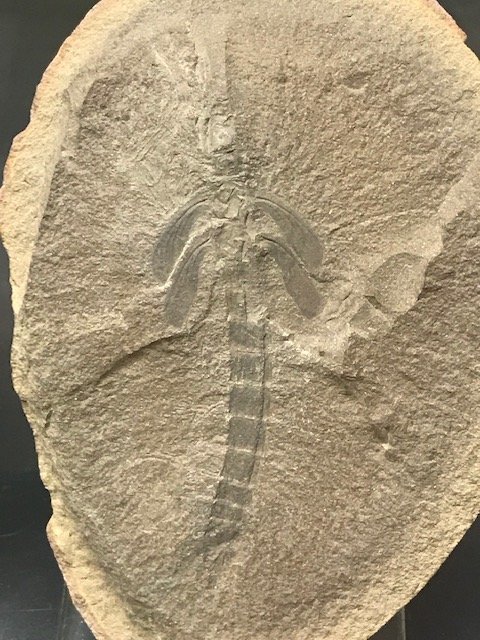
Mazon Monday #192: Mischoptera douglassi
Read more: Mazon Monday #192: Mischoptera douglassiThis is Mazon Monday post #192. What’s your favorite Mazon Creek fossil? Tell us at email:esconi.info@gmail.com. Mischoptera douglassi is a winged fossil insect from the Pennsylvanian Period. It belongs to Superorder Palaeodictyopteroidea and Order Megascoptera. The first specimen was found by Lincoln Douglass in Pit 6 of the Northern Illinois Coal Company. Lincoln, was the father of Dave Douglass. In September 1973, Dave founded the “Down to Earth Rock Shop” in Evanston, IL. The holotype specimen of M. douglassi is on display in the basement museum. Eugene Richardson called it “one of the most important fossil insects ever found” due…
-
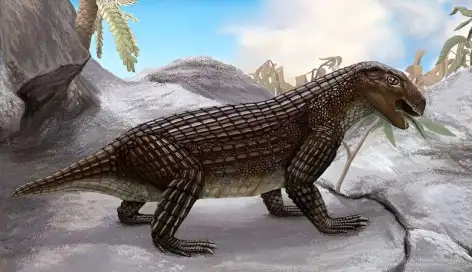
Unraveling the surprisingly complex history of crocodiles
Read more: Unraveling the surprisingly complex history of crocodilesSome ancient crocodiles, like Simosuchus, were doing things vastly different to surviving species, such as eating plants. Credit: Smokeybjb/Wikimedia Commons Phys.org has a story about the history of crocodiles. There are 28 species of living crocodiles, but this represents a small fraction of the the many types that have lived in the past. The ancestors of modern crocodilians likely appeared in North America up to 145 million years ago during the late Jurassic Period. Two recent papers touch on the history of crocodiles. A paper in the journal Royal Society Open Science looks at the ability for crocodiles to tolerate…
-

PBS Eons: The Huge Extinctions We Are Just Now Discovering
Read more: PBS Eons: The Huge Extinctions We Are Just Now DiscoveringPBS Eons has a new episode. This one is about ocean extinctions during the Silurian Period. It wasn't the quiet time that was once thought. What graptolites tell us is a story of incredible changes in the ocean, of periods where the oceans became poisonous and suffocating before eventually clearing up again. They unlock extinctions and recoveries that scientists didn't see. And, most of all, they show us how unpredictable the Silurian period really could be.
-

ESCONI Events December 2023
Read more: ESCONI Events December 2023Field trips require membership, but visitors are welcome at all meetings! Fri, Dec 2nd ESCONI Holiday Lunch 12:00 PM – Warren’s Ale House in Wheaton, IL See Details Fri, Dec 8th ESCONI General Meeting 8:00 PM – Topic: “Ancient Forest Pests: Plant-Insect Interactions in the Fossil Record” by Michael Donovan, Collections Manager, Paleobotany, Field Museum of Natural History Zoom link Sat, Dec 9th ESCONI Junior Meeting – 6:30 PM at College of DuPage – Topic: “Rock Id and Sylvania Fossil Slabs” Specifics of this meeting are available from Scott Galloway, 630-670-2591, gallowayscottf@gmail.com. The meeting will be in person at the…
-
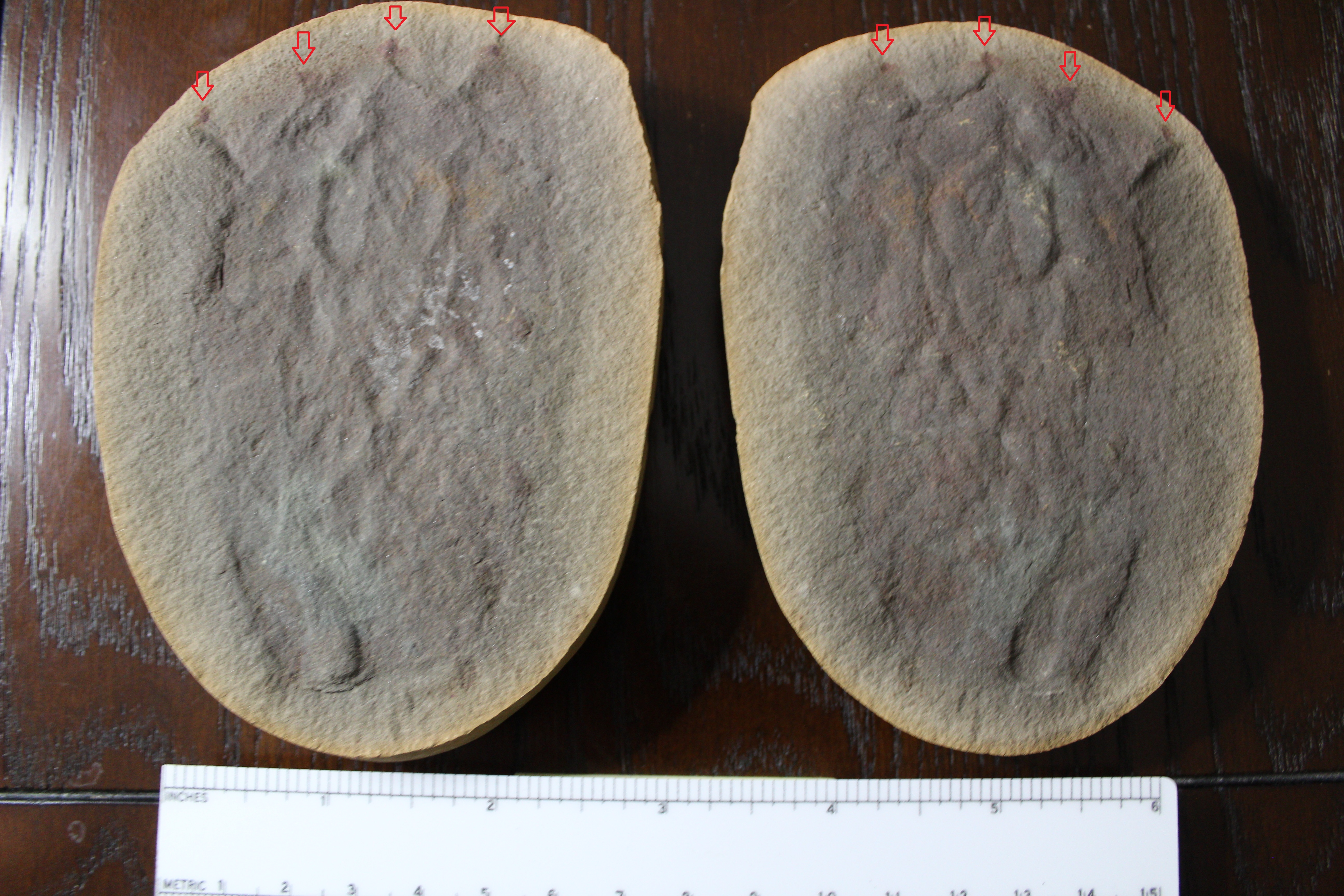
Fossil Friday #188: Essexella asherae
Read more: Fossil Friday #188: Essexella asheraeThis is the “Fossil Friday” post #188. Expect this to be a somewhat regular feature of the website. We will post any fossil pictures you send in to esconi.info@gmail.com. Please include a short description or story. Check the #FossilFriday Twitter hash tag for contributions from around the world! In the marine areas of the Mazon Creek fossil deposit, it’s very common to find blobs in opened concretions. Often these are left in the field in the search for rarer, more “interesting” fossils. There’s even a poem “Ode to a Blob” (written by Rob Sula in 2002) to pay homage to…
-
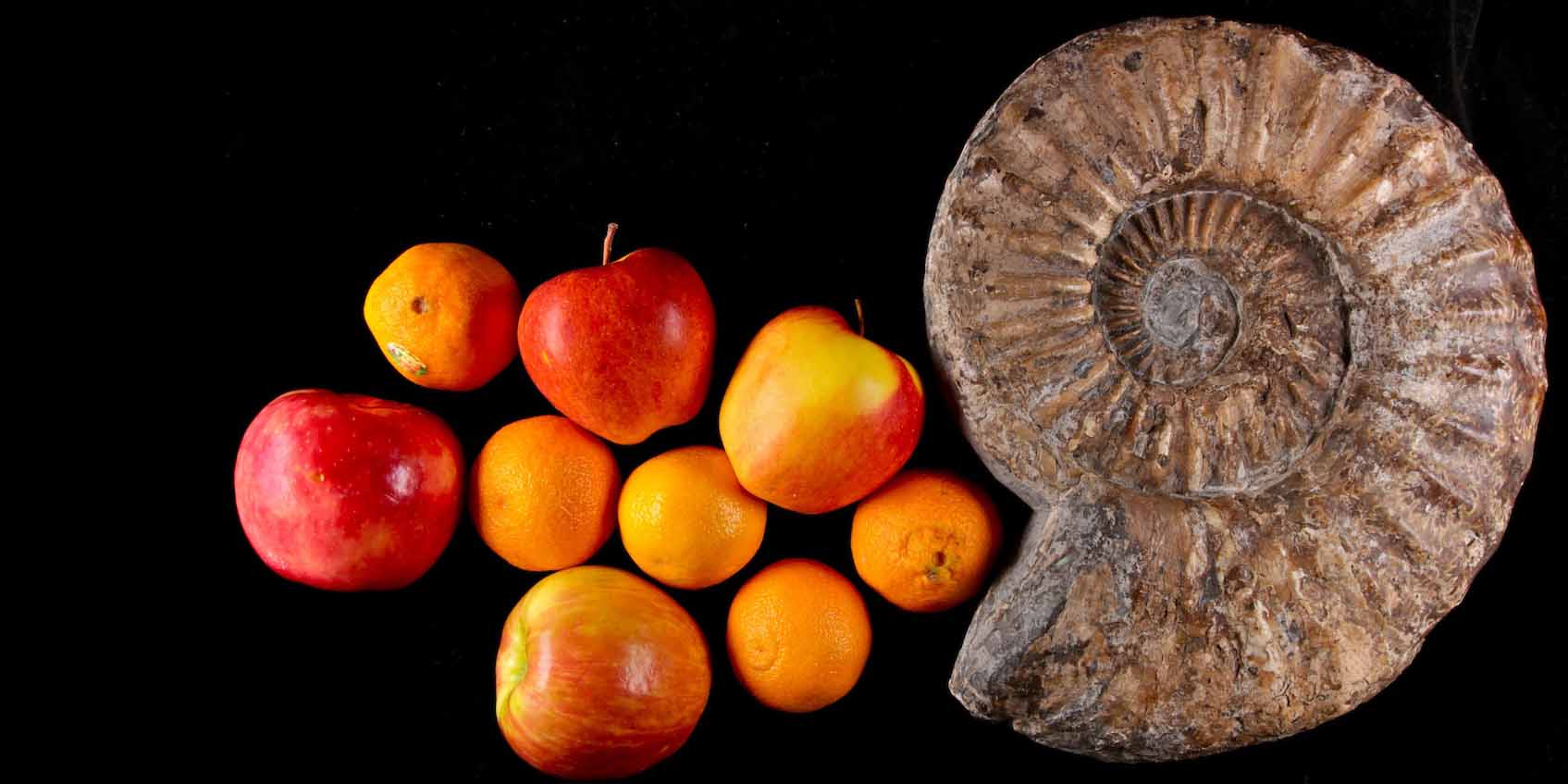
Throwback Thursday #189: Happy Thanksgiving!
Read more: Throwback Thursday #189: Happy Thanksgiving!This is Throwback Thursday #189. In these, we look back into the past at ESCONI specifically and Earth Science in general. If you have any contributions, (science, pictures, stories, etc …), please send them to esconi.info@gmail.com. Thanks! Ok, this is a throwback of a Throwback Thursday for those of you that didn’t see it the first time. Paul Mayer, collection manager of fossil invertebrates at the Field Museum, did a post on ammonites and Thanksgiving back in 2016. We posted it back in Throwback Thursday #86. Happy Thanksgiving! For this Thanksgiving Edition of Throwback Thursday, we are only going back…
-

Video for ESCONI October 2023 General Meeting – “Microfossils to Mosasaurs: A Journey Through the University of Iowa Paleontology Repository”
Read more: Video for ESCONI October 2023 General Meeting – “Microfossils to Mosasaurs: A Journey Through the University of Iowa Paleontology Repository”Here is the video for the October 2023 General Meeting. The speaker was Tiffany Adrain, who works as the Paleontology Repository Collections Manager at the University of Iowa. The topic of her presentation was “Microfossils to Mosasaurs: A Journey Through the University of Iowa Paleontology Repository”.
-

ESCONI Holiday Party December 2nd, 2023, 12:00 PM at Warren’s Ale House in Wheaton, IL
Read more: ESCONI Holiday Party December 2nd, 2023, 12:00 PM at Warren’s Ale House in Wheaton, ILDo you have a better (uglier!?!) Holiday sweater? If you think you do, come out and show it off! The ESCONI Holiday Party for 2023 is planned for December 2 at Warren’s Ale House, 51 Town Square Wheaton, IL. That’s the same place as last year. We will be ordering off the menu. They have a good selection. We hope to see you there! Please RSVP by Thursday, November 30 (do not reserve through the restaurant) to Board Member Katherine Howard – Email: Katherinehoward@live.com Please provide your name and how many will be attending so we have an approximate count.…
-

Mazon Monday #191: Ilyodes inopinata
Read more: Mazon Monday #191: Ilyodes inopinataThis is Mazon Monday post #191. What’s your favorite Mazon Creek fossil? Tell us at email:esconi.info@gmail.com. Velvet worms, also known as Onychophora, are a phylum of terrestrial invertebates. They are soft-bodied, with many short thick legs, and a velvety body. Modern day examples live in tropical environments. They are very rare in the fossil record and appear unchanged since the Cambrian. Some researchers believe they might be the missing link between annelid worms and arthropods. The one Mazon Creek species of Onychophora was described by Ida Thompson and Douglas S. Jones in 1980 in the paper “A Possible Onychophoran from…
-
Fossil Reveals Ancient Seafloor Communities
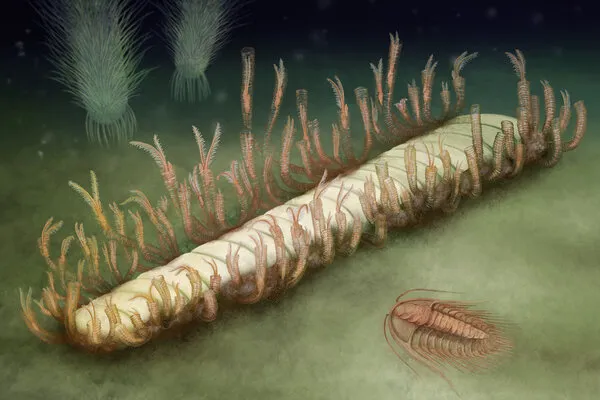
Read more: Fossil Reveals Ancient Seafloor CommunitiesAn artist’s reconstruction of the tube-like animals attached to the dead phragmocone..Credit…Franz Anthony The New York Times Trilobites column has a story about some very old ocean floor communities. Research published recently in the journal Communications Biology looked at a 480-million-year-old cephalopod from Morocco that was posthumously converted into a condominium. It’s the earliest known example of the recycling of biological material on the ocean floor. The fossil arrived at Harvard in 2019, amid a collection of legally imported invertebrate fossils from the Fezouata Shale, a formation full of exquisitely preserved Ordovician fossils from the Atlas Mountains of Morocco. The…
-
Recent fossil discovery suggests the first dinosaur egg was leathery
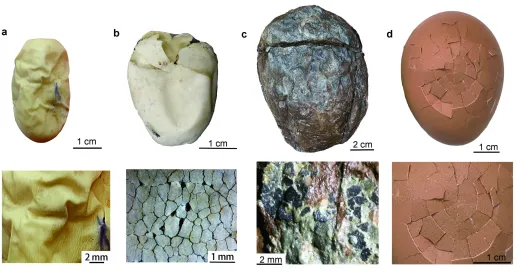
Read more: Recent fossil discovery suggests the first dinosaur egg was leatheryComparison of fossil eggs (c) with existing soft-shelled, leathery, and hard-shelled eggs . Credit: IVPP Phys.org has a story about dinosaur eggs. A paper in the journal National Science Review suggests that the first dinosaur eggs were leathery not hard as we see in modern day birds. The study looked at three skeletons from adult individuals and five egg clutches of the early Jurassic dinosaur Qianlong shouhu. The name Qianlong means “Guizhou dragon,” while shouhu means “guarding”—a reference to the preservation of adult skeletal fossils in association with embryo-containing egg fossils. These dinosaurs were basal sauropodomorphs. The calcareous layer of…
-

Fossil Friday #187: Mazon Creek Chiton
Read more: Fossil Friday #187: Mazon Creek ChitonThis is the “Fossil Friday” post #187. Expect this to be a somewhat regular feature of the website. We will post any fossil pictures you send in to esconi.info@gmail.com. Please include a short description or story. Check the #FossilFriday Twitter hash tag for contributions from around the world! For this week’s Fossil Friday, we have another Mazon Creek bucket list fossil. Chitons are mollusks, so they are related to clams, cephalopods (like nautilus, squids and octopus), and snails (gastropods). In the past, there were other common mollusks, like ammonites and a wide variety of cephalopods. In the Mazon Creek biota,…
-
Throwback Thursday #188: Field Museum Photos – Mazon Creek Fossils
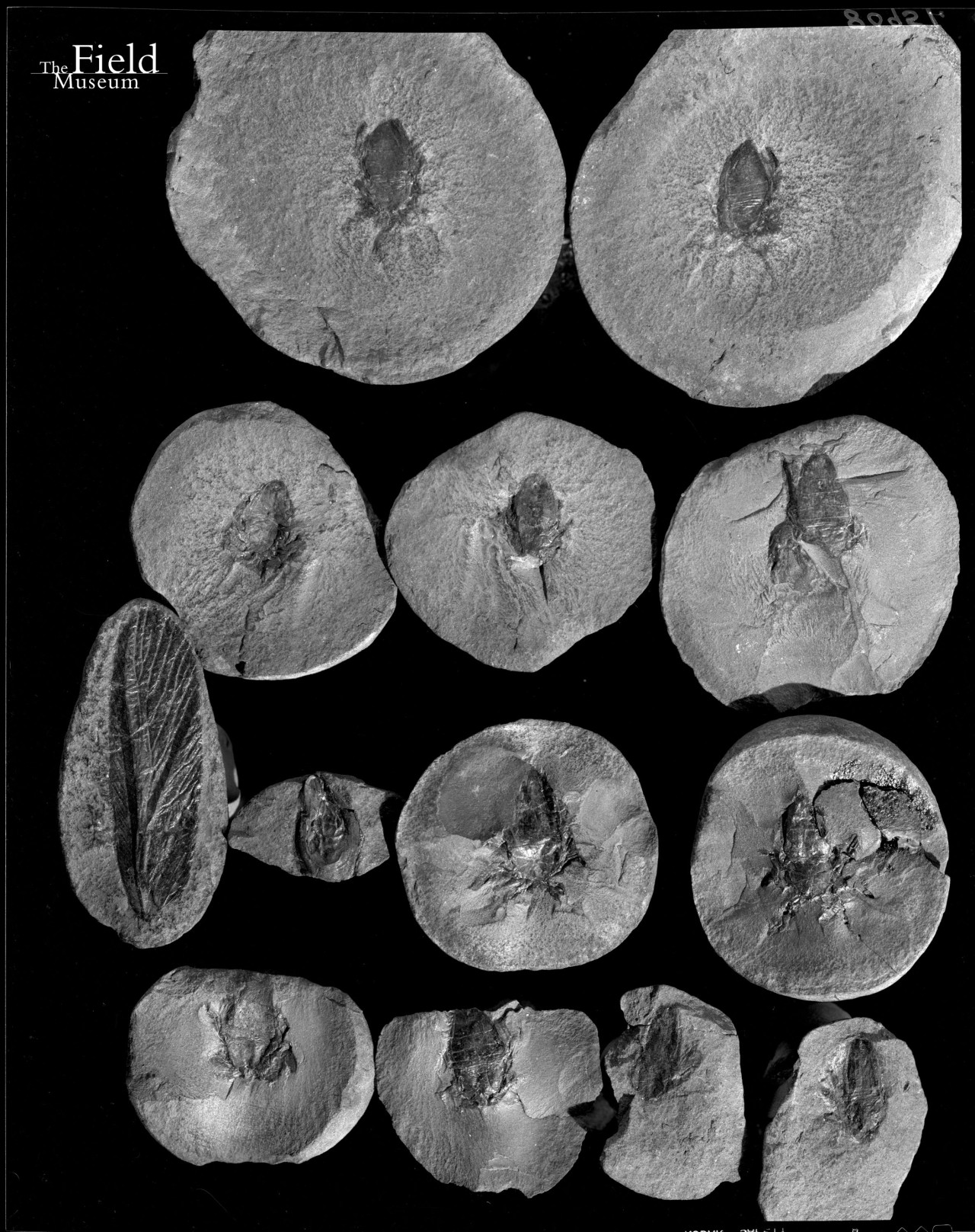
Read more: Throwback Thursday #188: Field Museum Photos – Mazon Creek FossilsThis is Throwback Thursday #188. In these, we look back into the past at ESCONI specifically and Earth Science in general. If you have any contributions, (science, pictures, stories, etc …), please send them to esconi.info@gmail.com. Thanks! Today, we take another peek into the Field Museum Photo Archive over on Tumblr. The subject is “Fossil Friday” and “Mazon Creek:, because who can get enough of these beauties?!? Fossil Friday, Fossil plants and insects. © The Field Museum, GEO80953. Wilmington Paleo and Mazon Creek specimens, leaves, insects. Collected by Mr. George Langford. 8×10 negative 10/1/1950 Fossil Friday, sphenopsid, Annularia stellata. ©…
-
Wyoming Couple Finds Forest of Gigantic 60 Million-Year-Old Petrified Trees
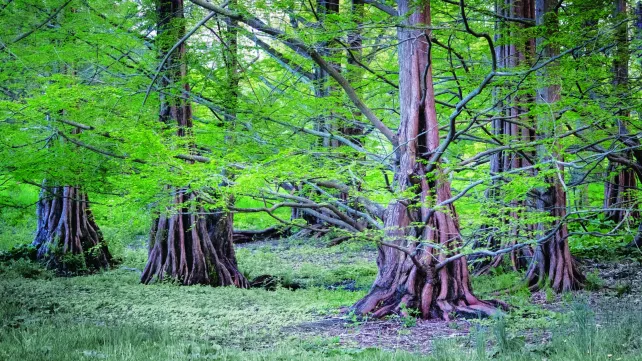
Read more: Wyoming Couple Finds Forest of Gigantic 60 Million-Year-Old Petrified TreesExamples of metasequoia trees similar to the petrified specimen found by a Wyoming couple recently on their property. (Photo by Erik Herman, Harvard.edu) Cowboy State Daily has a story about the discovery of some gigantic petrified trees near Buffalo, Wyoming. The fossil tree trunks were found while building an RV park. The fossils date to the Paleocene about 60 million years ago. One section measures about 35 feet long and more the a foot wide. The trees are believed to be metasequoias, as other fossils of the same trees have been found nearby. Jeanne Peterson and her husband, Robert Suchor, weren’t…
-
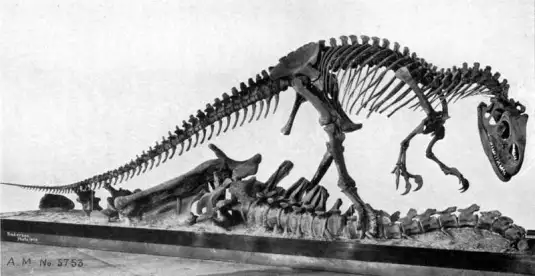
Giant dinosaur carcasses might have been important food sources for Jurassic predators
Read more: Giant dinosaur carcasses might have been important food sources for Jurassic predatorsPhotograph of the skeletal mount of Allosaurus specimen AMNH 5753, from William Diller Matthew’s 1915 Dinosaurs. Credit: Project Gutenberg e-book, Wikimedia Commons, CC0 (creativecommons.org/publicdomain/zero/1.0/) Phys.org has a story about Jurassic dinosaurs and the ecosystem they lived in. A paper published in the journal PLOS One looks at the ultimate fate of giant dinosaur carcasses. The authors’ hypothesis was that carnivorous dinosaurs evolved to take advantage of the available food resource provided by the large carcasses of sauropods and other dinosaurs. To test this idea, the researchers created an agent-based model that simulated the Jurassic-aged ecosystem, which was preserved in the…
-
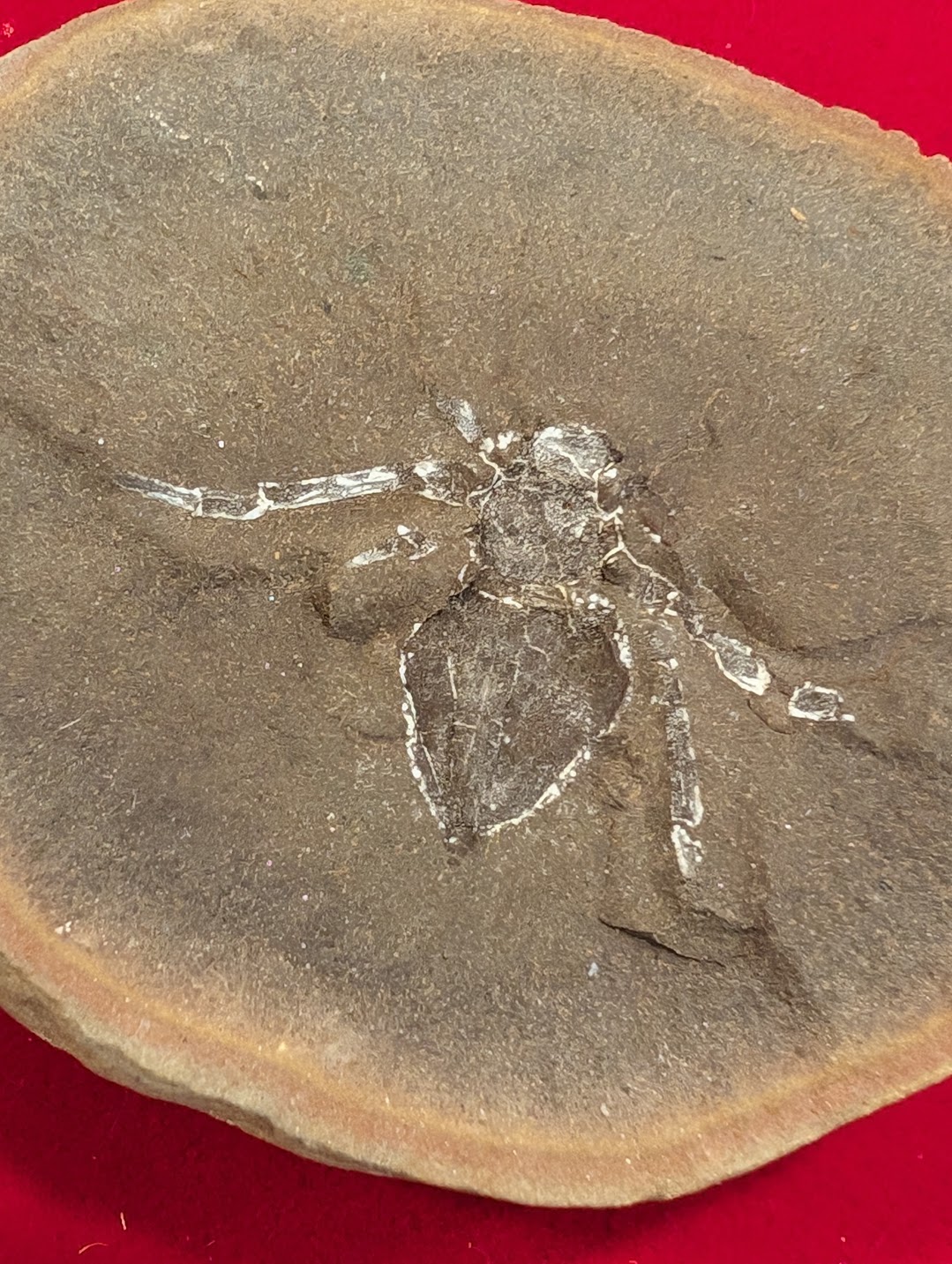
Mazon Monday #190: Amarixys sulcata
Read more: Mazon Monday #190: Amarixys sulcataThis is Mazon Monday post #190. What’s your favorite Mazon Creek fossil? Tell us at email:esconi.info@gmail.com. Amarixys sulcata is a Mazon Creek spider. When it was first found in the late 1880’s, it was mistaken for a beetle. A.L. (Axel Leonard) Melander (1878-1962) described it as Kustarachne sulcata in 1903 in the paper “Some additions to the Carboniferous terrestrial arthropod fauna of Illinois”, which was published in the Journal of Geology. Melander was an American entomologist, who specialized in Diptera (flies) and Hymenoptera (ants, bees, and wasps). He spent the majority of his career at the City College of New…
-

How the T. Rex Built Up That Bone-Crushing Bite
Read more: How the T. Rex Built Up That Bone-Crushing BiteThe New York Times’ Trilobites column has a story about Tyrannosaurus rex. Just how did T-rex get its nasty bite… slowly over the years. In paper published in the journal The Anatomical Record, scientists looked at how the powerful oral feature had evolved. It was not easy for the researchers to build 3-D skull models of nine tyrannosaur species for their analysis. Evan Johnson-Ransom, a doctoral student at the University of Chicago who led the research, said that just reconstructing digital skulls of two Asian species “took approximately three months since we had to work with flattened specimens.” But the team endured, ultimately finding that tyrannosaur…
-
PBS Eons: When Did We Stop Being Naked?
Read more: PBS Eons: When Did We Stop Being Naked?PBS Eons has a new episode. Where and when did we start wearing clothes? Of course, the ancient Egyptians were probably not the first people to ever wear clothing, but we haven’t found any clothes older than the Tarkhan Dress. So how can we figure out when we first started wearing clothes? Well, it turns out that some of our best evidence for clothing in the past comes from a pretty unlikely – and kinda gross – place.
-
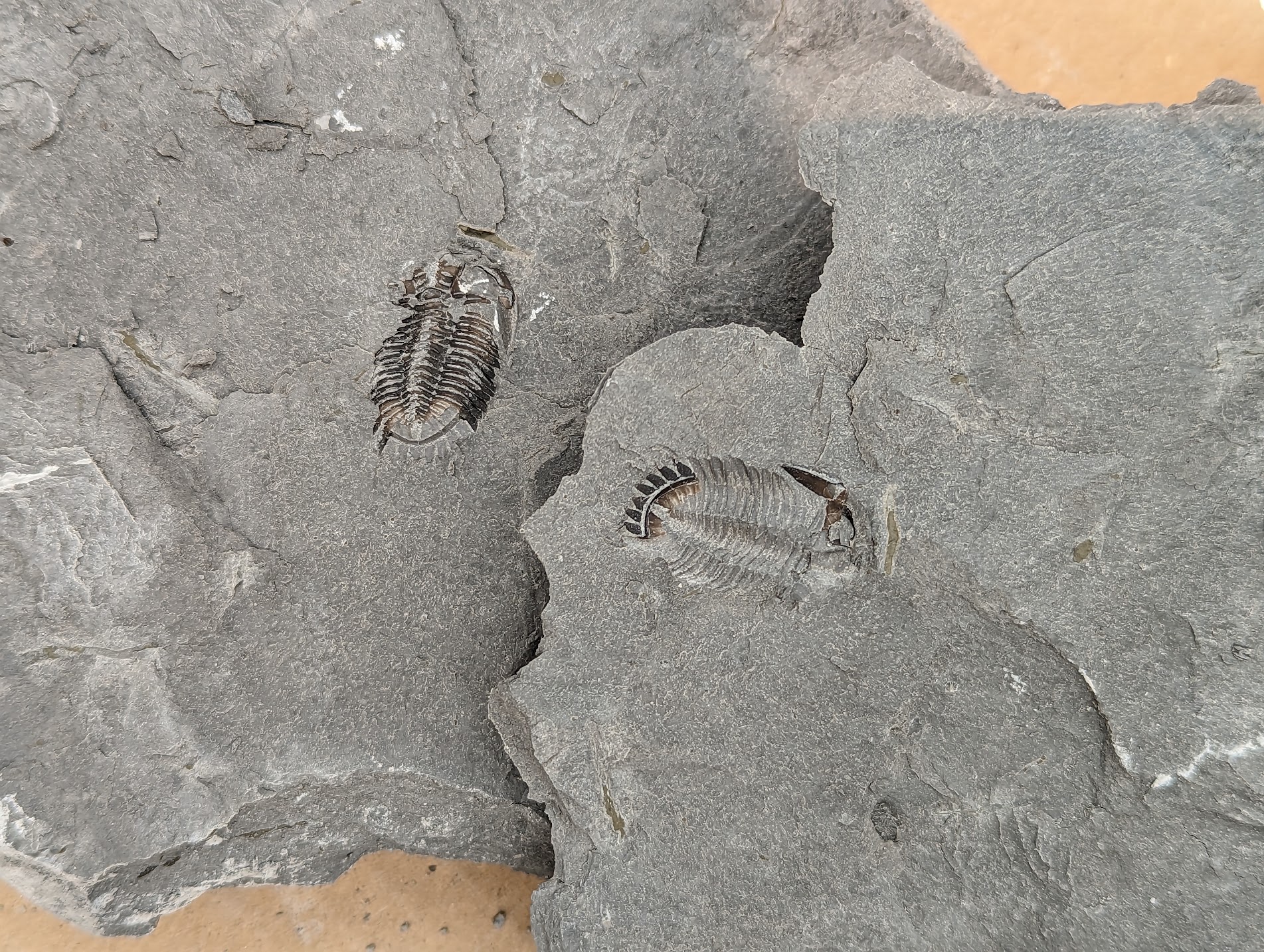
Fossil Friday #186: Greenops sp. from Penn Dixie
Read more: Fossil Friday #186: Greenops sp. from Penn DixieThis is the “Fossil Friday” post #186. Expect this to be a somewhat regular feature of the website. We will post any fossil pictures you send in to esconi.info@gmail.com. Please include a short description or story. Check the #FossilFriday Twitter hash tag for contributions from around the world! Today, we have a Greenops trilobite from Penn Dixie Fossil Park & Nature Reserve in Blasdell, NY, near Buffalo in western New York. Penn Dixie was once a quarry. Now, it’s a nature preserve where you can collect fossils. The strata exposed at Penn Dixie date to roughly 382 million years ago during…

ESCONI Gem, Mineral, and Fossil Show
Most Recent Post
- Archaeologists Find Egyptian Mummy Buried With the ‘Iliad’
 The New York Times has an interesting post about a discovery in Egypt. A 2,000 year old mummy in the burial site known as Oxyrhynchus had a papyrus fragment of the Homeric epic “Iliad” in a clay packet outside its wrappings. The mummy was a non-royal male,
- About ESCONI
- Around the Web
- Calendar of Events
- Code of Ethics and Conduct
- ESCONI Books for Sale
- ESCONI Gem, Mineral, and Fossil Show
- ESCONI in the News
- ESCONI Videos
- Field Trips
- Flashback Friday
- Fossil Friday
- Mazon Creek
- Mazon Monday
- Member Spotlight
- Membership Information
- Reference Material
- Throwback Thursday
- Trilobite Tuesday
Field trips require membership, but visitors are welcome at all meetings!
| Friday, May 2nd | Field Trip to Danville, IL. Details here. |
| Friday, May 8th | General Meeting – 8:00 PM via Zoom. Thomas Loebel will present “Seeing Beneath the Ground: Geophysics and Archaeological Explorations in Illinois”. |
| Saturday, May 9th | Junior Study Group Meeting – 2:00 PM, in person at the College of DuPage Technical Education Center (TEC) Building – Room 1038A (Map). “The Rock Cycle and Sedimentation” Specifics of this meeting are available from Scott Galloway, 630-670-2591, gallowayscottf@gmail.com. |
| Saturday, May 16th | Paleontology Study Group – 7:30 PM via Zoom. John Catalani will present “An Ordovician Konzentrat Lagerstätte: The Dixon Mifflin Residuum Fauna”. |
| Saturday, May 23rd | CGMA Show, Kane County Fairgrounds |
| Sunday, May 24th | CGMA Show, Kane County Fairgrounds |
| Saturday, May 30th | Field Trip to Braceville, IL. Details here. |
| Sunday, May 31st | Field Trip to Braceville, IL. Details here. |
| No meeting this month | Mineralogy Study Group |