Category: Trilobite Tuesday
-

This trilobite fossil became ancient Roman bling
A. Fernández-Fernández et al. Science has an interesting story about a trilobite in ancient Rome. The ancient romans loved their fossils and displayed them for curious visitors. Archaeologists working in Spain have found a trilobite as part of roman jewelry. This is the eleventh trilobite found in an archaeological context. See the paper “Significance of…
-

PBS Eons: There’s An Invisible Ocean Between These Fossils
There’s a new episode of PBS Eons. This one is about trilobites and what they show us about the history of the Earth’s continents. This is the hundred-year tale of how an unlikely bunch of bottom-dwelling marine critters helped reveal that ocean basins are basically reincarnated every few hundred million years.
-

New Grand Canyon Discovery Could Rewrite Geology Textbooks
SciTechDaily reports on a discovery that may reshape our understanding of the Cambrian Period. New research, published in the journal GSA Today, focuses on Cambrian rock formations at the base of the Grand Canyon. The study, a collaborative effort led by Carol Dehler, a professor at Utah State University, and Fred Sundberg, a paleontologist and adjunct professor at UNM, revisits…
-
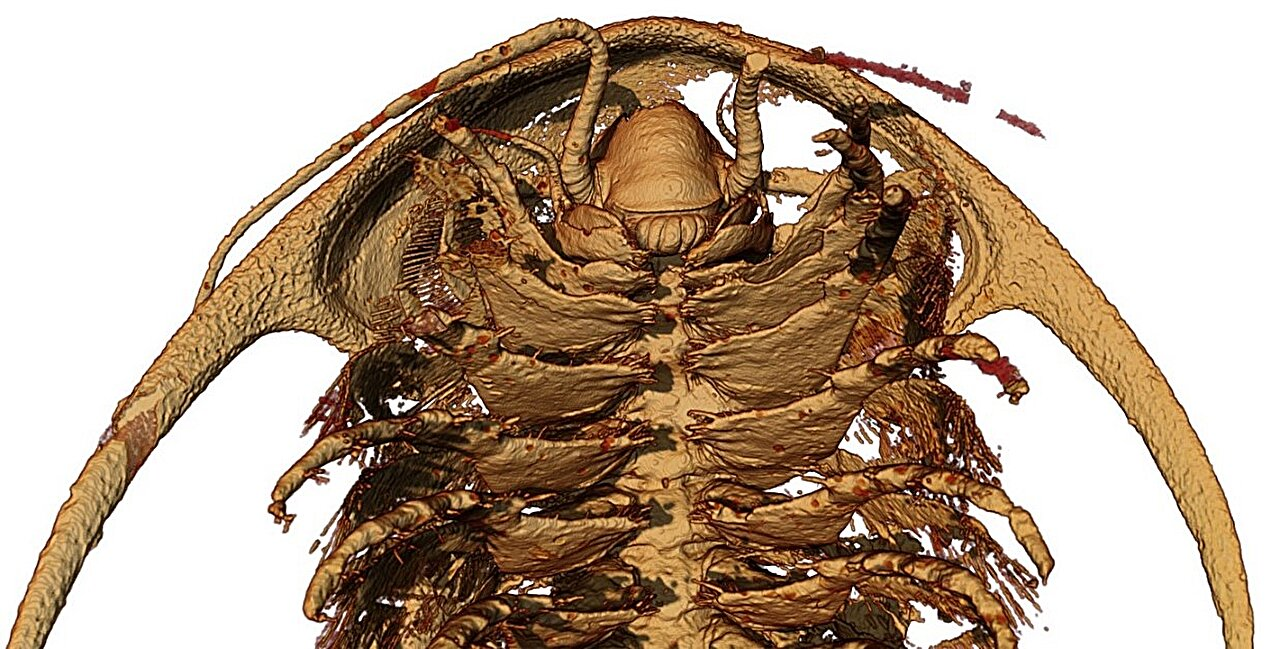
Trilobite Tuesday #49: Most pristine trilobite fossils ever found shake up scientific understanding of the long extinct group
Phys.org has an article about an amazing fossil find in Morocco. A recently discovered deposit of Cambrian trilobites is being described as Pompeii-like, in that the fossils were preserved in volcanic ash (like the Roman city of Pompeii). The fossils are preserved with such fidelity that some never before seen anatomical features are seen preserved…
-

Trilobite Tuesday #48: Rare museum specimen reveals new insights into how trilobites curled themselves into a ball
Phys.org has a story that shed light how trilobites evolved the ability to enroll their bodies for protection against predators. A team of researchers from Harvard examined a museum specimen that had preserved sternites, where were plates that lined the stomach of trilobites. Using micro-CT scans, the researchers could see how the plates slid past…
-
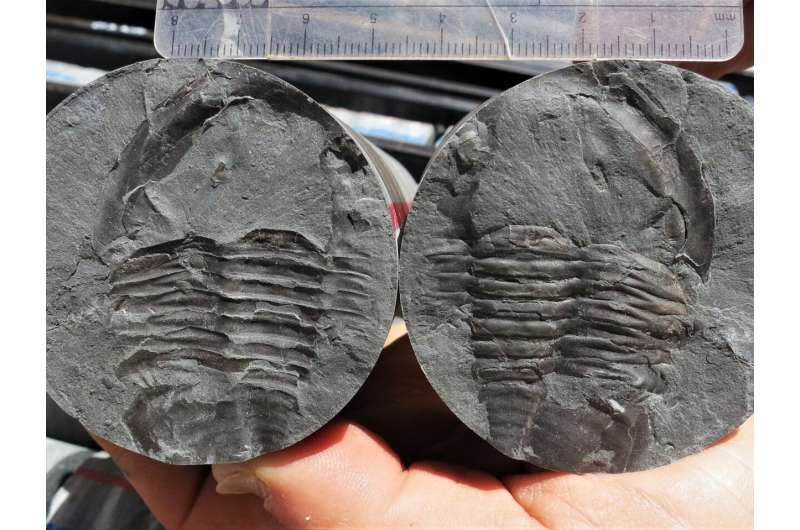
Trilobite Tuesday #47: Six new species of Western Australian trilobites discovered
Phys.org has a story about the discovery of six new species of Australian trilobites. The new animals hail from deep underground in Canning Basin of Western Australia. Their discovery was via a stratigraphic drilling program by the Geological Survey of Western Australia and Geoscience Australia. It sheds light on both ancient life and the geologic…
-
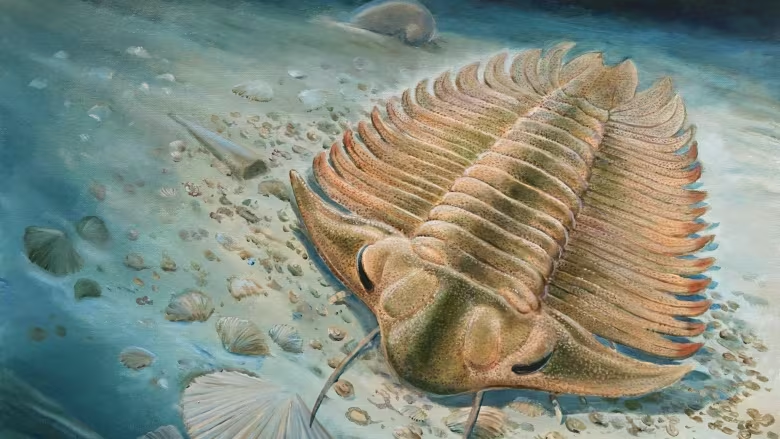
Trilobite Tuesday #46: Trilobite’s last meal
CBC Radio’s Quirks and Quarks show has a segment about a trilobite’s last meal. The trilobite specimen, Bohemolichas incola, was found in a 465 million year old (Ordovician Period) shale deposit. A 465 million year old trilobite fossil with remarkably preserved gut contents reveals for the first time what these extinct arthropods ate. Per Ahlberg, a…
-
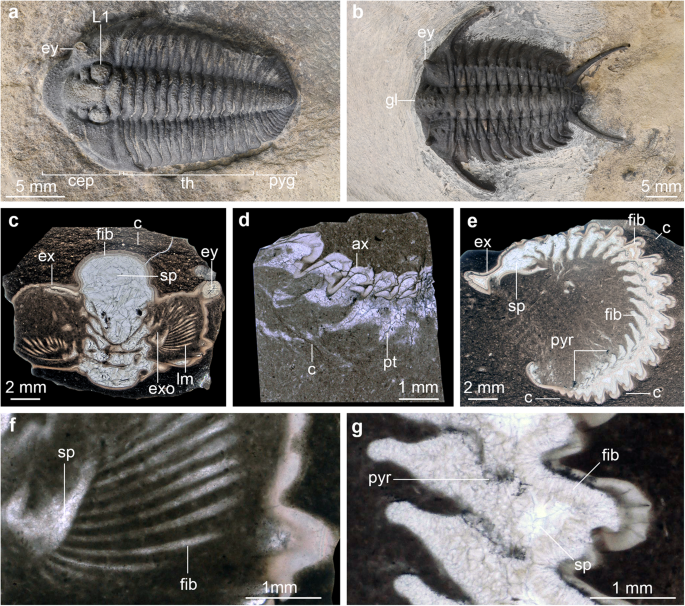
Trilobite Tuesday #45: Taphonomy of non-biomineralized trilobite tissues preserved as calcite casts from the Ordovician Walcott-Rust Quarry, USA
Nature’s journal communication Earth & environment has a paper about the preservation of trilobites in the Wolcott-Rust quarry. The Walcott-Rust quarry was discovered by Charles Wolcott in the 1870’s. It dates to the Ordovician Period and yielded the first known trilobite appendages. This paper details research into the mechanism of the delicate, three dimensional preservation.…
-
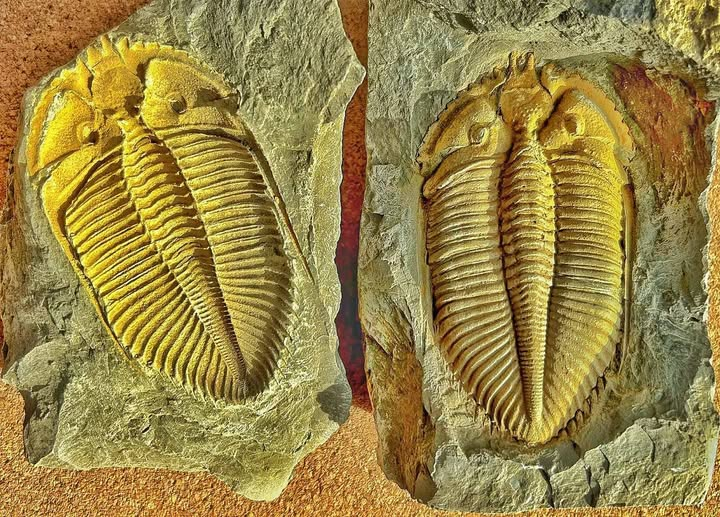
Trilobite Tuesday #44: Trilobite of the Month, August 2023
Sam Ohu Gon III posted some awesome photos for Trilobite of the Month, August 2023 over on Facebook. If you don’t know of Sam’s work, have a look at trilobites.info for everything you ever wanted to know about trilobites!
-
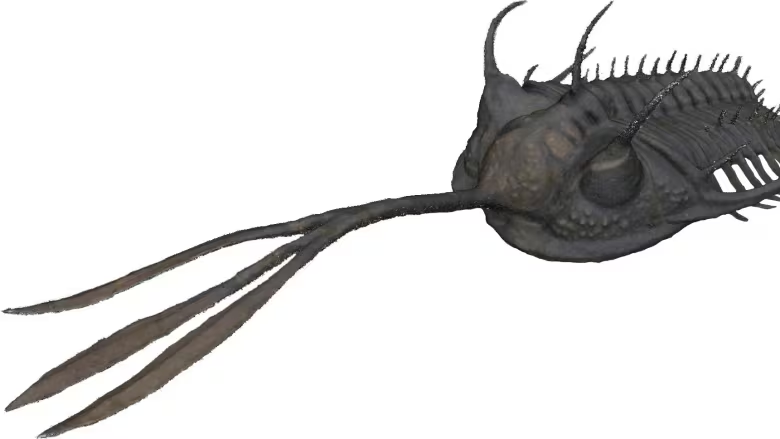
Trilobite Tuesday #43: Ancient sea creature sported a big fork on its head to toss away the competition, study suggests
CBC Radio’s Quirks and Quarks had a recent segment about trilobites. New research published in the journal Proceedings of the National Academy of Sciences suggests a use for the large forks that some trilobites grew on their heads. A species of ancient trilobites grew big forks on their heads to fight their opponents and impress…
-

Trilobite Tuesday #42: Trilobites’ growth may have resembled that of modern marine crustaceans
Phys.org has a story about trilobite growth. Research published in the journal Paleobiology shows that trilobites grew in a fashion similar to modern extant crustaceans. Data for the study came from exceptionally preserved trilobites from “Beechers Trilobite Bed” in upstate New York. For more information about “Beecher’s Trilobite Bed”, have a look at Trilobite Tuesday…
-
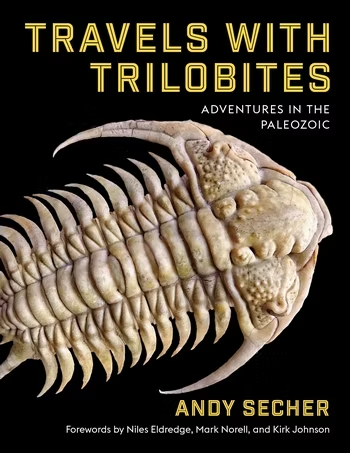
Trilobite Tuesday #41: Travels with Trilobites
There’s a new trilobite book coming out on June 21st, 2022. It’s called “Travels with Trilobites”. The author is Andy Secher a prolific collector of trilobites. He lives in New York City just a few blocks from the American Museum of Natural History. He’s co-editor of the AMNH’s very informative trilobite website. Trilobites were some…
-

Trilobite Tuesday #40: Find the Trilobite!
ESCONI recently held a field trip to the St. Paul Quarry in St. Paul, Indiana. As part of that trip, a few of us paid a visit to the famous St. Leon roadcut on Indiana Route 1 just off Interstate 74 at exit 164 for St. Leon. The road cut is huge and loaded in…
-
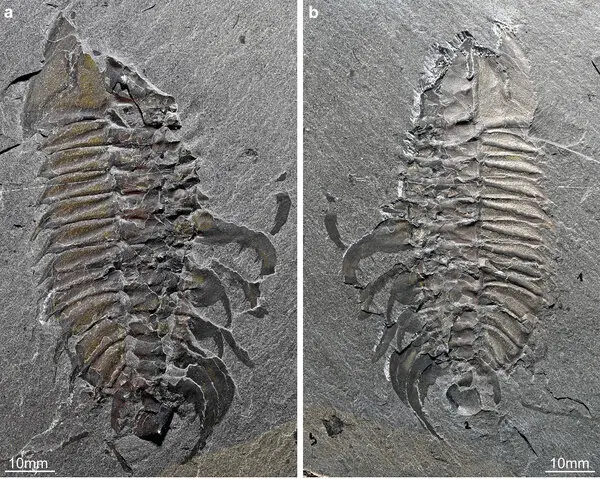
Trilobite Tuesday #39: Before There Were Birds or Bees, This Is How Trilobites Made Babies
The New York Times Trilobites column has a story about trilobite reproduction. Trilobites first show up in the fossil record back in the Cambrian Period, some 500 million years ago. Their closest living relative is most likely the horseshoe crab. Now, a team of paleontologists from Harvard have published a paper in the journal Geology that looks into the…
-
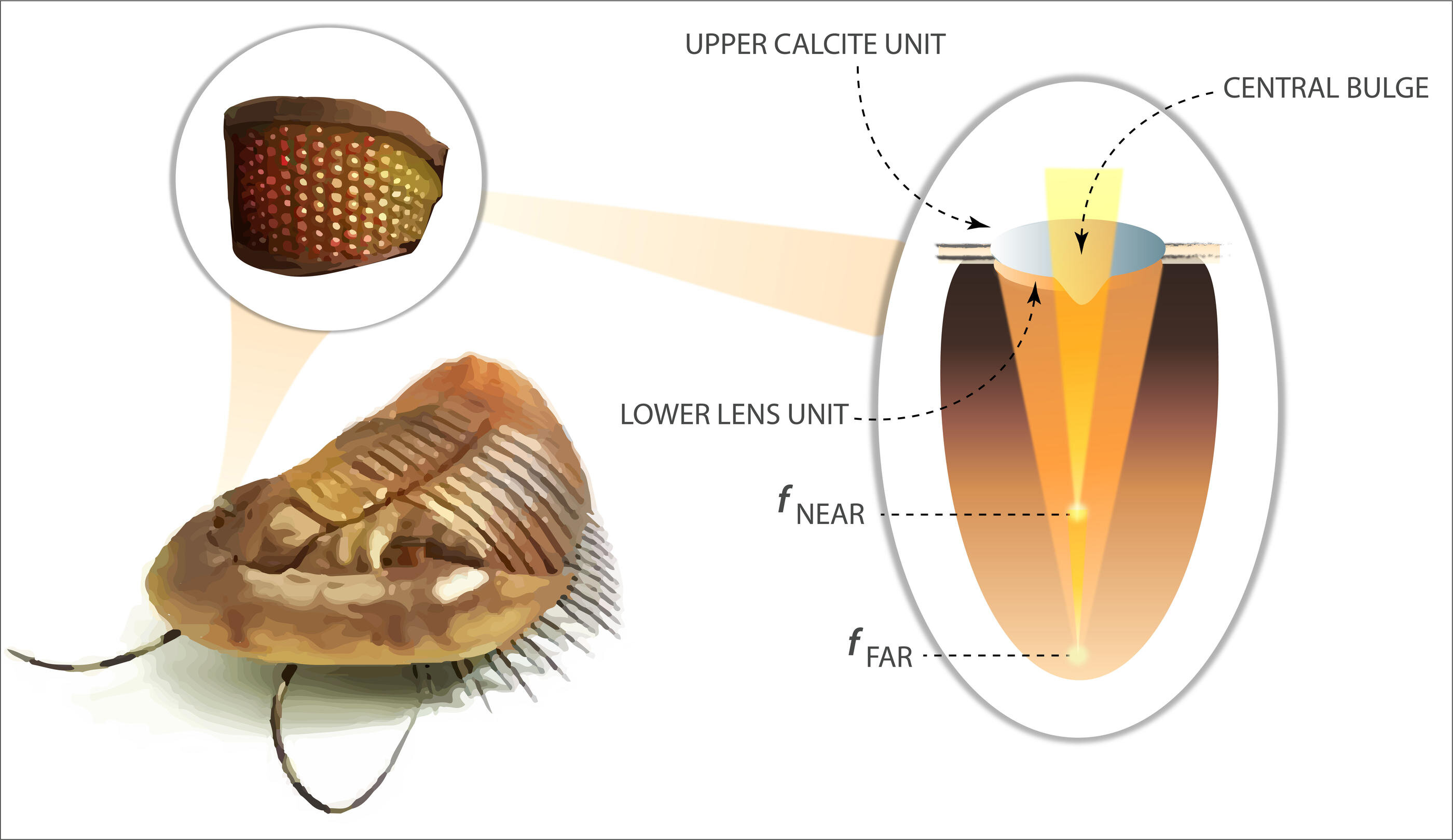
Trilobite Tuesday #38: Inspired by prehistoric creatures, researchers make record-setting lenses
Phys.org has a story about technology derived from fossils. Some researchers at NIST have took inspiration in the eyes of the trilobite Dalmanitina socialis to make special bifocal lenses for a miniature camera. Their work can be found in a recent paper published in the journal Nature Communications. Five hundred million years ago, the oceans…
-
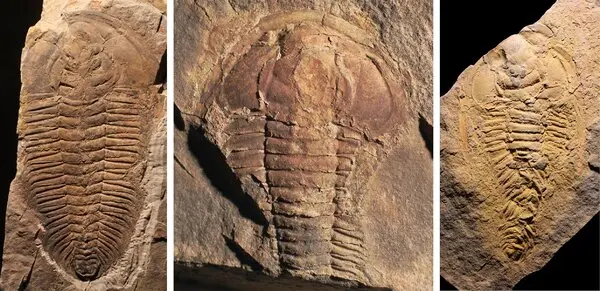
Trilobite Tuesday #37: Trilobite Fossils Suggest Cannibalism Is More Ancient Than Once Thought
The New York Times Trilobites column has a story about cannibalism among trilobites. A new study published in the journal Palaeogeography, Palaeoclimatology, Palaeoecology found evidence of cannibalism in 512 million year old fossils from Emu Bay on Kangaroo Island off the south Australia coast. Cannibalism is common among the millions of modern arthropod species. A…
-

Trilobite Tuesday #36: 7th International Conference on Trilobites & Their Relatives – Cincinnati July 14th to 18th, 2022
The Cincinnati Museum Center is sponsoring the 7th International Conference on Trilobites & Their Relatives from July 14th to 18th, 2022. There are field trips both before and after the conference. A Warm Welcome! Welcome to the 7th International Conference on Trilobites & Their Relatives to be held at Cincinnati Museum Center in Cincinnati, Ohio,…
-

Trilobite Tuesday #35: Ceraurinus icarus
How about a Trilobite Tuesday post? Here is a rare species of trilobite from Indiana, Ceraurinus icarus. This specimen is from the Whitewater Formation in Union Co., Indiana. The pictures were contributed by Dan Damrow. Thanks, Dan! Awesome trilobite!
-
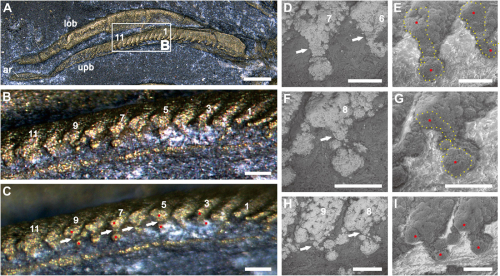
Trilobite Tuesday #34: 450-million-year-old sea creatures had a leg up on breathing
Science Daily has a story about trilobite gills. A paper in Science Advances looked at the limbs of trilobites and found that the biramous legs of the trilobites Triarthrus eatoni and Olenoides serratus functioned as gills in a manner similar to the gills of horseshoe crabs. A new study has found the first evidence of…
-

Trilobite Tuesday #33: Some trilobites crushed their prey to death with their legs
The Science News column from the Natural History Museum in London has a story about trilobites. A new paper by Dr. Greg Edgecombe, a researcher at the museum who focuses on the evolutionary history of arthropods, about how some trilobites fed was published in the Royal Society B. Instead of teeth, it appears that these…
-

Trilobite Tuesday #32: They Put the Bite in Trilobite
The New York Times Trilobites column has an article about predatory trilobites. While we have learned much about trilobites over the many years of study, there are some aspects of their life that we still don’t know. Those unknowns are mostly associated with soft parts like the guts and delicate parts like the legs and…
-
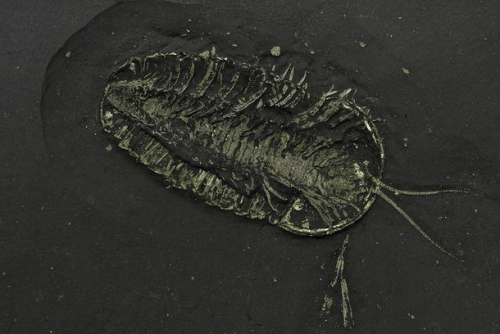
Trilobite Tuesday #31: Sexual Dimorphism / Trilobite Eggs
For many types of animals, there are differences between males and females, sometimes it’s size, sometimes color, and sometimes structure – either or both soft and hard body structures. Unfortunately, color and soft-body structures aren’t usually preserved and even when it’s preserved it doesn’t leave enough information in the fossil record. For size and hard…
-

Trilobite Tuesday #30: How to hunt for fossils in Ohio
Here’s a page that lists some places to find fossils in Ohio. I’m not sure the trilobite on the page is correct… looks like an Elrathia kingii. The one above is from Ohio and is a Flexicalymene. But, the page has a nice list of places to go and what you can find. Trilobites are…
-

Trilobite Tuesday #29: Why did trilobites go extinct?
LiveScience has a piece about the extinction of the trilobites. Trilobites existed on Earth for about 270 million years from the early Cambrian until the Permian Mass Extinction. Many organisms went extinct during that time… perhaps upward of 90% of species. But, it’s still an open question that has not been completely answered. During their…
-
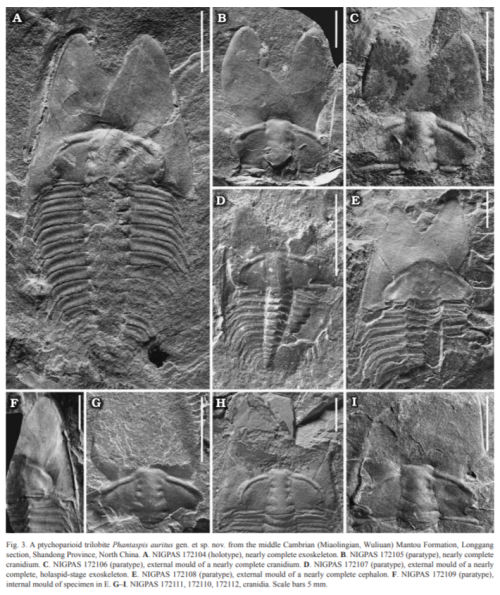
Trilobite Tuesday #28: A new middle Cambrian trilobite with a specialized cephalon from Shandong Province, North China
Acta Palaeontologica Polonica has a that describes newly discovered trilobites from the Middle Cambrian of Northern China. These trilobites had a strangely lobed cephalon that suggests “rabbit ears”. Actually, the species name Phantaspis auritus comes from the Latin aurītus, having ears; in reference to the cranidium having a pair of long “ears”. Trilobites achieved their maximum generic…
-

Trilobite Tuesday #29: Enrolled Isotelus
“Fossil Friday” post #29 is about an enrolled Isotelus. For this Fossil Friday, we are highlighting a specimen of Isotelus . Isotelus is a genus of asaphid trilobites that lived during the middle and upper Ordovician period. This little guy is enrolled and hails from the state of Ohio, where this species, Isotelus maximus, is the state fossil. One of the…
-

Trilobite Tuesday #27: 10 Terrific Facts About Trilobites
Mental Floss has a post about trilobites. Here are some highlights. Check out the details here!
-
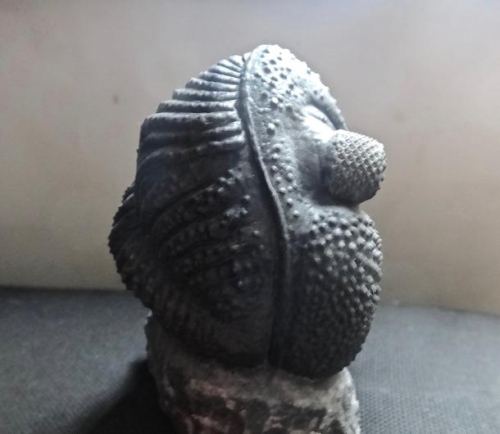
Trilobite Tuesday #26: Trilobite Enrollment
As we’ve said previously, the AMNH has an awesome Trilobite website. Today, we want to highlight the one about Trilobite Enrollment. It is generally accepted that trilobites enrolled to protect themselves from predators and other potentially other events in the surrounding environment. This page has a good discussion about the history and the usefulness of…
-
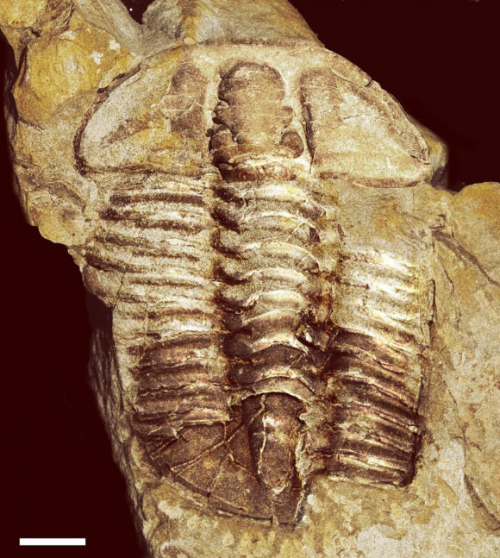
Trilobite Tuesday #25: Fossils of New Trilobite Species Found in Tasmania
SciNews has a piece about a new species of trilobites from Tasmania. A new species of the genus Gravicalymene has been named. It’s called Gravicalymene bakeri after the actor Thomas Stewart Baker, the fourth actor to play the title character in the television series “Doctor Who”. This animal lived about 450 million years ago during…
-
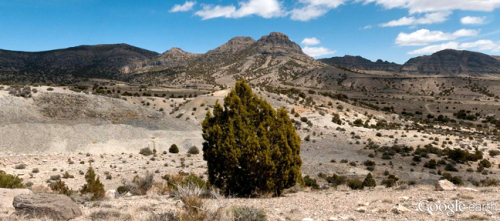
Trilobite Tuesday #24: Fossils In Millard County, Utah by Rich Holm
While doing some research during my recent trip to Utah, I ran across a very interesting page on the fossils of Millard County, Utah. It’s a great report of a couple field trips in this area of Utah. We stayed in Delta, Utah, which is a great place to stay to explore this area. The…

