Month: December 2023
-

New Herbivorous Dinosaur Species Identified in Canada
SciNews has a post about a new dinosaur from Canada. Gremlin slobodorum lived about 77 million years ago during the late Cretaceous Period. It’s a leptoceratopsid, which is a hornless dinosaur related to Triceratops. The animal lived what is now southern Alberta, Canada. The dinosaur was described in “A new Late Cretaceous leptoceratopsid (Dinosauria: Ceratopsia)…
-

1.1 Billion Objects and Counting: Inside the Effort to Tally Natural History Specimens Around the Globe
Smithsonian Magazine has an interesting article about the effort to count the world’s museum collections. With more than 148 million specimens and objects ranging from pocket-sized shrews and glimmering crystals to petrified tree trunks and giant squid, the National Museum of Natural History holds a sprawling account of how Earth has changed over the past 4.5 billion…
-

Fossil Friday #193: Dunbarella sp. From Danville
This is the “Fossil Friday” post #193. Expect this to be a somewhat regular feature of the website. We will post any fossil pictures you send in to esconi.info@gmail.com. Please include a short description or story. Check the #FossilFriday Twitter hash tag for contributions from around the world! I’m not sure how tasty scallops from…
-
Throwback Thursday #194: Rockhound Terms
This is Throwback Thursday #194. In these, we look back into the past at ESCONI specifically and Earth Science in general. If you have any contributions, (science, pictures, stories, etc …), please send them to esconi.info@gmail.com. Thanks! This “Glossary of Rockhound Terms” appeared in the September 1993 newsletter. The Rocket City Rocks & Gems refers…
-
Could dinosaurs be the reason humans can’t live for 200 years?
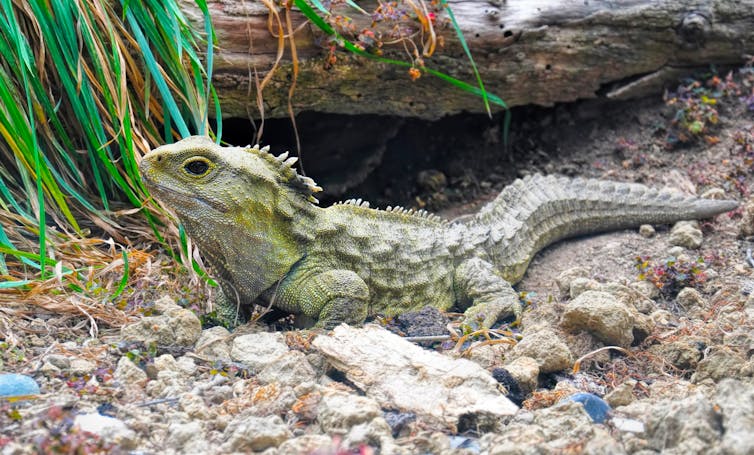
The Conversation has an interesting post about the evolution of mammals. Did being small during the time of dinosaurs lead to limitations on how long mammals live? Mollusks, reptiles, and Greenland Sharks have been found to live 100’s of years. Actually, many animals don’t age and continue to grow throughout their lifetimes. All human beings…
-

Trilobite Tuesday #48: Rare museum specimen reveals new insights into how trilobites curled themselves into a ball
Phys.org has a story that shed light how trilobites evolved the ability to enroll their bodies for protection against predators. A team of researchers from Harvard examined a museum specimen that had preserved sternites, where were plates that lined the stomach of trilobites. Using micro-CT scans, the researchers could see how the plates slid past…
-

Mazon Monday #196: 1939 Season’s Greetings from the Langfords!
This is Mazon Monday post #196. What’s your favorite Mazon Creek fossil? Tell us at email:esconi.info@gmail.com. George Langford, Sr. (1876-1964) was a prolific collector of Mazon Creek fossils. He collected and then sold or donated multiple collections of Mazon Creek fossils. The fossils he collected in various museums around the country including Illinois State Museum…
-

Mysterious fruit found to be the oldest known fossils of the Frankincense and Myrrh family
Phys.org has a story about the identification of some Indian plant fossils as ancestors of the Frankincense and Myrrh family. The fossils were discovered in an Indian village in the early 1970’s. Recently. researchers at the Florida Museum of Natural History performed CT scans on these fossils. The scans revealed pyrenes. Pyrenes are woody dispersal…
-

PBS Eons: Why Only Earth Has Fire
PBS Eons has a new episode. This one is about the evolution of our planet’s atmosphere and how life makes fire possible. To get fire, which exists only on Earth, it took billions of years of photosynthesis – which means fire can’t exist without life. And fire and life have been shaping each other ever…
-
Fossil Friday #192: Palaeoxyris lewisi
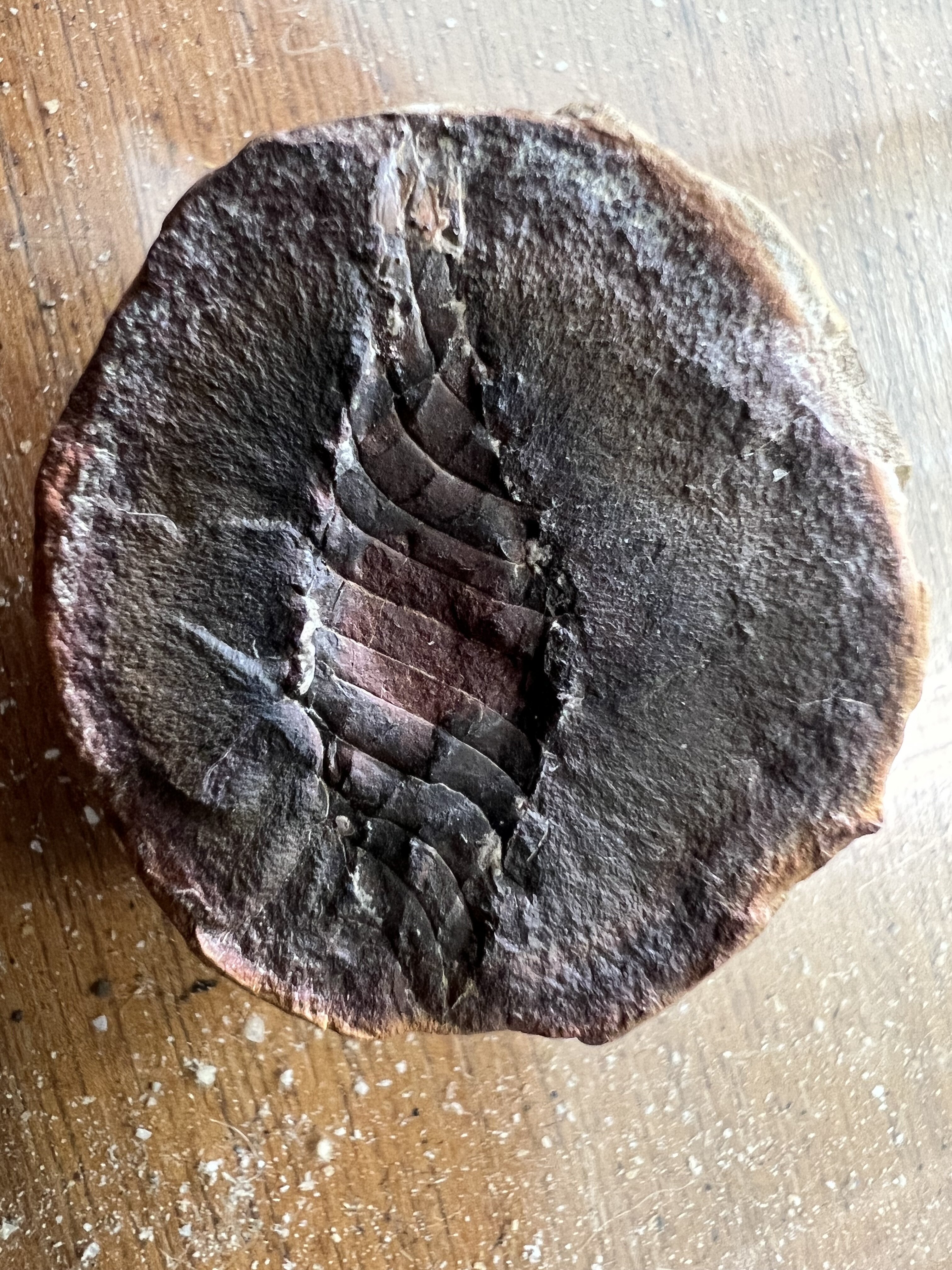
This is the “Fossil Friday” post #192. Expect this to be a somewhat regular feature of the website. We will post any fossil pictures you send in to esconi.info@gmail.com. Please include a short description or story. Check the #FossilFriday Twitter hash tag for contributions from around the world! Shark egg cases are back on the…
-
Throwback Thursday #193: Poem “Coal Age”
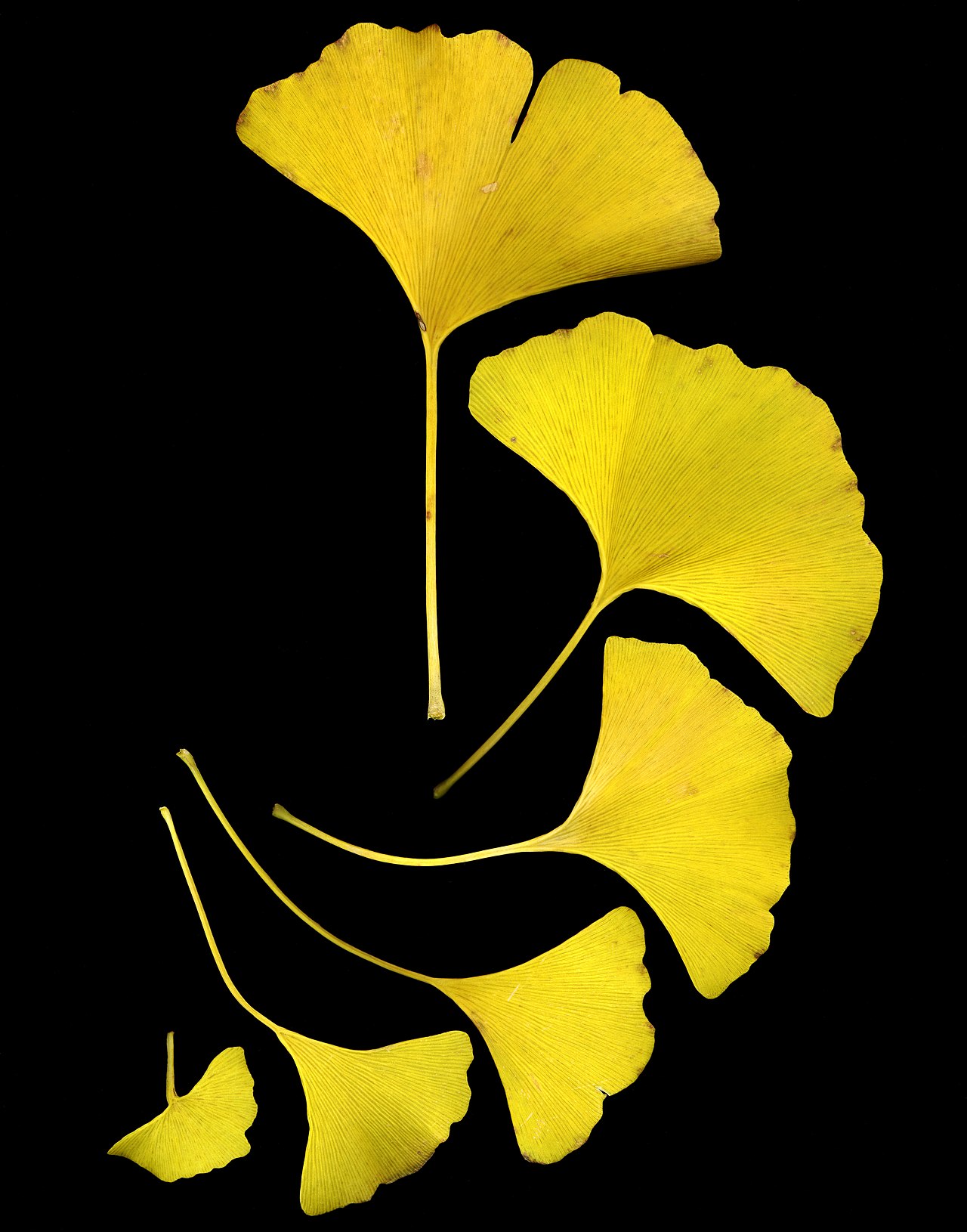
This is Throwback Thursday #193. In these, we look back into the past at ESCONI specifically and Earth Science in general. If you have any contributions, (science, pictures, stories, etc …), please send them to esconi.info@gmail.com. Thanks! Today, we step back to a little poem called “Coal Age”, which appeared in the February 1950 edition…
-
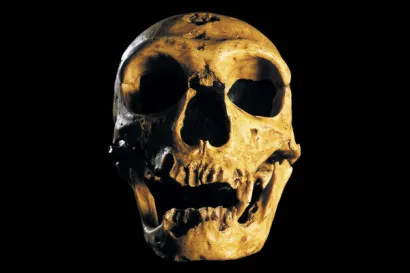
Morning Person? You Might Have Neanderthal Genes to Thank
Javier Trueba/MSF, via Science Source Carl Zimmer has an interesting article about genetics over on his Origins column at the New York Times. A recent paper in the journal Genome Biology and Evolution derails generic research that suggests some of our circadian traits might come from Neanderthal genes. Modern humans and the ancient humans that…
-
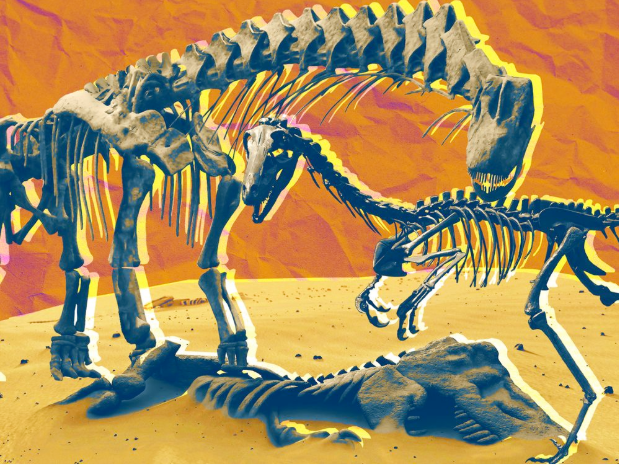
The Top Ten Dinosaur Discoveries of 2023
Ten big dinosaur discoveries stood out in 2023. Smithsonian Magazine has a list of 10 of the most intriguing dinosaur discoveries in 2023. Check out the link for the details.
-
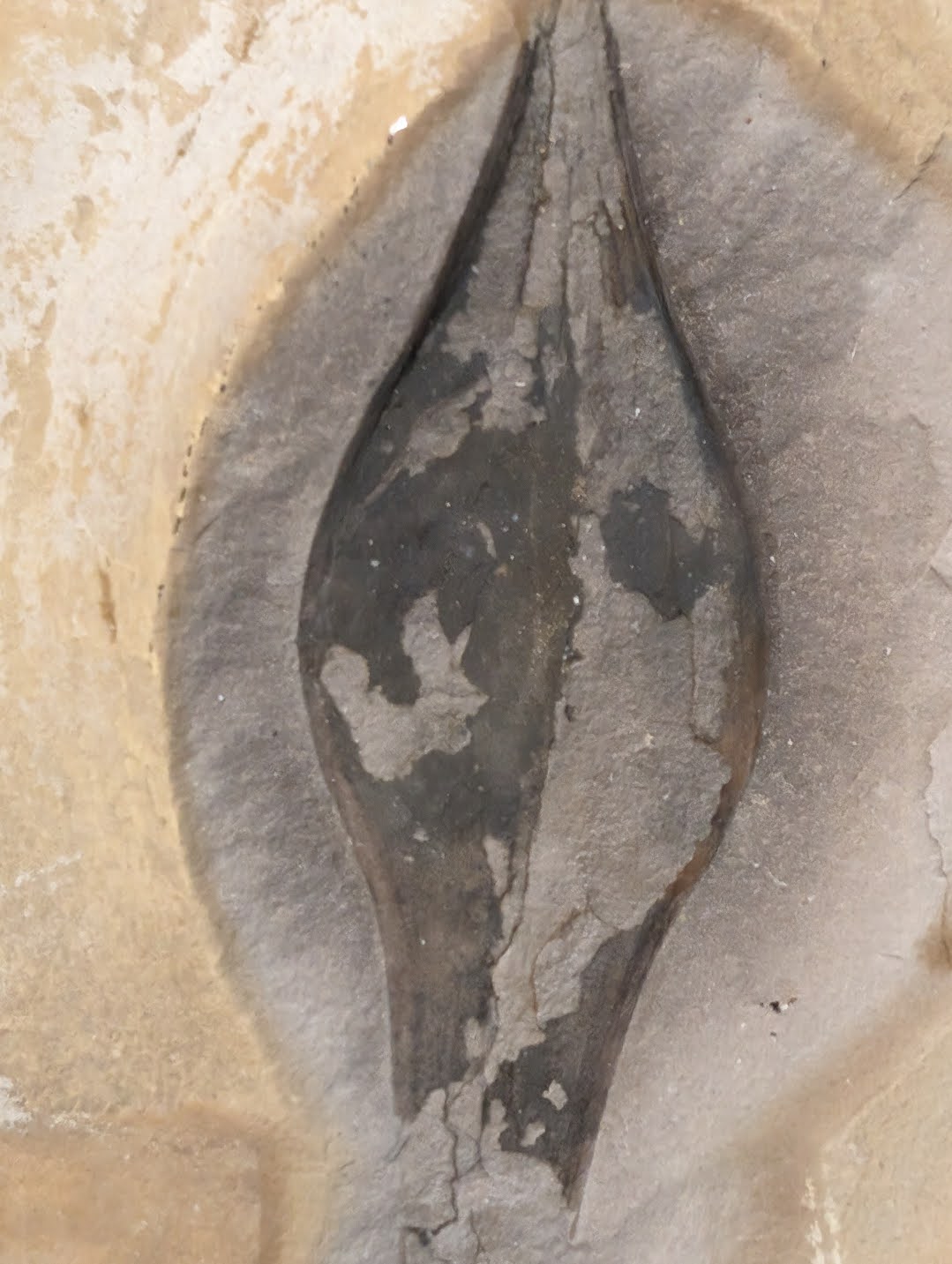
Mazon Monday #195: Vetacapsula cooperi
This is Mazon Monday post #195. What’s your favorite Mazon Creek fossil? Tell us at email:esconi.info@gmail.com. Vetacapsula cooperi is a very rare shark egg case from the Pennsylvanian Period. It was originally described by Robert Crookall (1890-1981) in 1928. In the late 1920’s, Crookall took a deep look at Carboniferous shark egg cases, then classified…
-

Fossil Hunter Pulls Massive Mammoth Jawbone Out of Florida River
The jawbone likely belonged to a Columbian mammoth. Fossil Junkies via Facebook Smithsonian Magazine has a story about the discovery of a Mammoth jawbone in Florida. The bone was found in the Peace River near Arcadia, Florida. The Peace River is known for producing fossils from the Pleistocene. The bone is probably 10,000 years old and likely…
-

Netflix “Life on Our Planet”: Watch ancient, giant millipede the size of a car brought back to life in remarkable reconstruction
LiveScience has a post about Netflix’s “Life on Our Planet”. It’s a nature show narrated by Morgan Freeman. They take a look at the history of life on planet Earth with clips of current animals and plants. The show became available in late October 2023. It has stunning graphics and special effects. There’s a great…
-
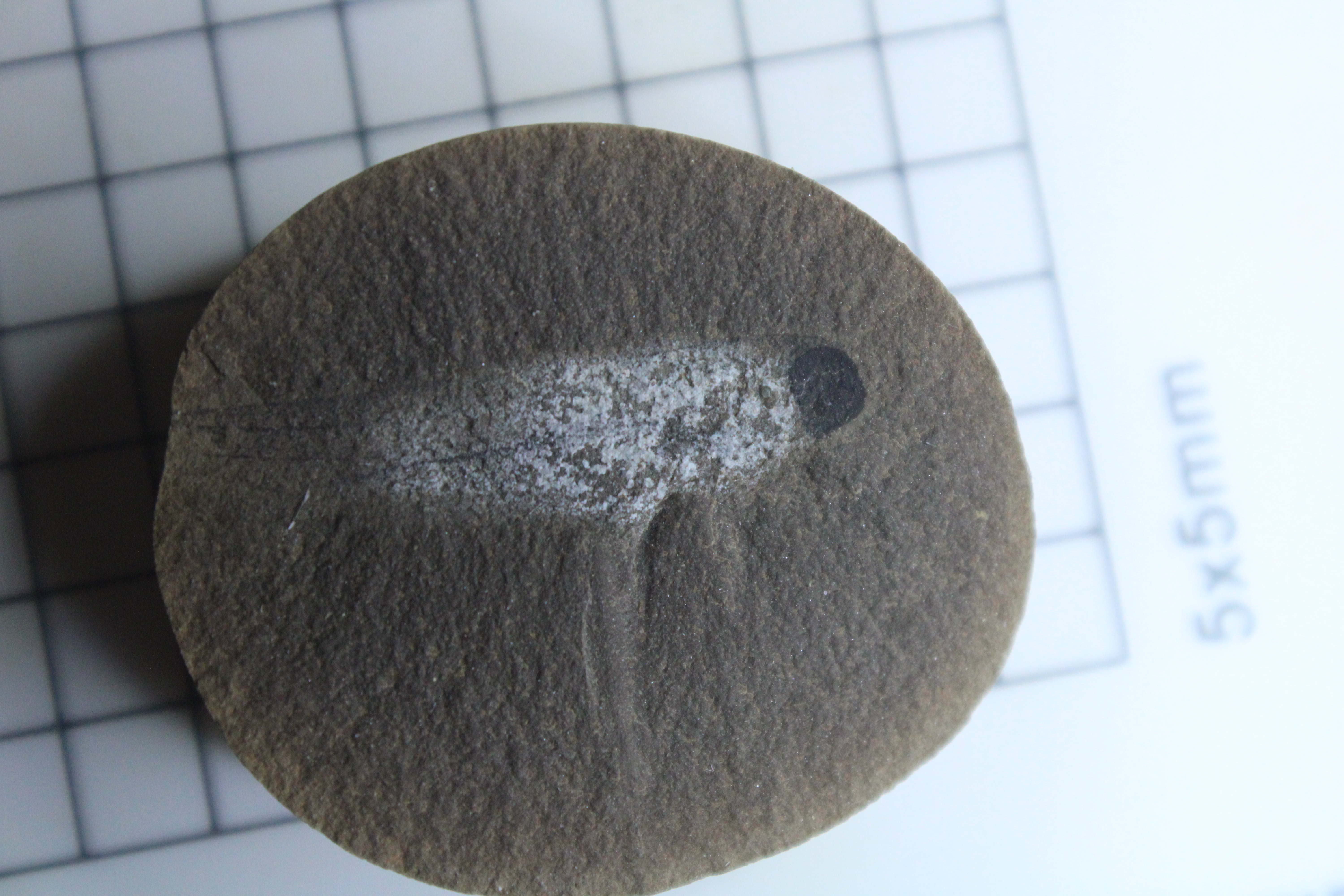
Fossil Friday #191: Acanthodes beecheri
This is the “Fossil Friday” post #191. Expect this to be a somewhat regular feature of the website. We will post any fossil pictures you send in to esconi.info@gmail.com. Please include a short description or story. Check the #FossilFriday Twitter hash tag for contributions from around the world! For this week’s Fossil Friday, we have…
-
Throwback Thursday #192: December 1953 Mazon Creek Facet
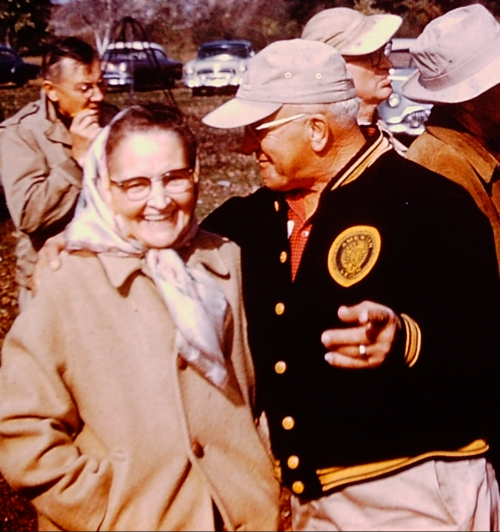
This is Throwback Thursday #192. In these, we look back into the past at ESCONI specifically and Earth Science in general. If you have any contributions, (science, pictures, stories, etc …), please send them to esconi.info@gmail.com. Thanks! In the 1950’s, the newsletter had a regular feature called “Facets”. The entries were small bits of generally…
-
BBC: Pliosaur discovery: Huge sea monster emerges from Dorset cliffs
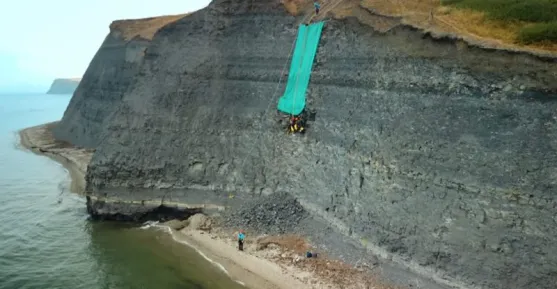
The BBC has the fascinating story of the discovery of a truly massive pliosaur. A fossil collector, searching the cliffs of Dorset, England, found the tip of the snout of huge pliosaur skull last year. The animal, a pliosaur, lived anount 150 million years ago during the Jurassic Period. The full skull, recovered from the…
-

CBC Quirks & Quarks: A young carnivorous dinosaur’s last meal
A fossil has revealed that a juvenile Gorgosaurus fed on smaller bird-like dinosaurs, a diet that’s different from their adult counterparts, Alberta scientists say. (Julius Csotonyi/Royal Tyrrell Museum of Palaeontology) CBC Radio’s Quicks & Quarks podcast has a piece about tyrannosaurs. A juvenile Gorgosaurus, Gorgosaurus libratus, from Alberta, who lived about 75 million years ago, has…
-

Mazon Monday #194: Mazon Creek Census
This is Mazon Monday post #194. What’s your favorite Mazon Creek fossil? Tell us at email:esconi.info@gmail.com. The September 1978 edition of the Field Museum Bulletin had a article by Gordon Baird about his project to survey Mazon Creek fossil localities across Will, Grundy, Livingstone, and Kankakee Counties in Illinois. Almost 300,000 concretions were collected from…
-
Fossil find in northwest Iowa is one of a kind
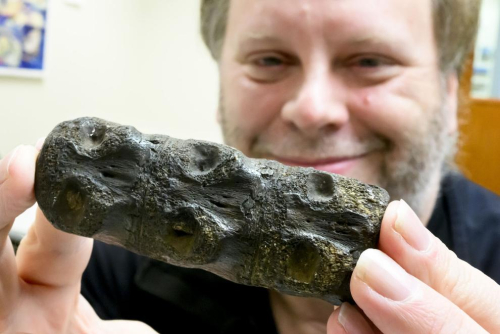
Kurt Spearing, an associate professor of natural and mathematical sciences at Morningside University, displays three vertebra from a mosasaur The Sioux City Journal has a story about the discovery of a mosasaur vertebral segment in Iowa. The fossil is about 4 inches long and consists of three fused vertebrae. It was found by Tyler McDonald…
-
PBS Eons: Beans & Bees (Not Bats) Gave Us Butterflies
PBS Eons has a new episode. This one is about the origin of butterflies. Turns out, instead of having bats to thank for the existence of butterflies, the groups we should actually be thanking are…bees and beans.
-
Fossil Friday #190: Squirmarius testai
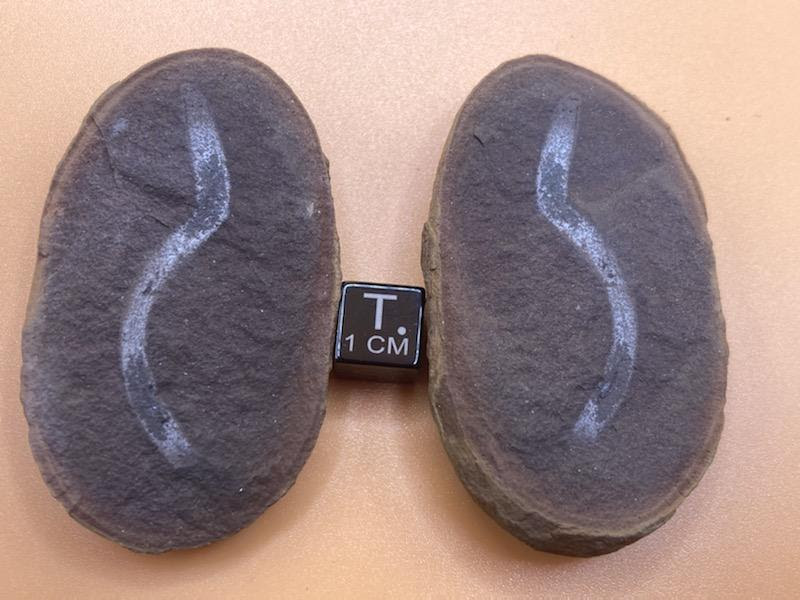
This is the “Fossil Friday” post #190. Expect this to be a somewhat regular feature of the website. We will post any fossil pictures you send in to esconi.info@gmail.com. Please include a short description or story. Check the #FossilFriday Twitter hash tag for contributions from around the world! Squirmarius testai is up this week. It’s…
-

Throwback Thursday #191: Looking Back At ESCONI for December 2023
This is Throwback Thursday #191. In these, we look back into the past at ESCONI specifically and Earth Science in general. If you have any contributions, (science, pictures, stories, etc …), please send them to esconi.info@gmail.com. Thanks! 25 Years Ago – December 1998 50 Years Ago – December 1973 70 Years Ago – December 1953
-
ESCONI December 2023 General Meeting – Friday, December 8th, 2023 at 8:00 PM via Zoom – “Ancient Forest Pests: Plant-Insect Interactions in the Fossil Record”
The December 8, 2023 General Meeting presentation will be held via Zoom: Michael Donovan, Collections Manager, Paleobotany at the Field Museum will present “Ancient Forest Pests: Plant-Insect Interactions in the Fossil Record”. Description: Plants and insects are the most diverse multicellular organisms on Earth, and their abundant interactions are fundamental components of ecosystems on land.…
-
135-Million-Year-Old Footprints Reveal New Dinosaur Species
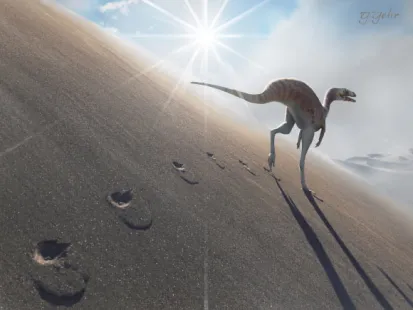
SciNews has a story about a new dinosaur species. The animal, Farlowichnus rapidus, lived about 135 million years ago during the Cretaceous Period. The name Farlowichnus was selected to honor Professor James Farlow, a paleontologist and ichnologist at Purdue University in Indiana. Footprints were found in the Botucatu Formation just outside Sao Paulo, Brazil. The…
-

Mazon Monday #193: A reappraisal of Nemavermes mackeei from the Mazon Creek fossil site expands Carboniferous cyclostome diversity
This is Mazon Monday post #193. What’s your favorite Mazon Creek fossil? Tell us at email:esconi.info@gmail.com. The Mazon Creek fossil family has a new member… Squirmarius testai. It was described in the paper “A reappraisal of Nemavermes mackeei from the Mazon Creek fossil site expands Carboniferous cyclostome diversity“. The paper’s lead author is Victoria McCoy,…
-
New study shows ancient Europe was not all forest, half was covered in grassland
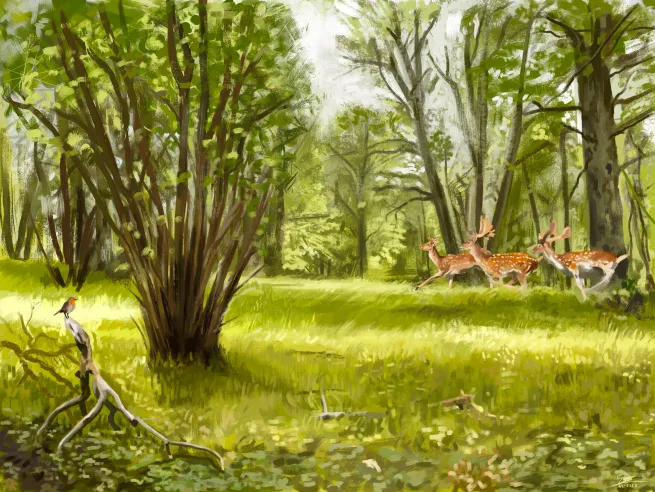
Palaeoartistic reconstructions of Last Interglacial landscapes in the European temperate forest biome, consistent with our pollen-based estimates of vegetation structure. Credit: Brennan Stokkermans Phys.org has a story about ancient Europe. A recent paper in the journal Science Advances looked at pollen samples from various sites across Europe to determine the distribution of plants during the…
-
Paleontology Is Far More Than New Fossil Discoveries: Understanding the ancient past is critical to responding to challenges we face in the future
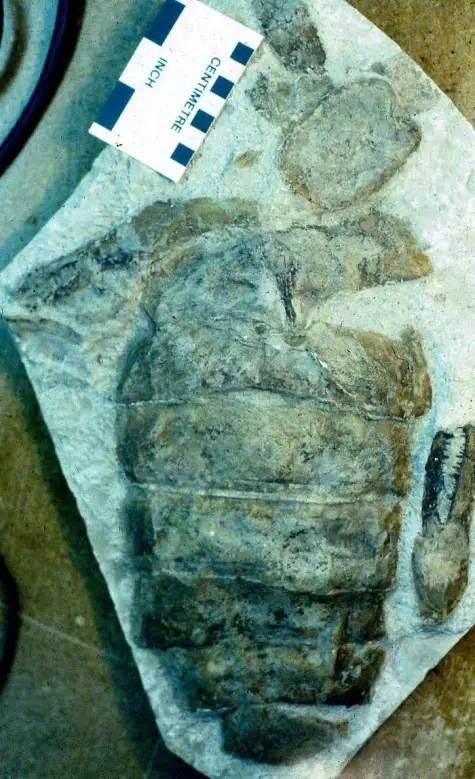
Roy Plotnick has a new article over on Medium. It details the importance of Paleontology in the pantheon of science. Paleontology isn’t just fossils and dinosaurs…. it’s critical science needed to understand how the planet has and is changing. In this time of climate change, the knowledge it provides is vital to understanding of where…
