Month: August 2020
-

Mazon Monday #23: Interesting Pennsylvanian Fossil Sites: Crock Hey, Lancashire, UK
This is Mazon Monday post #23. What’s your favorite Mazon Creek fossil? Tell us at email:esconi.info@gmail.com. In Mazon Monday #10, we discussed localities where siderite preservation of Pennsylvanian fossils has been found. There were a few localities listed. Here is more information about the site called Crock Hey (also Crockhey). This site was located near Lancashire in…
-
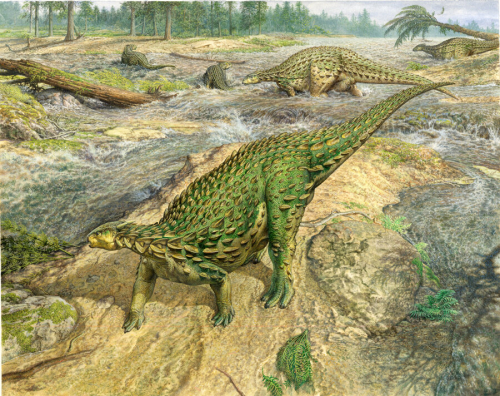
First complete dinosaur skeleton ever found is ready for its closeup at last
Phys.org has a story about a complete dinosaur found on west Dorset’s Jurassic Coast. The skeleton was collected 160 years ago was sent to Richard Owen at the British Museum. The animal lived around 193 million years ago during the early Jurassic Period. The new research was published in the journal Zoological Journal of the…
-

PBS Eons: The Oddest Couple in the Fossil Record
PBS Eons has a new episode over on Youtube. This one is about an interesting fossil of two early mammals that were entombed together for nearly 250 million years. To figure out how Thrinaxodon and Broomistega became entombed together, scientists looked at the burrow itself, along with their fossilized bones. And it looks like…
-

Fossil Friday #20: Blastoids!
This is the “Fossil Friday” post #20. Expect this to be a somewhat regular feature of the website. We will post any fossil pictures you send in to esconi.info@gmail.com. Please include a short description or story. Check the #FossilFriday Twitter hash tag for contributions from around the world! Today, we have a real treat… blastoids. …
-
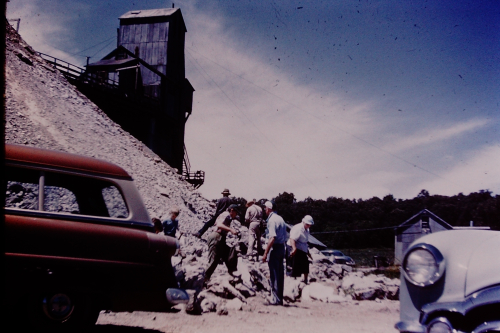
Throwback Thursday #22: Field Trip To Lutz Quarry Near Oshkosh, WI in 1954
This is Throwback Thursday #22. In these, we look back into the past at ESCONI specifically and Earth Science in general. If you have any contributions, (science, pictures, stories, etc …), please send them to esconi.info@gmail.com. Thanks! These are pictures of a field trip to Lutz Quarry near Oskosh Wisconsin in 1954. Lutz Quarry had…
-

ESCONI Events September 2020
Field trips require membership, but visitors are welcome at all meetings! Fri, Sept 11th ESCONI General Meeting 8:00 PM Zoom – Topic: “Carboniferous Fossils Reveal How Fishes Evolve, and How They Don’t” by Dr. Lauren Sallan from the University of Pennsylvania. Zoom link Sat, Sept 12th ESCONI Field Trip to Cheney Limestone in Bellevue, MI –…
-
Trilobite Tuesday #20: The Trilobite Papers
The Trilobite Paper website has pdfs of the “Trilobite Papers 20” newsletters from August 2018 to February 2020. The newsletter is Fred Sundberg’s “reboot” of Rolf Ludvingsen’s international journal for and by trilobite paleontologists. The issues are published about every six months and are filled with everything trilobite. Rolf Ludvingsen was a paleontologist and author,…
-
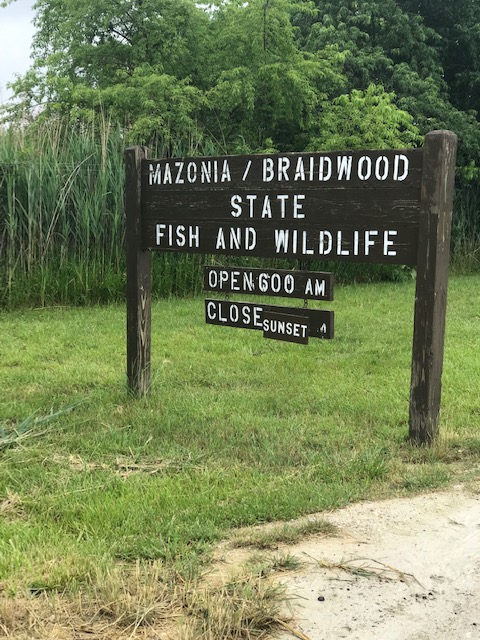
Mazon Monday #22: Pit 11
This is Mazon Monday post #21. What’s your favorite Mazon Creek fossil? Tell us at email:esconi.info@gmail.com. Summer is passing into September and the temperature should should be cooling. Unfortunately, the overgrowth isn’t going to diminish until next spring. However, Pit 11 doesn’t close to fossil hunting until September 30th. So, It’s time to repeat this article…
-
ESCONI September 2020 Paleo Meeting – September 19, 2020 – Brag Night!
September 19, 2020, Paleontology Study Group Meeting John A. Catalani We are going to have a Paleo Study Group meeting on Saturday Sept. 19 beginning at 7:30 p.m on Zoom. The plan is to have members present their fossil finds collected since the last “Brag Night” meeting of Sept. 2019. It would be best to…
-
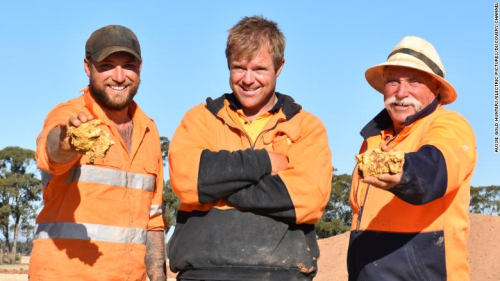
Two giant gold nuggets worth $250,000 found in Australia
CNN has a story about the discovery of two giant gold nuggets. Collectively, the nuggets weigh about 7.7 lbs (3.5 kg) and are worth about $250,000. Gold diggers in southern Australia have found two huge nuggets worth $350,000 AUD ($250,000 USD) in historic goldfields. The pair of nuggets weigh in at a combined 3.5 kilograms (7.7 pounds)…
-
PBS Eons: How We Figured Out Fermentation
PBS Eons has an episode on how we discovered beer, pickles and much, much, more! Thanks to a recent adaptation, instead of getting sick from the boozy, fermented fruits, one of our primate ancestors could digest them safely, and get more calories at the same time. This new superpower would open up a whole…
-
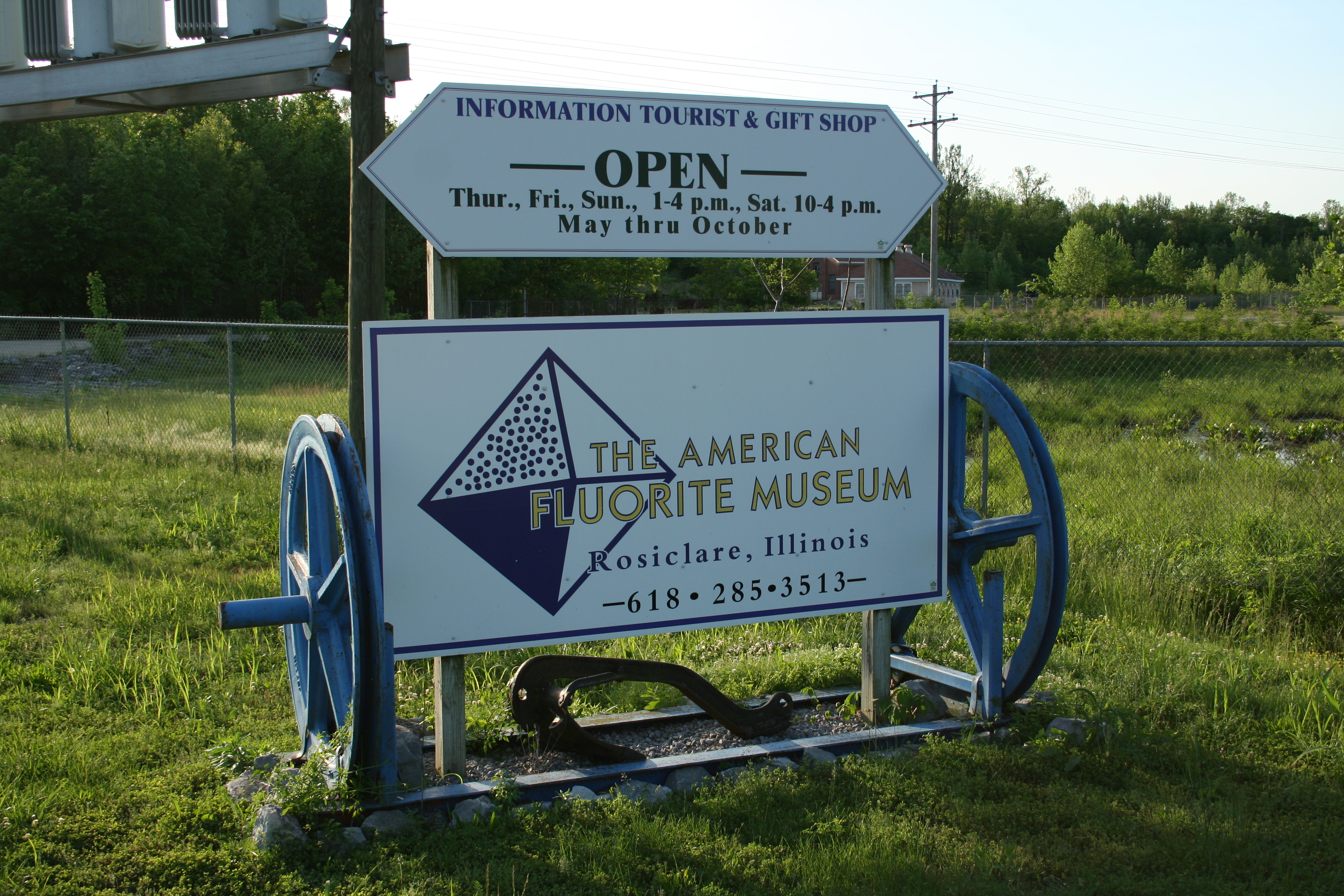
Throwback Thursday #21: Field Trip To Rosiclare For Fluorite April 25th 1958
This is Throwback Thursday #21. In these, we look back into the past at ESCONI specifically and Earth Science in general. If you have any contributions, (science, pictures, stories, etc …), please send them to esconi.info@gmail.com. Thanks! Fluorite is the Illinois State Mineral. For a while, ESCONI had field trips to southern Illinois to collect…
-

ESCONI Field Trip to Braceville – Saturday, September 19th and Sunday September 20th, 2020
Braceville Field Trip Rules – Sept 2020 The ESCONI field trips to Braceville for Mazon Creek fossils are set for Sept 19 and 20, 2020 from 8 AM to 2 PM. You can attend either (but not both) day(s). There is an attendance limit of 50 people each day. If you are sick, have any…
-
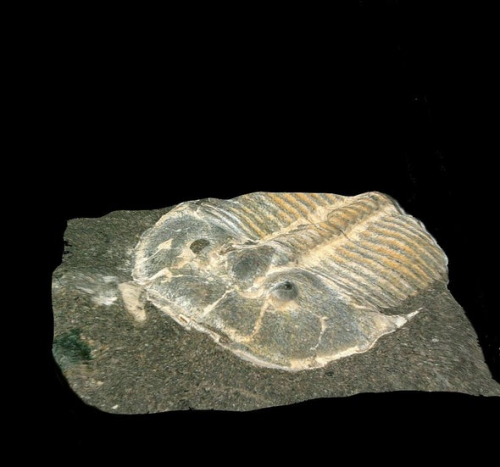
Trilobite Tuesday #19: A 429-Million-Year-Old Trilobite Had Eyes like Those of Modern Bees
Scientific American has a story about trilobite eyes. In a 429 million year old fossil trilobite fossil, scientists from the University of Edinburgh in Scotland got a glimpse at how the world looked to these ancient animals. A remarkably preserved specimen of Aulacopleura koninckii showed that these animals had eyes that were about as good…
-
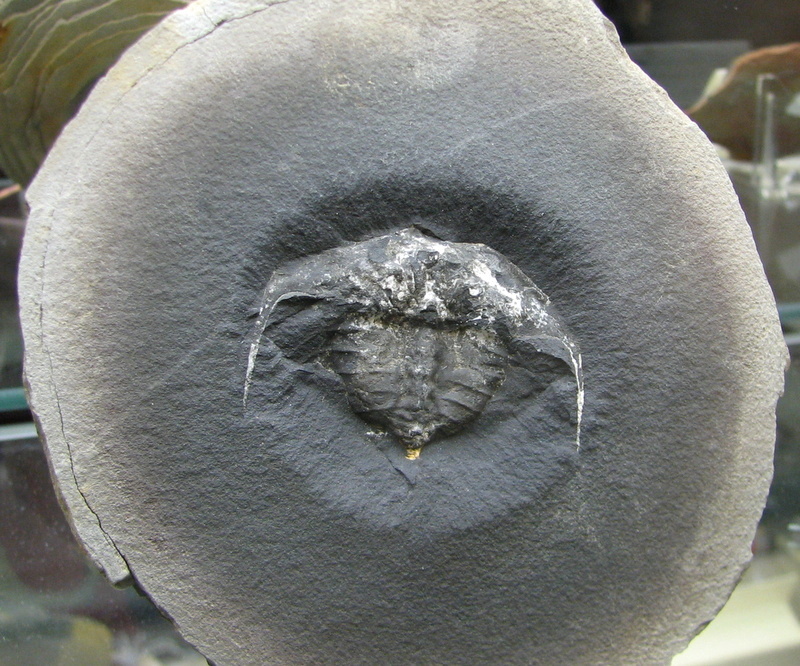
Mazon Monday #21: Euproops danae
This is Mazon Monday post #21. What’s your favorite Mazon Creek fossil? Tell us at email:esconi.info@gmail.com. Euproops was a horseshoe crab. There are two species of horseshoe crab found in the Mazon Creek biota, Euproops danae (common) and Paleolimulus sp. (extremely rare). Both are known from other Carboniferous fossil localities around the world. As you…
-
Sand: What’s It Really Made Of?
Gimlet’s podcast “Every Little Thing” has an interesting episode about sand… what it is and where it comes from. Caller Hank wants to know where the sand on his central California beach came from. ELT gets the surprising scoop on how beaches are born. Guest: Kiki Patsch, California State University Channel Islands. Special thanks to Gary…
-
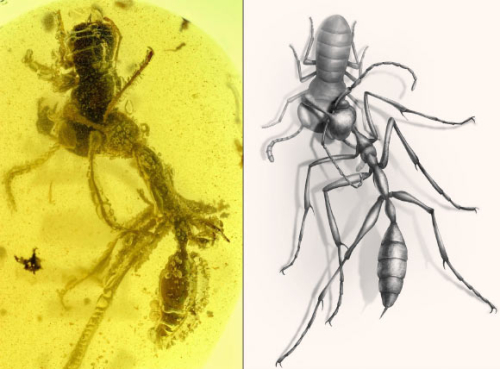
99-Million-Year-Old ‘Hell Ant’ Attack Captured in Amber
SciNews has a story about an interesting ant found in amber. Found in Burma, the “hell ant” (Ceratomyrmex ellenbergeri) lived during the Cretaceious Period about 78 million years ago. The “hell ants” due to their horn-like appendages on their head. Details can be found in a paper in the journal Current Biology. “Fossilized behavior is exceedingly…
-
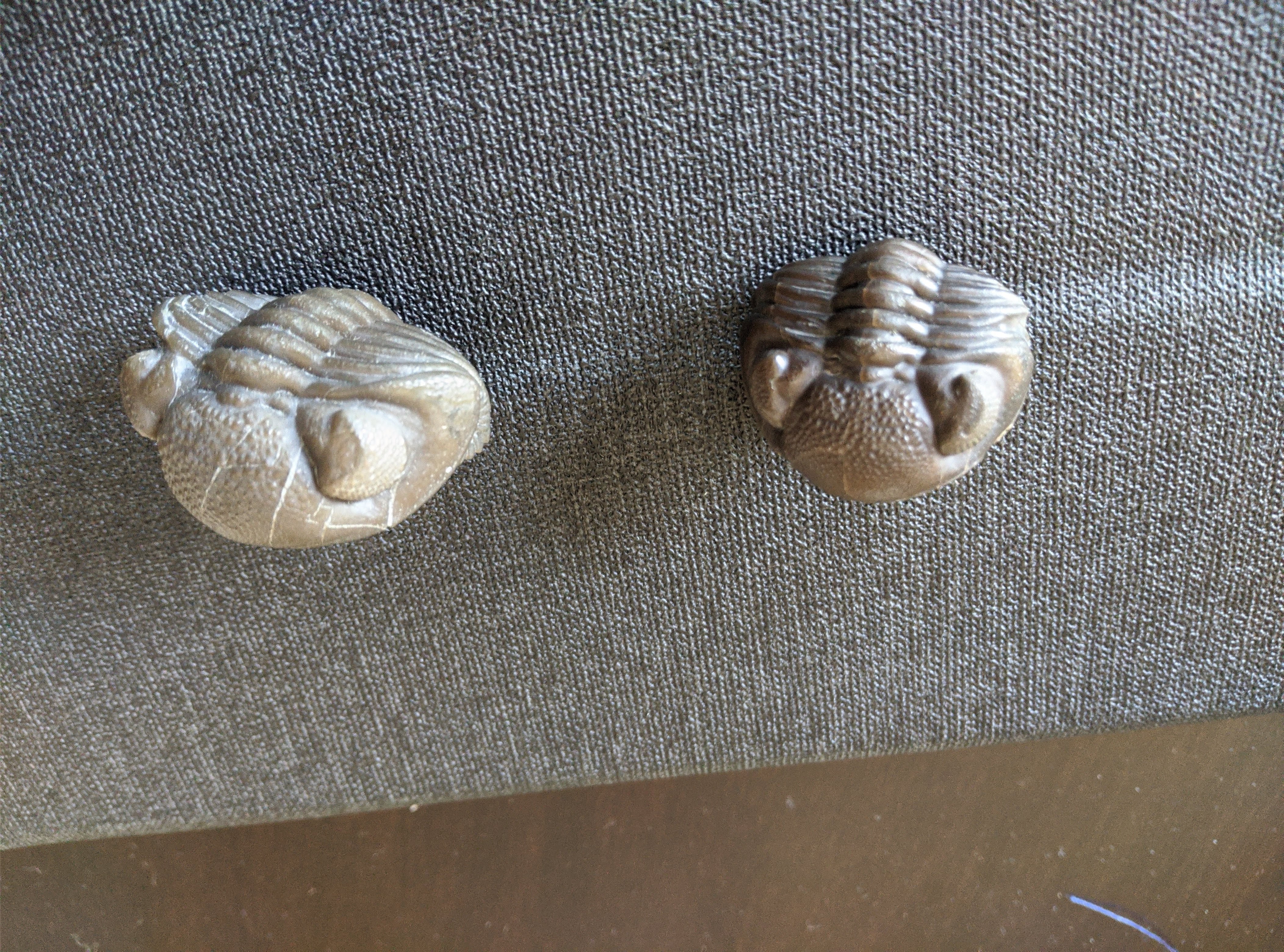
Fossil Friday #19: Phacops from Paulding, OH
This is the “Fossil Friday” post #19. Expect this to be a somewhat regular feature of the website. We will post any fossil pictures you send in to esconi.info@gmail.com. Please include a short description or story. Check the #FossilFriday Twitter hash tag for contributions from around the world! There is a fossil park in Paulding,…
-
Throwback Thursday #20: Rediscovering a Dinosaur Named Elmer
This is Throwback Thursday #20. In these, we look back into the past at ESCONI specifically and Earth Science in general. If you have any contributions, (science, pictures, stories, etc …), please send them to esconi.info@gmail.com. Thanks! The Field Museum has a blog post about a dinosaur named for Elmer Riggs. Elmer the man, was…
-

ESCONI/KGMS Field Trip to Cheney Limestone, Bellevue, MI – Saturday, September 12th, 2020
There will be a field trip to the Cheney Limestone quarry near Bellevue, MI on September 12, 2020, from 10 AM to 3 PM (Eastern). This is a joint trip between ESCONI and the Kalamazoo Geological and Mineral Society (KGMS). There are 20 spots for ESCONI members. The rock formation at this quarry is the…
-

Trilobite Tuesday #18: Early trilobites had stomachs
Phys.org has a story about some interesting details of trilobite digestion. A paper, published in 2017 in the journal PLOS ONE, revealed that trilobites had a stomach structure about 20 million years earlier than what had been known. The exceptionally preserved specimens of Palaeolenus lantenoisi used in the study lived about 514 million years ago during the Cambrian. They are…
-
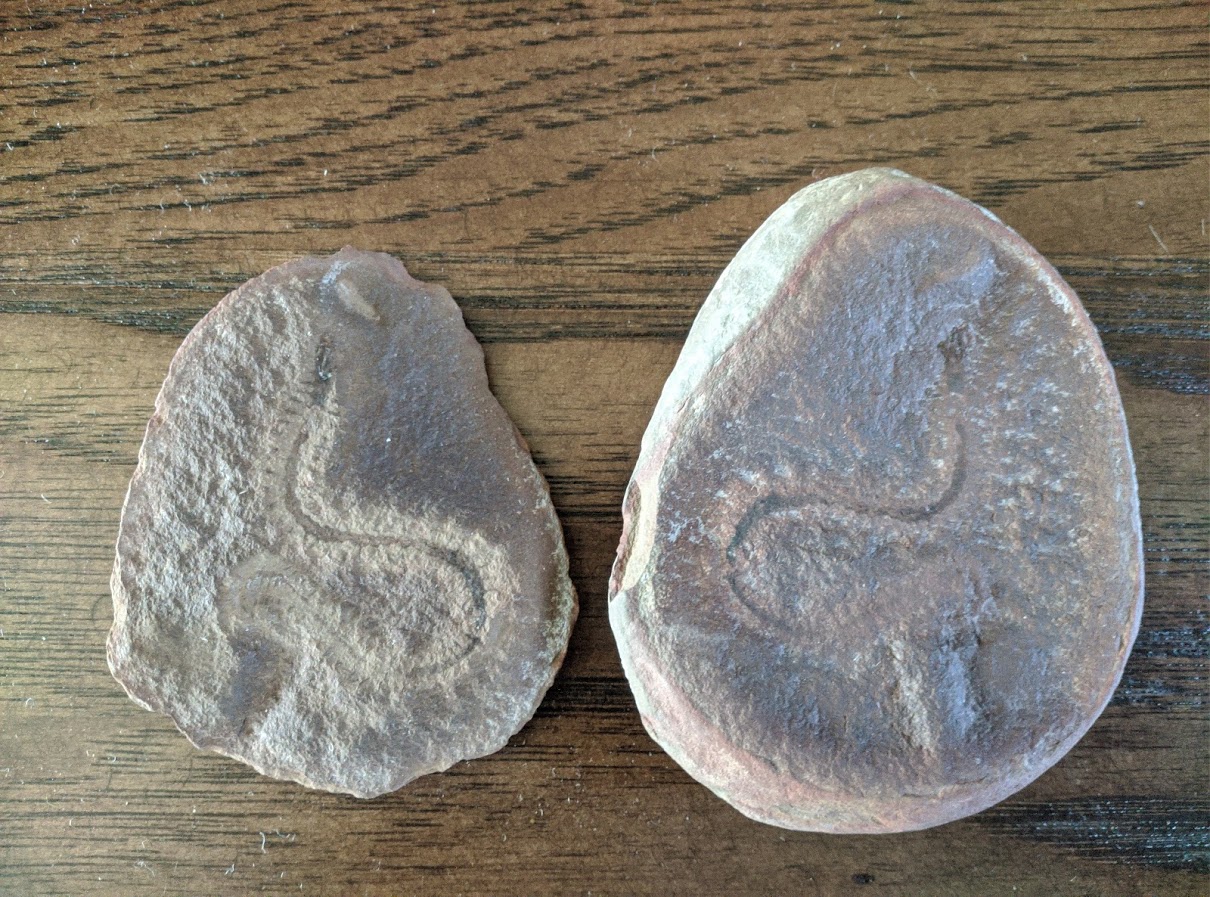
Mazon Monday #20: Fossil Preservation
This is Mazon Monday post #20. What’s your favorite Mazon Creek fossil? Tell us at email:esconi.info@gmail.com. Back in 2017, Palaeocast posted a lecture called “Is a ‘one size fits all’ taphonomic model appropriate for the Mazon Creek” by Dr. Thomas Clements, of the University of Birmingham in the UK. You may remember Dr. Clements… he…
-
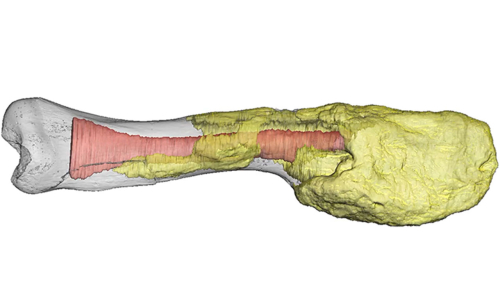
Doctors diagnose advanced cancer—in a dinosaur
Science Magazine has an article out of the Royal Ontario Museum about a malignant dinosaur bone. The dinosaur, Centrosaurus, lived about 76 million years ago in what is now Dinosaur Park in southern Alberta, Canada. It suffered from osteosarcoma of the fibula, which is a lower leg bone. In humans, osteosarcoma primarily attacks teens and…
-
PBS Eons: The Dinosaur Who Was Buried at Sea
There’s a new episode of PBS Eons. This one is about an amazing specimen of Nodosaur discovered in Canada in 2011. It was found in a siderite concretion which formed in the ocean. Paleontologists have been studying nodosaurs since the 1830s, but nobody had ever found a specimen like Borealopelta before. The key to…
-
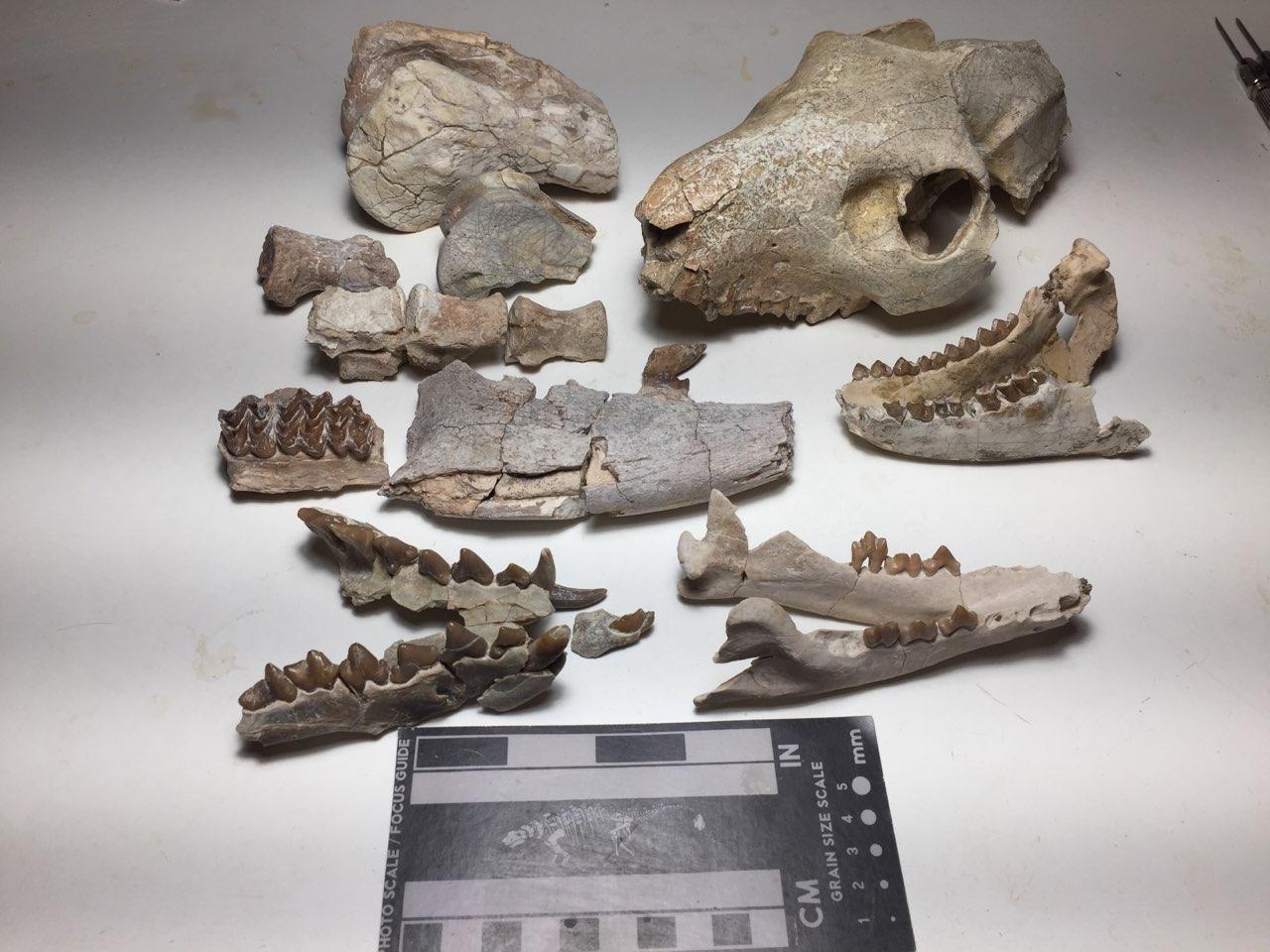
Fossil Friday #18: Oligocene Mammals
This is the “Fossil Friday” post #18. Expect this to be a somewhat regular feature of the website. We will post any fossil pictures you send in to esconi.info@gmail.com. Please include a short description or story. Check the #FossilFriday Twitter hash tag for contributions from around the world! These fossil pictures here were contributed by…
-
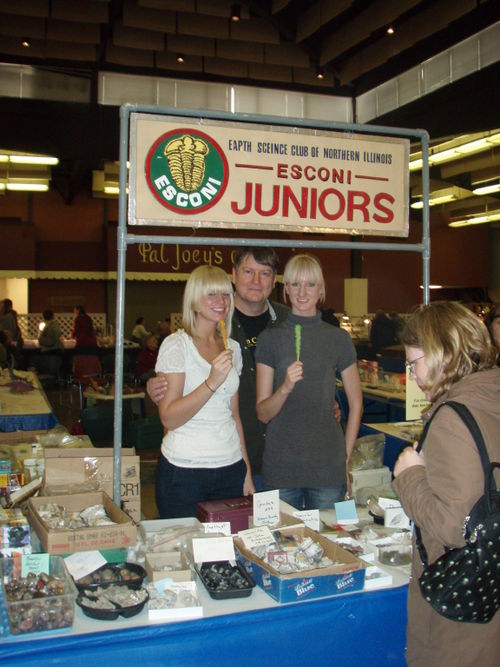
Throwback Thursday #19: ESCONI Show 2009
This is Throwback Thursday #19. In these, we look back into the past at ESCONI specifically and Earth Science in general. If you have any contributions, (science, pictures, stories, etc …), please send them to esconi.info@gmail.com. Thanks! Here are some photos from the 2009 ESCONI Gem, Mineral, and Fossil Show. Wow, there’s a whole bunch…
-
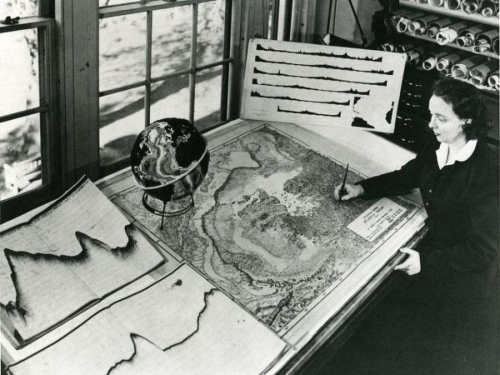
How Marie Tharp Changed Geology Forever
Forbes has a story about Marie Tharp and her contributions to geology. During the International Geophysical Year 1857, Marie Tharp noticed a series of valleys and ridges in the middle Atlantic Ocean. These “lines” are essentially the mark of the sea floor spreading at the tectonic plate boundary, although at the time, the concept of…
-
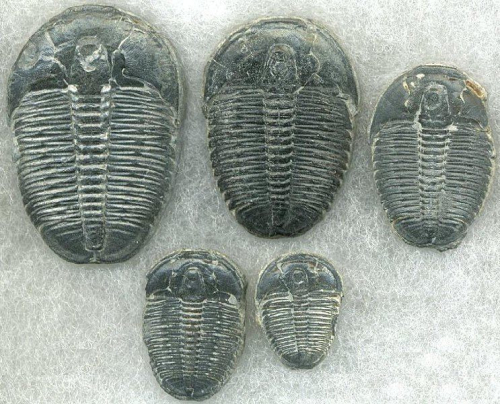
Trilobite Tuesday #17: The Cambrian Creatures That Grew Up Over the Course of 28 Bodies
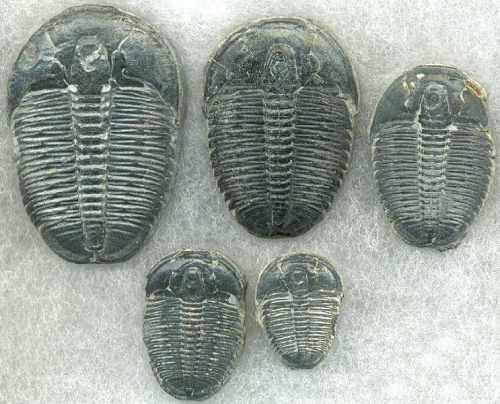
Atlas Obscura has a story about Elrathia kingii. E. kingii is a very common trilobite found in the Cambrian rocks of Utah. This article is a great summary on how they lived and most importantly… how they grew. WITH ANY LUCK, HUMANS CHANGE a lot over the course of our time on Earth. As we grow…
-
Trilobite Tuesday #17: The Cambrian Creatures That Grew Up Over the Course of 28 Bodies
Atlas Obscura has a story about Elrathia kingii. E. kingii is a very common trilobite found in the Cambrian rocks of Utah. This article is a great summary on how they lived and most importantly… how they grew. WITH ANY LUCK, HUMANS CHANGE a lot over the course of our time on Earth. As we grow…
-
Mazon Monday #19: Bandringa rayi
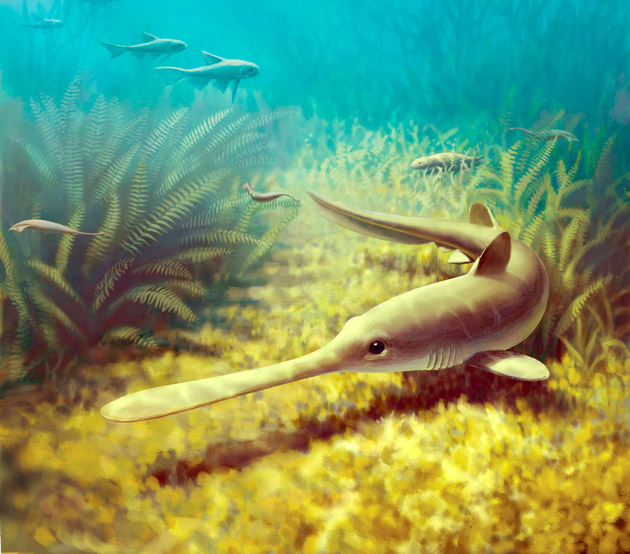
This is Mazon Monday post #19. What’s your favorite Mazon Creek fossil? Tell us at email:esconi.info@gmail.com. Would you believe that Illinois has a shark nursery? OK, it is about 307 million years old and the evidence resides in Mazon Creek fossil concretions. The first species, Bandringa rayi, was described in a paper published by Rainer…
